
Private clubs cost thousands to get in — and they’re booming
Private clubs cost thousands to get in — and they’re booming
Award-winning spaces redefine exclusivity in luxury
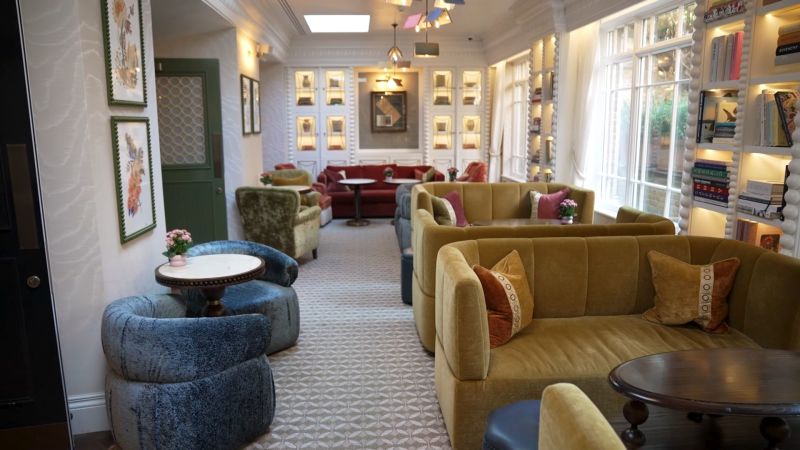
Private clubs cost thousands to get – Amidst the bustling heart of London’s Chelsea district, The Sloane Club stands as a testament to the enduring allure of private membership societies. Established in 1922 by one of Queen Victoria’s daughters, this historic establishment has witnessed pivotal moments in societal evolution. Its opulent interiors—comprising a restaurant, library, and bar—offer a glimpse into a bygone era of refined social gatherings. The club’s current focus on attracting younger members reflects a broader trend in the industry, as traditional venues seek to modernize while retaining their elite status.
“We offer a discounted rate for those under 35,” explained Neena Jivraj Stevenson, the club’s managing director. “That’s £1,700 ($2,264) annually, with a reduced initiation fee of £450 ($602).”
For individuals over 35, the financial commitment is steeper: £2,300 ($3,065) per year and a £950 ($1,271) joining fee. These figures underscore the economic barrier to entry, yet they also highlight the perceived value of such memberships. The Sloane Club is part of a global surge in members-only establishments, which promise access to curated spaces, premium amenities, and a sense of exclusivity. This trend has gained momentum since the pandemic, with cities like London and New York becoming focal points.
London’s legacy of exclusivity
London has long been the cradle of private clubs, with institutions like White’s Club, established in 1693, often cited as the oldest. While precise numbers are elusive, industry experts estimate over 130 such clubs dot the city’s landscape. These establishments are more than social hubs; they represent a cultural shift toward curated experiences. For example, The Sloane Club’s recent refurbishment aims to blend historical charm with contemporary appeal, catering to a new generation of professionals while maintaining its traditional ethos.
Industry figures like Matt Hobbs, founder and CEO of Copper Beech, a London-based advisory firm, note the staggering growth: “In the past five years, more clubs have opened than in the preceding 30.” This surge has been fueled by a combination of factors, including pent-up demand for social spaces during lockdowns and a desire for connection in an increasingly fragmented world. Hobbs emphasizes that many of these clubs now charge annual fees ranging from $3,000 to $15,000, with initiation fees as high as $200,000. Such costs reflect the exclusivity that defines these spaces, as well as the aspirational nature of membership.
New York’s post-pandemic renaissance
While London boasts a rich heritage of private clubs, New York has emerged as a dynamic hub for this trend. Although the city has fewer clubs than its British counterpart, the pace of new openings has accelerated dramatically. Hobbs highlights the emergence of venues like Maxime’s, Chez Margaux, and the British-inspired The Twenty Two as examples of this rapid expansion. The demand for such spaces has been particularly strong among urban professionals seeking high-end environments to unwind and network.
Unlike the slower growth in London, New York’s private club scene has experienced a near-phenomenal rebound. “In just two years, we’ve seen as many new clubs as in the last three decades,” Hobbs remarked. This growth is partly driven by the city’s unique blend of cultural and economic vibrancy, as well as the increasing appeal of curated experiences in a post-pandemic era. The Twenty Two, for instance, has become a symbol of this trend, blending British tradition with New York’s cosmopolitan flair to create a space that feels both timeless and cutting-edge.
Why are these clubs thriving?
The pandemic has played a significant role in reshaping the hospitality landscape. For many, the need for a sense of community and belonging has become more pronounced. “People are drawn to private clubs because they offer a sanctuary where like-minded individuals can connect,” said Jamie Caring, a London-based hospitality consultant. He observed a dramatic increase in inquiries from potential clients, with the number rising from a couple of monthly requests to around a dozen. This growth is not solely due to greater visibility of his services but reflects a broader market shift toward luxury and exclusivity.
Real estate developers have also recognized the value of integrating private clubs into their projects. “Clubs are now seen as the crown jewel of multipurpose complexes,” Caring noted. “They elevate the entire development by adding prestige and attracting a high-end demographic.” This perspective has led to a rise in mixed-use buildings where clubs coexist with residential units, offices, and dining spaces. The result is a symbiotic relationship: developers benefit from increased property value, while clubs gain access to prime locations and a captive audience.
A beacon in a struggling industry
As many bars, pubs, and nightclubs struggle to survive, private clubs have become a refuge for those with the means to indulge. Michael Kill, chief executive of the Night Time Industries Association (NTIA), pointed out that London has seen a 16% decline in nightlife venues since the pandemic. “High-end environments are thriving because their clientele has strong financial backing,” Kill said. “People working everyday jobs can no longer afford the usual night out, so they turn to spaces where they feel a sense of exclusivity and status.”
Andrew Rigie, executive director of the New York City Hospitality Alliance, echoed this sentiment, describing the city’s nightlife as a landscape of “struggling neighborhood restaurants and pubs.” He noted that while these smaller venues face challenges due to rising operational costs and price-sensitive customers, private clubs continue to attract investment. “The demand for premium experiences has never been higher,” Rigie stated. “People are willing to pay a premium for spaces that promise not just entertainment, but a lifestyle of sophistication and connection.”
The economic appeal of private clubs extends beyond their immediate patrons. For investors, these memberships represent a lucrative opportunity. High annual fees and lengthy waitlists signal sustained demand, making them a safer bet in an uncertain market. The combination of a strong membership base and limited supply ensures that these clubs remain profitable, even as the broader hospitality sector grapples with recovery. This financial stability has also allowed clubs to reinvest in their amenities, further enhancing their allure.
Yet, the success of these clubs raises questions about accessibility. While they offer a unique social experience, their steep entry costs may exclude a broader audience. This duality—of exclusivity and aspiration—defines the modern private club movement. As cities like London and New York continue to lead the charge, the industry’s future will likely depend on its ability to balance tradition with innovation, ensuring that it remains relevant to both established elites and a new wave of aspirants.
In an era where everyday luxuries are increasingly out of reach, private clubs have carved out a niche that promises something more: a curated escape from the chaos of daily life. Whether through the historic charm of The Sloane Club or the sleek modernity of The Twenty Two, these spaces reflect a societal desire for belonging, status, and a touch of old-world elegance in a rapidly evolving world.
