
Lululemon’s founder promises not to trash the company—for 18 months
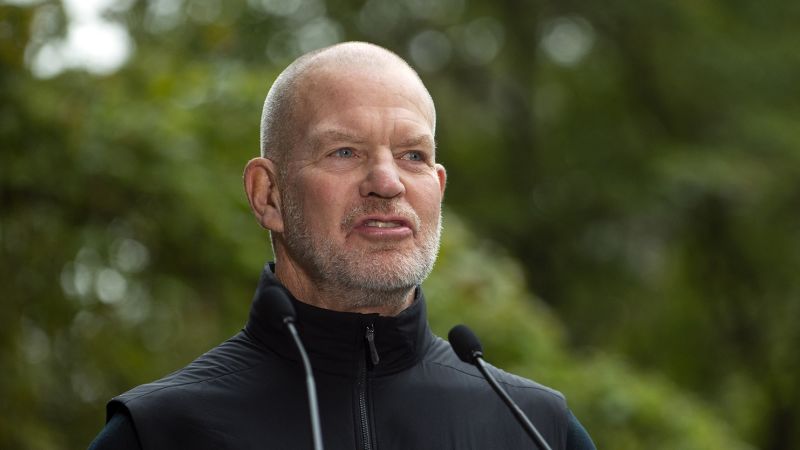
Lululemon’s Founder Agrees to 18-Month Silence on the Brand
Lululemon s founder promises not to trash – After a lengthy dispute that dominated headlines for months, Lululemon has reached a resolution with its co-founder and former CEO Chip Wilson. The agreement, announced on Wednesday, includes a key provision that restricts Wilson from publicly criticizing the company for the next 18 months. This marks the end of a contentious chapter in the brand’s history, as the once-thriving athleisure giant grapples with declining stock performance and shifting market dynamics.
A Settlement That Sets the Stage for Renewal
The settlement comes as Lululemon seeks to refocus its strategic direction under new leadership. The company, which had been a symbol of the fitness apparel revolution since its founding in 1998, is now navigating a period of turbulence. Wilson, who had been a vocal critic of the brand’s current trajectory, had initiated a five-month proxy fight to challenge the board’s decision-making. His efforts culminated in a cooperation agreement that not only secures his financial stake but also paves the way for smoother governance moving forward.
Wilson, who previously held a significant position as the company’s second-largest shareholder, is now set to see his proposed board members added to Lululemon’s leadership structure. Two of his nominated candidates will join the board next month, while a third director with expertise in apparel and brand development will be appointed by October. These changes, Wilson claimed, represent progress toward reviving the company’s product-centric vision and maximizing shareholder value. “The incoming additions reflect meaningful progress toward restoring Lululemon’s original mission and unlocking tremendous value for all stakeholders,” he stated in a statement released alongside the agreement.
Wilson’s Criticisms and the Struggle for Control
For years, Wilson has expressed frustration with the company he co-founded. In public forums, he has accused Lululemon of losing its core identity, arguing that the brand has become too commercialized and disconnected from its grassroots roots. “Lululemon has strayed from the cool factor that made it unique,” he remarked, highlighting concerns over its diversity initiatives and evolving product lines. His critiques gained traction among some investors, prompting a legal battle that tested the company’s resilience.
Wilson’s feud with the board reached a critical point when he launched a proxy fight, challenging the leadership that had guided the company through its meteoric rise. He believed that the current board lacked the visionary creativity needed to sustain growth, particularly in a competitive market where brands like Nike and Athleta have carved out strong positions. “New leaders are essential to redefine Lululemon and begin this company’s next chapter of success,” Wilson emphasized, framing the dispute as a necessary step to ensure long-term viability.
The settlement aims to resolve these tensions while allowing the company to prioritize its operational goals. With the board now incorporating Wilson’s preferred candidates, the hope is that this will foster a more collaborative environment. The new board members, including an ex-ESPN marketing executive and the former head of rival athletic wear brand On, are expected to bring fresh perspectives to the table. However, their impact will depend on how well they align with the company’s evolving strategies and investor expectations.
A New Era Under Heidi O’Neill
The agreement clears the path for Heidi O’Neill, the incoming CEO, to assume her role in September. O’Neill, a seasoned executive with a background at Nike, brings a wealth of experience in managing brand performance and navigating market challenges. Her appointment signals a shift toward restructuring the company’s operations, which have been under pressure from a variety of factors.
Since the start of the year, Lululemon’s stock has plummeted by over 30%, reflecting investors’ concerns about the brand’s ability to adapt. The decline has been exacerbated by rising tariffs, a consumer shift away from discretionary spending, and the intensifying competition in the athleisure sector. “This agreement allows us to focus on strengthening our performance and rebuilding trust with customers,” said Marti Morfitt, the company’s executive chair, in a statement. Her comments underscore the urgency of stabilizing Lululemon’s position in a rapidly changing industry.
O’Neill faces a daunting task as she leads the company through its transformation. Her first challenge will be addressing the internal discord that has simmered for months, while also tackling external pressures. The inclusion of Wilson’s board picks may help balance the interests of both the founder and the current management, but it also introduces new dynamics that could influence decision-making. “We’re committed to restoring Lululemon’s competitive edge and ensuring its relevance in the modern market,” Morfitt added, emphasizing the company’s determination to recover.
The Road Ahead: Balancing Legacy and Innovation
As the non-disparagement clause takes effect, Wilson’s public statements will shift from criticism to advocacy. While he remains critical of certain aspects of the brand’s current direction, the settlement ensures that his voice will be heard in a more constructive manner for the next 18 months. This period of silence may allow Lululemon to reposition itself without the constant scrutiny from its co-founder.
However, the resolution is not a guarantee of stability. The brand’s future will depend on its ability to execute on its new strategies while maintaining its identity. Lululemon has always prided itself on its mission-driven approach, but recent years have seen it face challenges in keeping pace with industry trends. The addition of a director with apparel expertise could signal a renewed emphasis on product innovation, which is crucial in a market where consumer preferences are constantly evolving.
Wilson’s influence, though diminished by the agreement, still holds weight. His insights into the brand’s early days may provide valuable lessons as Lululemon seeks to redefine itself. Yet, the company must also look forward, embracing the perspectives of its new board members and the incoming CEO. “This is a pivotal moment for Lululemon,” Morfitt noted, “as we work to align our vision with the demands of today’s market.”
Market Reactions and the Path to Recovery
The stock market’s response to the settlement has been mixed. While the agreement removes a potential obstacle to leadership changes, it remains to be seen whether investors will view the move as a sign of optimism or as a concession to Wilson’s demands. Analysts have pointed out that Lululemon’s challenges are multifaceted, requiring not just strategic adjustments but also a cultural shift within the organization.
Wilson’s critics argue that the non-disparagement clause may limit his ability to voice concerns about the company’s direction. However, supporters of the settlement believe it offers a pragmatic solution, allowing both parties to move past their disagreements and concentrate on growth. “The agreement is a win for the company, as it ensures a stable transition and reduces uncertainty,” said one financial analyst in a statement. The board’s focus on product-first strategies, as Wilson described them, may be the key to regaining consumer confidence.
With the settlement finalized, the spotlight now turns to the company’s ability to implement its recovery plan. The upcoming months will be critical in determining whether Lululemon can rebound from its current struggles. As Morfitt highlighted, the agreement is a necessary step toward restoring the brand’s credibility and ensuring its long-term success. “We’re ready to move forward with a unified vision and a renewed commitment to our core values,” she said, encapsulating the company’s hope for the future.
In the end, the resolution between Wilson and Lululemon serves as a reminder of the challenges faced by even the most successful brands. While the non-disparagement clause may silence Wilson’s criticisms temporarily, the company’s true test lies in its ability to innovate and adapt. For now, the agreement offers a glimmer of hope, but the road to recovery is still long and uncertain.
“Lululemon has strayed from the cool factor that made it unique,” Wilson remarked, highlighting concerns over its diversity initiatives and evolving product lines.
“This agreement allows us to focus on strengthening our performance and rebuilding trust with customers,” said Marti Morfitt, the company’s executive chair, in a statement.
