
Big beauty brands are going all in on longevity. Here’s what I learned
Big Beauty Brands Embrace Longevity. Here’s What I Found
Big beauty brands are going all – At an influencer event hosted by Lancome in New York’s Financial District last month, I was handed a small vial and asked to swab a droplet of my skin’s proteins. Moments later, a machine analyzed the sample and projected a stark conclusion: my skin was showing signs of premature aging. The verdict, displayed in flashing red letters, suggested I had the texture of someone 28 years old, despite being 27. This was my first encounter with the company’s bold new venture into longevity skincare, a trend promising to not just conceal aging but to halt it at its roots.
The Science of Skin Preservation
Unlike traditional anti-aging products that target surface-level concerns like wrinkles and dark spots, longevity skincare aims to maintain the skin’s vitality from within. Vania Lacascade, Lancome’s global brand president, described this approach as a “proactive strategy” to combat the natural processes of aging. “It’s not about fixing what’s already broken,” she explained. “It’s about understanding the fundamental causes of aging and preventing them before they manifest.”
“Longevity is about how we age and what causes the root of aging,” Lacascade said. “It’s a shift from reactive treatments to long-term cellular maintenance.”
The concept has taken hold in the beauty world, with skincare influencers now advocating for products that promise to preserve youth rather than simply restore it. This rebranding has led to a surge in interest, as consumers are encouraged to think of their skin not as a temporary asset but as a lifelong investment. However, the term itself has sparked debate among experts, who argue that the science behind it may not yet be fully substantiated.
From Lab to Lab: The Technology Behind the Claims
Lancome’s event showcased the latest in longevity skincare technology, including its Cell BioPrint machine, which was developed in collaboration with a South Korean startup, NanoEnTek. The device, which resembled a sleek white cube, seemed to promise a glimpse into the future of beauty science. During the session, I was shown how it could analyze my skin’s biomarkers and provide a diagnostic profile, highlighting both strengths and weaknesses in my skin’s health.
While the results were visually striking, the machine’s inner workings remained a mystery. Lancome described it as a tool that measures the body’s ability to renew mitochondria—the powerhouses of cells—through a supplement called Mitopure. This product, central to the Absolute Longevity MD line, is marketed as a way to boost mitochondrial function, which in turn supports healthier, more resilient skin. The company’s focus on cellular renewal reflects a broader industry shift toward products that claim to delay aging at the genetic or biological level.
The Buzzword Effect: Trends and Criticism
Despite the scientific-sounding claims, critics question whether longevity is more marketing than medicine. Dr. Macrene Alexiades, a dermatologist who has previously worked with Lancome, told CNN that the term is often used to repackage familiar anti-aging ideas under a new label. “Aging is just the process of cells and tissues changing over time,” she noted. “The science behind it hasn’t changed, but the language has.”
“Longevity is a rebrand of anti-aging,” Alexiades said. “It’s a way to make the same products feel more advanced, even if the underlying principles are the same.”
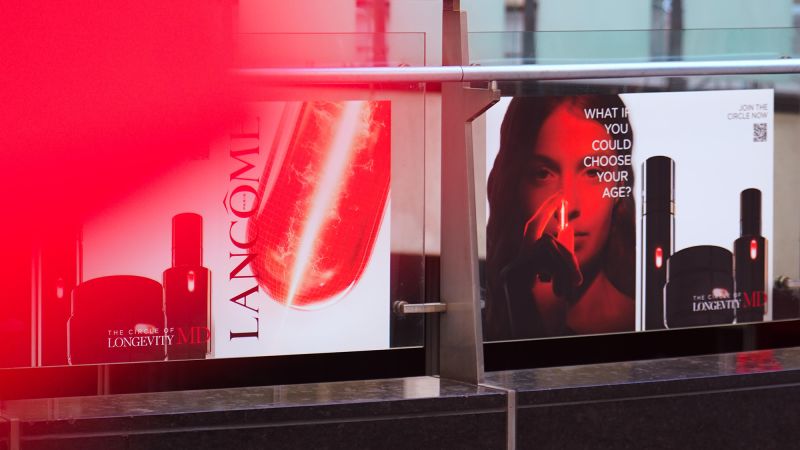
The shift has also influenced consumer behavior, with young buyers increasingly drawn to the idea of preventing aging rather than addressing it after it occurs. At the event, attendees were given personalized skincare recommendations based on their diagnostic results, which included assessments of skin barrier strength, elasticity, and texture. While the emphasis on prevention is compelling, some remain skeptical about the effectiveness of these high-tech solutions. “What if you could choose your age?” the event’s marketing slogan asked. For many, this question captures the allure of longevity skincare, but it also raises questions about its real-world impact.
Industry Shifts and the Future of Beauty
Lancome is not alone in its pursuit of longevity. Beauty conglomerates like L’Oreal and Shiseido are also adapting their strategies to align with this trend, recognizing its potential to reshape the market. During its April earnings call, L’Oreal highlighted longevity as “undoubtedly the strongest of all trends,” signaling a major strategic pivot. This movement is driven by a growing demand for products that promise long-term benefits, such as delaying visible signs of aging and maintaining skin health throughout a person’s life.
Yet, the focus on prevention has led to a broader cultural shift. Influencers now promote not just skincare routines but entire lifestyles centered around aging gracefully. One video from a Seoul-based influencer featured a caption that read, “Never said 32 is old nor aging is a bad thing!” This sentiment reflects a new narrative in beauty, one that frames aging as a natural process to be embraced rather than a flaw to be corrected.
Historical Context and Modern Rebranding
The pursuit of eternal youth is nothing new. For centuries, ancient oils and perfumed creams have been used to delay signs of aging, from the rosewater elixirs of the Egyptians to the face masks of the Japanese. Now, these traditional methods have evolved into modern formulations that claim to operate at the cellular level. Brands like Lancome argue that this evolution is a necessary step forward, blending scientific innovation with the timeless goal of preserving beauty.
However, the rebranding of anti-aging as longevity has also sparked concerns about the spread of unverified claims. As the market expands, so does the potential for disinformation, with some products promising miraculous results without clear evidence. While Lancome’s Absolute Longevity MD line includes a range of items—from serums to masks—its success will depend on whether consumers can distinguish between genuine scientific advancements and marketing hype.
What the Future Holds
As the beauty industry continues to embrace longevity, the line between science and marketing may blur further. The technology showcased at Lancome’s event, like the Cell BioPrint machine, represents a glimpse into how brands are using innovation to reframe aging. Yet, for longevity to be more than a buzzword, it must deliver measurable outcomes that align with the latest research. For now, the promise of choosing your age remains a tantalizing prospect, but whether it’s a genuine breakthrough or just a clever rebranding of familiar concepts will depend on time and evidence.
Ultimately, the concept of longevity in skincare reflects a broader cultural conversation about time, aging, and the desire to control it. While the science behind the products may still be in its infancy, the industry’s investment in this idea suggests it’s here to stay. As consumers become more informed and discerning, the challenge for brands will be to prove that longevity isn’t just a catchy term but a meaningful approach to beauty that truly extends the years of youthful skin.
