
Open vs. closed: The debate shaping the future of AI
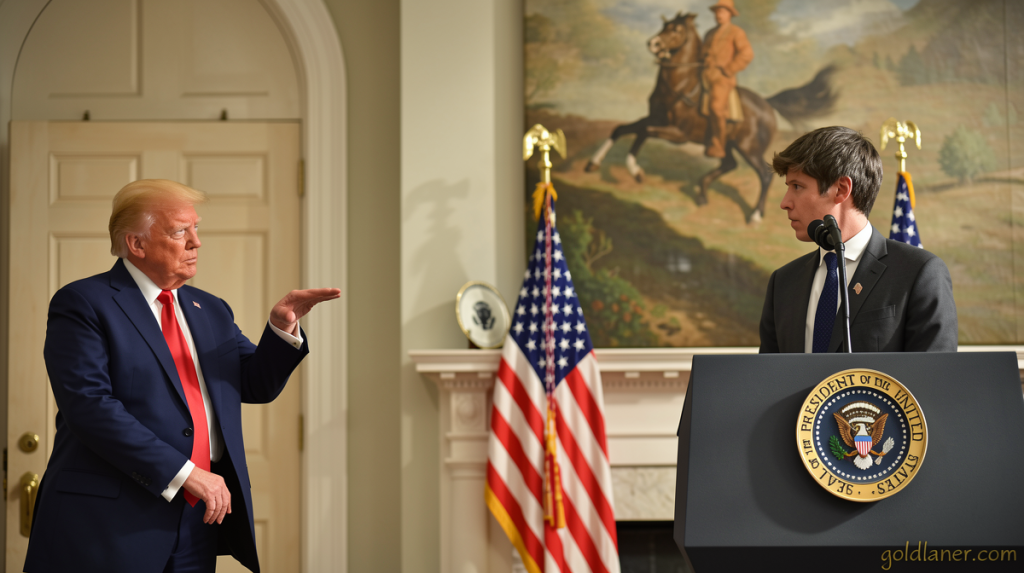
White House Framework Prioritizes Closed AI Models in New Regulatory Approach
Goldlaner.com – The Biden administration has taken a significant step in regulating artificial intelligence by introducing a new framework that focuses primarily on closed AI systems. This development marks a pivotal moment in how the United States approaches oversight of rapidly evolving AI technologies, with implications that extend far beyond Silicon Valley.
Under the newly announced guidelines, the most powerful closed models—such as Anthropic’s Claude and OpenAI’s ChatGPT—will undergo voluntary pre-release review. Open-source alternatives, meanwhile, will be excluded from this process at least initially. This distinction reveals a fundamental tension within the technology sector regarding which AI architectures represent the safest path forward.
Understanding the Open-Closed Divide
The distinction between open and closed AI models extends beyond simple terminology. Closed systems, which dominate the current landscape, keep their underlying “weights”—the billions of parameters that govern how these systems process information—proprietary. Users interact with these models through interfaces but cannot install them locally or modify their core functionality.
Open-weight models operate on a fundamentally different principle. Anyone can download these systems, fine-tune them for particular applications, and build commercial products without licensing fees to the original creators. While American firms contribute to this space, Chinese companies currently lead in popularity and affordability.
“It’s their own solution,” said Pierre Stock, Mistral’s vice president of science, explaining how organizations leverage open models for customized cybersecurity defenses tailored to specific operational needs.
The architectural difference can be understood through a simple analogy: open-weight models function as blueprints that anyone can modify, while closed models represent finished products with limited customization potential.
Competitive Dynamics and Global Implications
The geographic distribution of AI leadership has created an interesting competitive landscape. The United States maintains dominance in closed models through companies like Anthropic, OpenAI, and Google. China, however, has surged ahead in the open-model category through organizations such as Moonshot and DeepSeek.
This division carries substantial geopolitical weight. An AI ecosystem built on open infrastructure could accelerate Chinese model development, potentially shifting the balance of technological power. The affordability and portability of Chinese open models—capable of running on companies’ own devices and servers—has driven international adoption.
The Trump administration has identified US AI supremacy as a national security priority. Officials have expressed particular concern that Chinese laboratories employ a technique called “distillation,” essentially training their more economical open models using data derived from expensive American closed systems. This practice could enable China to close the capability gap while maintaining cost advantages.
Industry Perspectives and Future Trajectories
Market research indicates strong momentum toward open-source adoption. A 2025 survey conducted by McKinsey revealed that 76 percent of respondents anticipated their organizations would increase open-source AI technology usage over the coming years.
Sectors operating within highly regulated environments show particular enthusiasm for open models. Financial institutions, for instance, value the ability to construct custom security architectures rather than relying on standardized solutions. The flexibility of open systems allows organizations to address unique compliance requirements while maintaining operational control.
AI researchers generally estimate that open models lag only months behind their closed counterparts in raw capability. This gap continues to narrow as the technology matures. Organizations integrating AI into core operations increasingly recognize that hybrid approaches—combining both model types—often deliver optimal results.
The White House has signaled its intention to support both open and closed ecosystems, though the current framework’s emphasis on closed models suggests a preference for centralized control and monitoring. The administration maintains that this approach allows for more effective safety testing and misuse prevention while resources concentrate on improving centrally managed systems.
Looking ahead, the regulatory landscape could evolve significantly. The administration possesses the authority to implement restrictions on Chinese AI models through executive action if concerns about technological dependency or security vulnerabilities intensify. Such measures would represent one of the most direct interventions in the global AI marketplace to date.
As artificial intelligence continues transforming industries worldwide, the open-versus-closed debate will likely shape not only technological development but also international relations, economic competitiveness, and the fundamental architecture of how society interacts with machine intelligence.
Related Reading
Frequently Asked Questions
What is Open vs closed?
Open vs closed is the main topic of this guide. The article explains the context, practical details, and next steps readers should understand.
Why does Open vs closed matter?
Open vs closed matters because readers are looking for a useful answer, not just a short summary. Good content should match search intent and help them decide what to do next.
