
How to explain the complex emotional backlash that started soccer’s global war
How to Explain the Complex Soccer Backlash Against FIFA’s World Cup Plans
Goldlaner.com – How to explain the complex emotional reaction sweeping through football? “This is our game, not their game.” Those words from Jürgen Klopp captured something profound about soccer’s current moment. The German national team’s new manager articulated what millions of supporters worldwide are feeling as they watch their beloved sport undergo what feels like an existential transformation. His observation comes at a pivotal time when FIFA’s ambitious plan to sell shares in future World Cup tournaments has ignited passionate debate across continents. Read more about global football developments.
The Financial Revolution Sweeping Football
FIFA’s proposal to commercialize its crown jewel event was never going to pass without controversy. The organization envisions creating a separate subsidiary that would attract private equity investment while controlling both commercial and operational rights for its tournaments. According to FIFA, this restructuring will generate millions of dollars for grassroots development, particularly benefiting nations like Cape Verde that delivered magical World Cup performances despite limited resources.
However, the European football establishment has reacted with particular hostility. UEFA, the continent’s governing body, argues that FIFA lacks authority to sell assets it merely holds in trust for future generations. They characterize the arrangement as fundamentally immoral, setting the stage for potential diplomatic tensions that could reshape international football governance. Explore European perspectives on this issue.
Trump’s Shadow Over the Beautiful Game
While the financial mechanics of FIFA’s plan would generate discussion regardless, the current backlash carries an additional dimension. Reports indicate that Joshua Kushner—brother of Jared Kushner, Donald Trump’s son-in-law—has become involved in the venture. This connection has transformed what could have been a routine sports business development into something resembling a political controversy.
Trump’s relationship with world football has been anything but subtle. His intervention regarding Folarin Balogun’s suspension for a crucial World Cup match demonstrated his willingness to influence sporting outcomes. He subsequently crashed Spain’s victory celebration after their World Cup triumph. Perhaps most significantly, his friendship with FIFA president Gianni Infantino resulted in the unprecedented awarding of the inaugural FIFA Peace Prize to the American president.
Where will they stop?
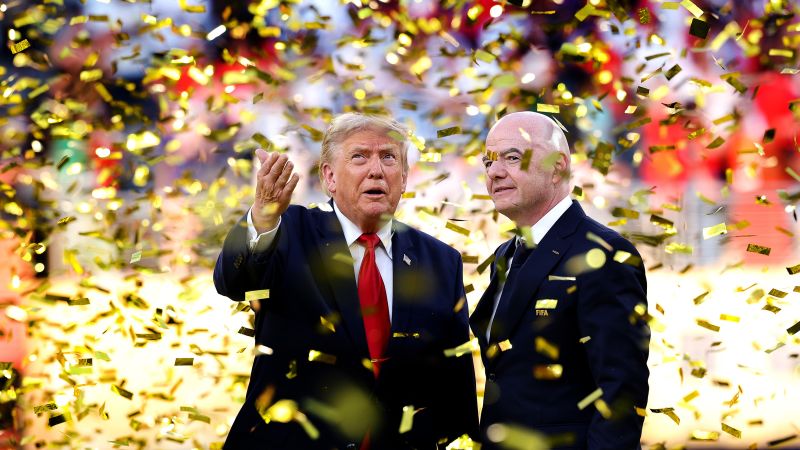
This question appeared prominently on the front page of French sports newspaper L’Equipe, accompanied by an image showing Trump and Infantino alongside the gleaming World Cup trophy and floating dollar bills.
European Resistance Takes Shape
The opposition to FIFA’s plans extends beyond mere financial concerns. European nations have threatened to boycott future World Cup tournaments, a move that would significantly impact both the women’s tournament scheduled for next year and potentially the men’s competition. Such a boycott could exclude powerhouse nations including Spain, Italy, France, Germany, and England from the global showcase.
Opponents worry that new investors will acquire influence over football’s direction. Their concerns include making the quadrennial tournament more frequent, modifying regulations to suit commercial interests, and fundamentally altering the character of a sport that has historically operated outside traditional business frameworks.
Beyond Personalities: A Deeper Malaise
While Trump and Infantino have become convenient targets for fan frustration, the underlying issues run deeper. Klopp, who demonstrated remarkable sensitivity to Liverpool’s emotional traditions during his tenure as manager, appears to understand this dynamic. Many supporters feel that something sacred—something that belongs to them—is being extracted and commodified.
This sentiment reflects broader anxieties about globalization and wealth concentration. Football, traditionally a working-class sport, now sees enormous fortunes flowing to oligarchs and Middle Eastern rulers who purchase clubs while ordinary fans watch their game transform. The perception that FIFA wants to Americanize football adds another layer to these concerns.
Ironically, many fans who criticize Infantino’s recent declaration that the World Cup represented “the greatest human, social and cultural event that mankind has ever witnessed” show little consistency. They readily accept Middle Eastern ownership of European clubs while resisting what they perceive as American influence. The contradiction reveals that this controversy transcends simple nationalism or personal preference.
What Klopp recognizes is that football fans are experiencing a form of dispossession. The sport that once belonged to communities now operates according to forces that seem increasingly distant from everyday supporters. How to explain the complex emotions at play? It is not merely about money or politics—it is about identity, belonging, and who gets to define the soul of the beautiful game.
Frequently Asked Questions
What is FIFA’s World Cup share sale plan?
FIFA proposes creating a subsidiary to sell shares in future World Cup tournaments, attracting private equity investment while maintaining control over commercial and operational rights. The goal is to generate millions for grassroots development worldwide.
Why are European nations threatening to boycott?
European football powers argue FIFA lacks authority to sell assets held in trust. They fear new investors will alter tournament frequency, modify regulations, and change football’s traditional character to suit commercial interests.
How does Trump’s involvement factor into the controversy?
Joshua Kushner, brother of Jared Kushner (Trump’s son-in-law), is involved in the venture. Trump’s friendship with FIFA president Gianni Infantino and his previous interventions in football matters have politicized what could have been a routine business development.
What does Jürgen Klopp mean by “This is our game”?
Klopp expresses the feeling among fans that football is being commodified and taken from communities. The sport is transitioning from a working-class passion to a globalized business operated by distant forces.
Which nations could be affected by a European boycott?
A boycott could impact both the upcoming women’s World Cup and potentially the men’s tournament, excluding powerhouse nations including Spain, Italy, France, Germany, and England from the global showcase.
