
Tracking the impact of the Japan earthquake in maps and charts
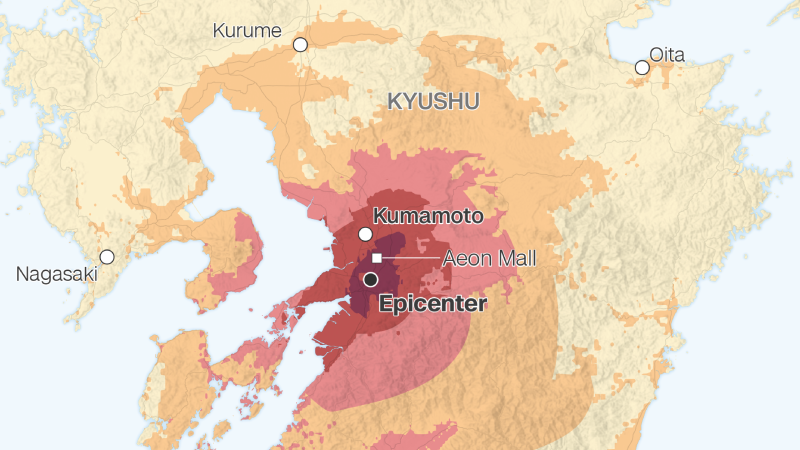
Seismic Activity Monitored: Japan’s Kumamoto Region Experiences Major Earthquake
Initial Impact and Regional Significance
Goldlaner.com – A substantial seismic event measuring 6.8 on the magnitude scale has been recorded in Japan’s southern Kumamoto prefecture, bringing renewed attention to one of the world’s most seismically active regions. The tremor, which occurred on Tuesday, has resulted in structural damage across the area, claimed multiple lives, and left dozens of individuals requiring medical attention. This incident underscores the persistent vulnerability of Japanese communities to powerful ground movements.
The earthquake was registered on Kyushu, which represents the southwesternmost of Japan’s four principal islands. Located approximately 550 miles from Tokyo, the nation’s capital, the affected zone has not forgotten its recent traumatic experience. The region continues to recover from a devastating sequence of earthquakes that struck in 2016, an event that resulted in hundreds of fatalities, injured thousands of residents, and inflicted extensive damage upon both the local economy and critical infrastructure. Among the most notable casualties of that earlier disaster was the historic Kumamoto Castle, a beloved landmark whose ancient walls suffered significant cracking and collapse.
Seismic Classification and Historical Context
According to data compiled by the United States Geological Survey, this latest tremor ranks among more than 200 earthquakes classified as “significant” that have occurred in Japan since the year 2000. When positioned within this historical framework, the estimated magnitude of the current event places it toward the upper range of recorded seismic activity for the region. Earthquakes of this classification are measured using a standardized magnitude scale that helps scientists and emergency responders communicate the potential severity of ground movements.
A magnitude reading of 6.8 is generally categorized as “strong” within this measurement system. Such readings indicate that substantial structural damage is possible, particularly in areas where buildings may not have been constructed to modern seismic standards. The classification also suggests that residents should expect continued aftershock activity in the days following the initial event.
Ongoing Seismic Monitoring
Seismologists have documented at least six additional tremors in the Kumamoto region since the primary earthquake struck. These secondary events have registered magnitudes ranging from 4.4 to 5.6, indicating that the area remains in a period of heightened seismic activity. Monitoring stations continue to track these aftershocks, providing real-time data that helps emergency management officials assess whether additional major events might occur.
CNN’s Hanako Montgomery contributed to this report, helping to compile the comprehensive coverage of this developing situation through maps and charts that illustrate the geographic scope of the damage and the distribution of seismic events across the region.
Broader Implications for Regional Preparedness
The recurrence of significant earthquakes in Kumamoto highlights the importance of continuous infrastructure investment and community preparedness in Japan. With the country situated along the Pacific Ring of Fire, residents must remain vigilant and maintain emergency supplies. The 2016 earthquakes demonstrated how quickly modern communities can be disrupted, and this latest event serves as a reminder that seismic threats remain ever-present in the region.
As recovery efforts continue, local authorities are working to assess the full extent of damage to residential buildings, commercial structures, and transportation networks. The combination of the initial 6.8 magnitude quake and subsequent aftershocks has created a complex situation that requires coordinated response from multiple agencies and organizations working to support affected residents during this challenging period.
Related Reading
Frequently Asked Questions
What is Tracking the impact of the Japan?
Tracking the impact of the Japan is the main topic of this guide. The article explains the context, practical details, and next steps readers should understand.
Why does Tracking the impact of the Japan matter?
Tracking the impact of the Japan matters because readers are looking for a useful answer, not just a short summary. Good content should match search intent and help them decide what to do next.
