
How the World Cup became the summer party America needed
A Summer of Soccer: How North America Hosted the World Cup of a Lifetime
Goldlaner.com – When the final whistle blew in the New Jersey Meadowlands, the verdict was clear: the 2026 FIFA World Cup had delivered something extraordinary. What many feared would be a catastrophic failure transformed into one of the most memorable sporting celebrations in history. The tournament, spanning from Mexico City to the northeastern United States, became a cultural phenomenon that united millions across borders and political divides.
From Dread to Delight
Leading up to the tournament, anxiety dominated the conversation. Media outlets across the nation published warnings about potential disaster. The prolonged closure of the US government had left local cities scrambling for resources to accommodate millions of arriving visitors. Political tensions within America raised questions about whether international travelers would even want to attend. Meanwhile, inflated accommodation and ticket prices threatened to leave stadiums half-empty as ordinary fans found themselves priced out of the experience.
Compounding these worries was the outbreak of conflict in Iran, which damaged the United States’ international standing. Even dedicated World Cup followers found themselves bracing for disappointment. Yet reality proved far more optimistic than predictions suggested.
A Continent United by Football
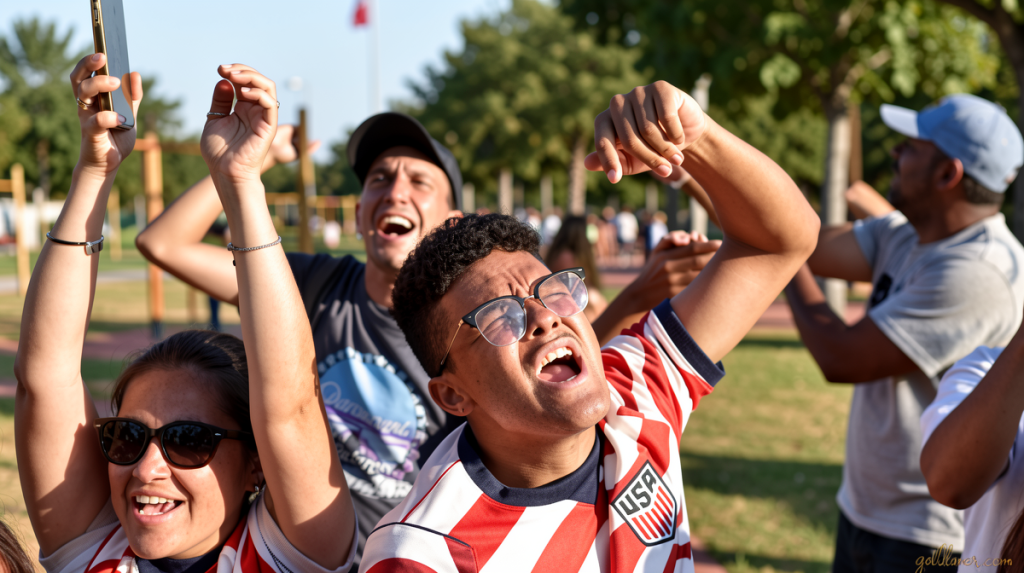
The opening ceremony in Mexico set the tone for what followed. South Korean and Mexican supporters embraced with the warmth of family reunited after years apart. As the tournament progressed northward, scenes unfolded that captured the spirit of the event. Scottish fans enjoyed Boston’s finest brews while Norwegians found creative ways to practice on any available surface. South American supporters from Brazil, Argentina, and Colombia flooded American cities, transforming neighborhoods into vibrant celebrations.
Even casual visitors discovered the charm of American culture through experiences at establishments like Buc-ee’s and Waffle House. For a brief period, Americans allowed themselves to believe their national team might finally emerge as a genuine World Cup contender following two encouraging victories in the opening matches.
Politics Takes a Back Seat
For years, Washington’s political turbulence had cast a shadow over American life. But during the tournament’s thirty-nine days, attention shifted elsewhere. Cities from Lawrence, Kansas—where Algerian supporters formed an unexpected bond—to Miami, which experienced a Scottish fan takeover, reminded citizens of their country’s inherent appeal. Seattle’s electric atmosphere and Atlanta’s bustling fanfest became must-visit destinations.
Political issues certainly did not disappear entirely. FIFA and the US government faced criticism for their handling of the Iranian team, which was forced to relocate its training facility at the eleventh hour and could only enter and exit the country on game days. President Donald Trump’s involvement in the Folarin Balogun situation briefly raised questions about tournament integrity, though Belgium’s decisive victory over the Americans quickly shifted focus back to the pitch.
Visa complications affected several nations, and one Somalian referee was initially barred from entering the country. Despite these interruptions, the soccer remained the central narrative. When Trump dominated headlines with the Balogun controversy, Lionel Messi and Argentina responded with one of the tournament’s most dramatic comebacks, overcoming a late 2-0 deficit against Egypt to claim a 3-2 victory.
A Legacy Beyond the Trophy
As Rodri raised the World Cup trophy and Spain celebrated on Sunday, the tournament’s impact extended far beyond the final match. Economists and sociologists would spend years analyzing the event’s effects on local communities, tourism, and national identity. The World Cup had proven that even in uncertain times, sport could bring people together and remind them of what makes their country special.
The magic on the pitch overshadowed any attempts from Washington to take over the tournament.
That sentiment captured the essence of an event that transformed skepticism into celebration. North America had not merely hosted a tournament; it had thrown a party that the world—and Americans themselves—had desperately needed.
