
Bronze Age ‘shaman,’ previously assumed to be a male metalworker, was actually a woman
Reimagining Bronze Age Gender: DNA Reveals Female Metalworker in Ancient British Burial
A Century of Assumptions Turned Upside Down
Bronze Age shaman previously assumed to be – Recent genetic analysis has fundamentally altered our understanding of a remarkable Bronze Age individual whose remains were once believed to belong to an esteemed male craftsman. The skeleton, now recognized as belonging to a woman, challenges entrenched notions regarding social hierarchy and gender roles within ancient British communities. This 4,000-year-old discovery, popularly termed the Upton Lovell Shaman, emerged from a barrow—a distinctive burial mound traditionally reserved for individuals of considerable standing in their society.
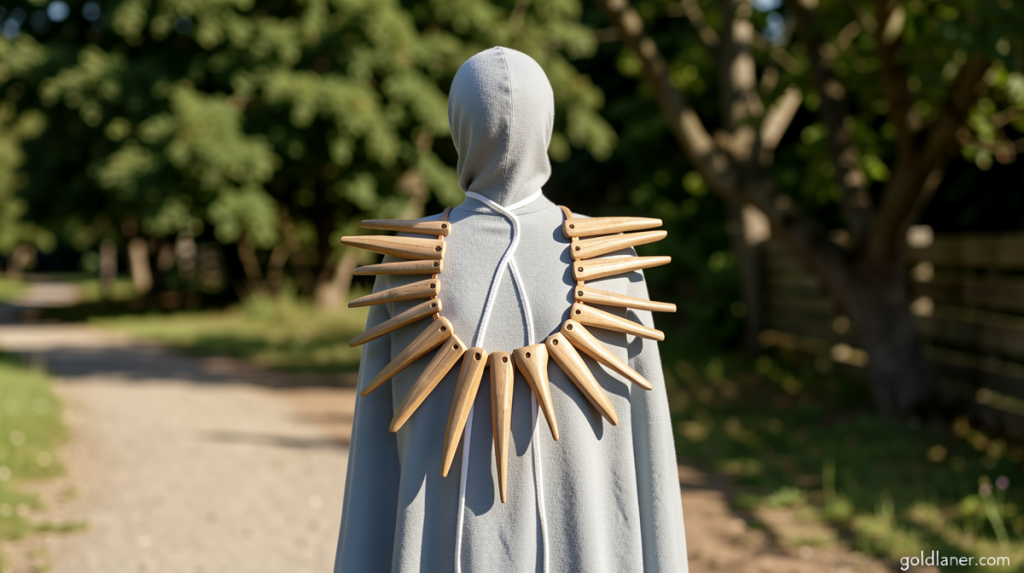
Tom Booth, a senior research scientist at London’s Francis Crick Institute, shared details about this groundbreaking finding with CNN on Thursday. The burial site in Upton Lovell, located in southern England, was initially excavated during the early 1800s. Archaeologists working at that time uncovered an impressive collection of grave goods that included bone points, a delicate gold necklace, and several axes. These axes bore distinctive gold traces along their edges, providing compelling evidence that the deceased individual practiced metalworking, likely specializing in gold and potentially working with copper and bronze as well.
The DNA Revolution in Archaeology
What made this discovery particularly significant was the methodological approach taken by Booth and his research team. Unlike earlier archaeologists who relied solely on skeletal morphology, they employed advanced DNA testing techniques. “We’re overturning sort of two centuries of thought about this skeleton here, so we’d better be careful,” Booth remarked, emphasizing the weight of this paradigm shift. To ensure accuracy, he analyzed two additional samples from the same skeleton, both of which confirmed the female designation.
“Both came back as female as well, so that essentially confirms that the skeleton was female, and this was probably a female metalworker, and specifically a gold worker, who had some kind of special status within their community in order to be not only afforded a burial underneath one of these round barrows, but also to be buried with this huge, unique diversity of grave goods as well,” Booth explained.
The original assumption that this individual was male stemmed from multiple factors. The substantial size of the bones suggested masculinity, while the presence of tools and the prestigious barrow burial reinforced this interpretation. Additionally, the individual’s height—approximately 5 feet 4 inches—placed her closer to the average Bronze Age male than to contemporary females. Complicating matters further was her age at death; having passed through menopause at around 45 years old, her skeletal characteristics had begun to resemble those typically associated with males.
Redefining Women’s Roles in Ancient Society
This revelation carries profound implications for how we understand Bronze Age social structures. Previously, archaeologists often interpreted female burials containing valuable grave goods as belonging to wives of prominent men. The Upton Lovell discovery directly contradicts this conventional wisdom.
“This subverts the idea that women or females in these societies couldn’t be powerful in their own right and special in their own right,” Booth noted, highlighting how this finding expands our comprehension of female agency in ancient civilizations.
The title “Shaman” was originally applied to this individual based on the perceived ritualistic significance of her grave goods. However, Booth proposes that metalworking itself possessed deep ritualistic importance within Bronze Age Europe. The craft was intimately connected to extensive trading networks that spanned the continent, making metalworkers central figures in both economic and spiritual dimensions of society.
“It kind of shows the importance of metalworking as this sort of intrinsic thing that’s linked to the ritual lives of people and the economic lives of people to some extent as well,” Booth observed. “This metalworker would have been very much embedded within that kind of network of trade and metalworking and exchange.”
A Broader Scientific Initiative
These findings represent just one component of a larger endeavor at the Francis Crick Institute. The institution recently launched a complimentary exhibition titled “We Go Way Back,” which opened to the public on Thursday. Pontus Skoglund, who directs the Ancient Genomics laboratory, emphasized the transformative potential of this comprehensive research program.
“As we continue to build an ancient genetic record, that is publicly available, that will provide a rich source of information for archaeologists and everyone else to build a better understanding of past societies and the people in it,” Skoglund told CNN.
The overarching project aims to genetically sequence approximately 1,000 ancient individuals, creating an unprecedented resource for understanding human history. By combining genetic data with archaeological evidence, researchers are piecing together a more nuanced picture of Bronze Age life, one that recognizes the complexity and diversity of ancient social arrangements. The Upton Lovell woman stands as a powerful testament to the fact that women in prehistoric Britain could occupy positions of considerable influence and specialization, independent of their relationships to male relatives.
