
Barack Obama hasn’t endorsed a Michigan Senate candidate. An AIPAC-linked group is spending millions on ads with him anyway
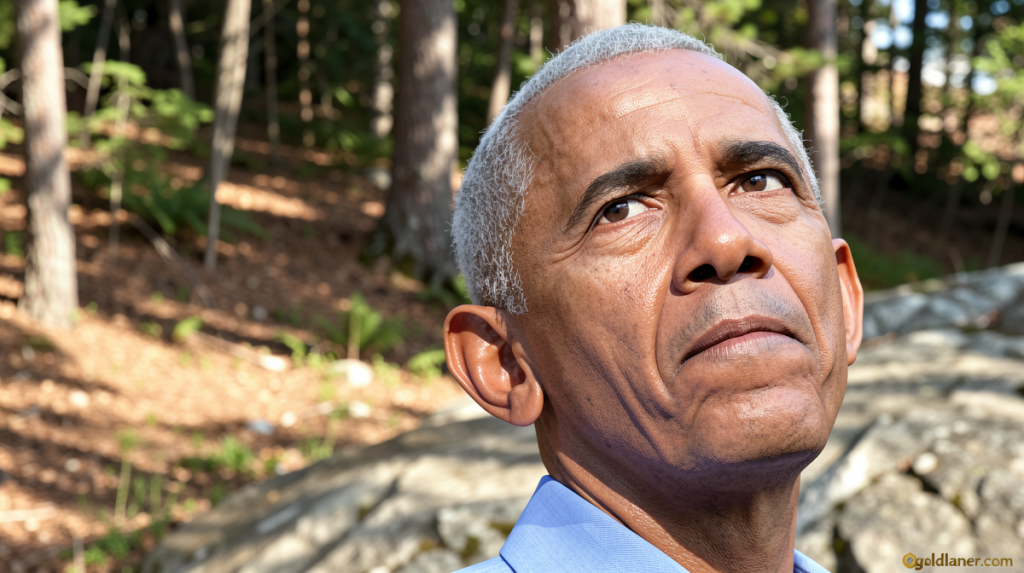
Michigan Voters See Obama in Senate Race Ads Despite No Official Endorsement
Barack Obama hasn t endorsed a Michigan – Residents of Michigan may well believe that former President Barack Obama has thrown his weight behind Rep. Haley Stevens in the heated Democratic Senate primary, even though no formal endorsement has been issued. The impression stems from a massive advertising push by Stevens’ supporters, who have invested $5 million into television spots that have been broadcast close to 4,000 times across the state. These commercials showcase Obama commending Stevens for her role as chief of staff for the US Auto Rescue Task Force throughout the 2008 economic downturn.
According to AdImpact tracking data, this particular advertisement has been aired more frequently than any other political spot in Michigan during the past twelve months. The strategic messaging aims to connect Stevens with the former president in a state where African American voters represented approximately one-quarter of the Democratic electorate in the 2022 midterm elections. Additionally, the campaign seeks to highlight Stevens’ contributions to preserving Michigan’s legendary automotive sector.
Pushback and Political Divisions
As the August 4 primary approaches, the advertising blitz has generated criticism from rivals who contend it might confuse the electorate. The contest pits the more centrist Stevens against Abdul El-Sayed, a former Detroit public health administrator aiming to capitalize on progressive successes achieved earlier in the election cycle.
We’ve seen some examples of folks saying, ‘Oh, I thought that Obama was supporting her in this race,’ because they’ve seen these ads. I think it is concerning for me because this may be the only time that folks are tuning into the race.
These remarks came from Denzel McCampbell, a Detroit City Council member who is championing El-Sayed’s candidacy. On the other side of the debate, Keith Williams, who chairs the Michigan Democratic Party Black Caucus and backs Stevens, offered a different perspective.
What are they complaining about? It’s not a lie. He did say that. So, give credit where credit is due. He’s a hot ticket.
Financial Disparities and AIPAC Influence
The financial landscape of this race reveals significant imbalances. External organizations supporting Stevens have contributed over $50 million collectively to the contest. In contrast, El-Sayed, who has declined corporate PAC contributions, has attracted fewer than $1 million in outside advertising dollars. Some of these pro-Stevens advertisements are financed by the American Israel Public Affairs Committee, adding another layer of complexity during a period when Democrats are reassessing their position on American backing for Israel.
This funding dynamic represents a broader tension between the party’s progressive movement and its traditional establishment. The outcome in Michigan carries substantial weight beyond the primary itself, as the victor will challenge former Representative Mike Rogers, the anticipated Republican nominee, in a general election that Democrats essentially need to secure to regain Senate control.
Obama’s Enduring Campaign Value
Throughout the 2026 election cycle, Obama’s political reputation has remained a powerful tool for candidates seeking to boost their profiles. Last year, external organizations invested millions in commercials highlighting the former president advocating for partisan redistricting initiatives in California and Virginia. These efforts countered Republican strategies in Texas that ignited a nationwide debate regarding gerrymandering practices. Even Republican adversaries utilized the strategy, broadcasting archived footage of Obama expressing criticism of the practice.
During the Illinois Senate primary in March, both Rep. Robin Kelly and Lieutenant Governor Juliana Stratton—who ultimately captured the Democratic nomination—utilized similar advertising tactics featuring Obama’s past commendations.
The United Democracy Project, a super PAC backed by AIPAC that has allocated nearly $30 million toward Stevens’ campaign, repurposed a 2018 rally soundbite for Michigan Democrats. The organization invested $5 million into this particular advertisement, according to AdImpact figures. In the clip, Obama states: “She was there. She was a critical part of my team that helped the American auto industry come roaring back,” while promoting Stevens’ initial congressional campaign.
Another pro-Stevens organization, which has not yet revealed its fundraising details, has launched a comparable advertisement utilizing the identical Obama soundbite. A voiceover at the conclusion declares: “If President Obama trusts her, so do I.”
David Axelrod, a seasoned Democratic strategist and CNN political analyst, noted that Obama’s widespread appeal within the party explains why candidates frequently suggest his backing despite the absence of an official endorsement. Axelrod characterized the deployment of historical campaign material as a “shrewd” approach, particularly valuable in a state where African American voters could comprise as much as a quarter of the primary electorate.
Wayne County Commissioner Jonathan Kinloch, a long-time participant in Michigan Democratic politics who appeared in one of the advertisements, further emphasized the strategic importance of connecting with Obama’s legacy in this crucial contest.
