
He died in Venezuela’s earthquakes a day after the US deported him. Now his mother is seeking justice
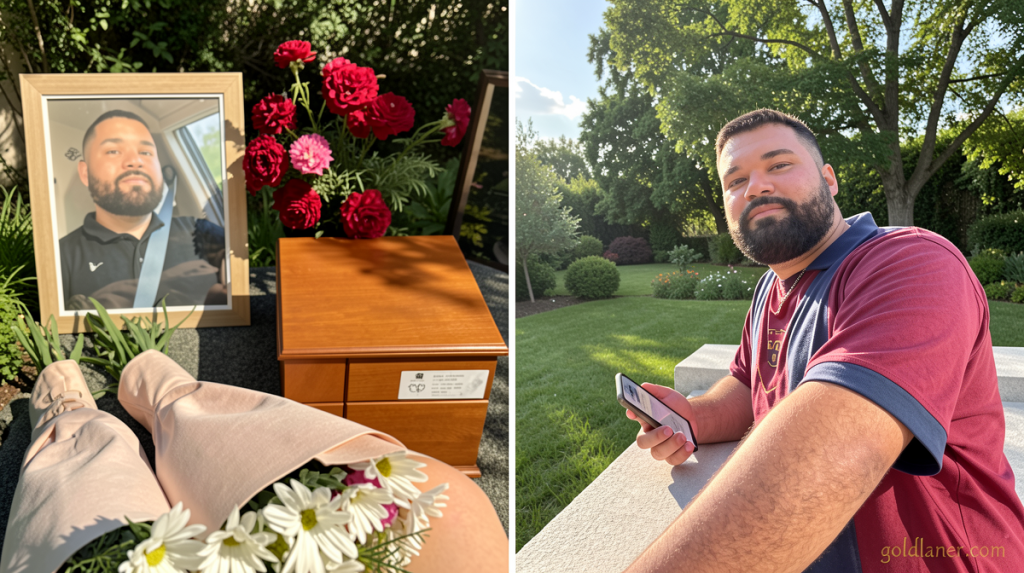
Deported Man Dies in Venezuela Earthquakes: Mother Seeks Justice
He died in Venezuela s earthquakes, leaving his mother Oswadeliz Núñez with nothing but ashes in an urn. The heartbreaking timing could not have been worse: Daniel Núñez had just arrived back in Venezuela after deportation from the United States when devastating twin earthquakes shattered the country. He died in Venezuela s earthquakes, crushed beneath the rubble of a hotel in La Guaira just hours after reassuring his mother he was safe.
Flight Home Turns Tragic
Daniel’s deportation flight departed Miami and landed at Simón Bolívar International Airport on Wednesday morning at 10:22 a.m. local time. The aircraft carried 146 passengers, including 120 men, 19 women, and seven children according to ICE Flight Monitor data. Venezuelan authorities’ Vuelta a la Patria program welcomed Flight 164 passengers with dignity, promising protocols for happy reunions with families.
From La Guaira, Daniel called his mother using a phone borrowed from a Venezuelan intelligence officer. He reported that fellow deportees had received meals and medical examinations before being housed at a Macuto hotel while paperwork was processed. He told her they were staying with SEBIN officers, confident that everything was proceeding normally.
“He told me, ‘No, Mom, we’re here with SEBIN officers,'” Núñez recalled in an interview with CNN.
Daniel planned to travel nearly seven hours to El Tigre the following day to reunite with his mother. That journey never happened. Just 40 minutes after their last conversation, violent tremors struck. The hotel collapsed, trapping dozens of people under tons of concrete and debris. He died in Venezuela s earthquakes before his mother could reach him.
Searching for Answers
Núñez immediately contacted government officials but received minimal information about the disaster. Refusing to give up, she traveled to La Guaira and assembled a search party with friends and relatives. They visited hospitals, clinics, and morgues, climbing floors and checking rooms in desperate hope.
“We slept two or three hours at a time and kept searching. We’d go into hospitals with eight, nine, 10 floors, climb every floor and check room by room,” she explained.
The grueling search lasted until Monday. Núñez became certain Daniel had perished and his body remained under the collapsed building. Officials eventually led her to a port facility transformed into an emergency morgue where countless victims had been recovered.
“When we went to retrieve my son’s body, there was complete chaos,” Núñez said. “Bodies were lying on the floor.”
She found a body matching the identification number given to her. It was Daniel, though his face was nearly unrecognizable. Severe crushing had exposed bone beneath his skin.
A Tattoo Brings Recognition
Núñez’s nephew gently cleaned Daniel’s left arm, which remained relatively undamaged. That is when they noticed something familiar.
“We saw his tattoo,” Núñez said. “When he got that tattoo, I argued with him. But now I thank God he got it, because that’s practically how I was able to recognize him.”
The tattoo had been inked on Daniel’s arm when he was 24 years old. Four years later, it became the crucial identifier. Núñez remembered their heated argument when Daniel first decided to get the tattoo, never expecting that disagreement would eventually bring her comfort.
Bureaucracy and Closure
Even grieving, Núñez faced administrative delays. Officials told her cremation and burial would be free, but families had to wait 10 to 30 days. Unable to endure the extended timeline, she paid $680 to a private crematorium to expedite the process.
“We couldn’t afford to stay there any longer, spending more money and time. We’re not from La Guaira,” she said.
After receiving Daniel’s ashes, Núñez began her long journey home. She arrived on Wednesday, though not as she had envisioned.
“We returned home on Wednesday — not the way I wanted, with my son alive — but at least I have his ashes.”
He died in Venezuela s earthquakes, but his mother now seeks justice for a tragedy that claimed her son on the very day he returned home.
