
This Italian village will fine tourists with bare chests or in swimwear
Varenna’s New Dress Code Targets Tourist Behavior on Lake Como
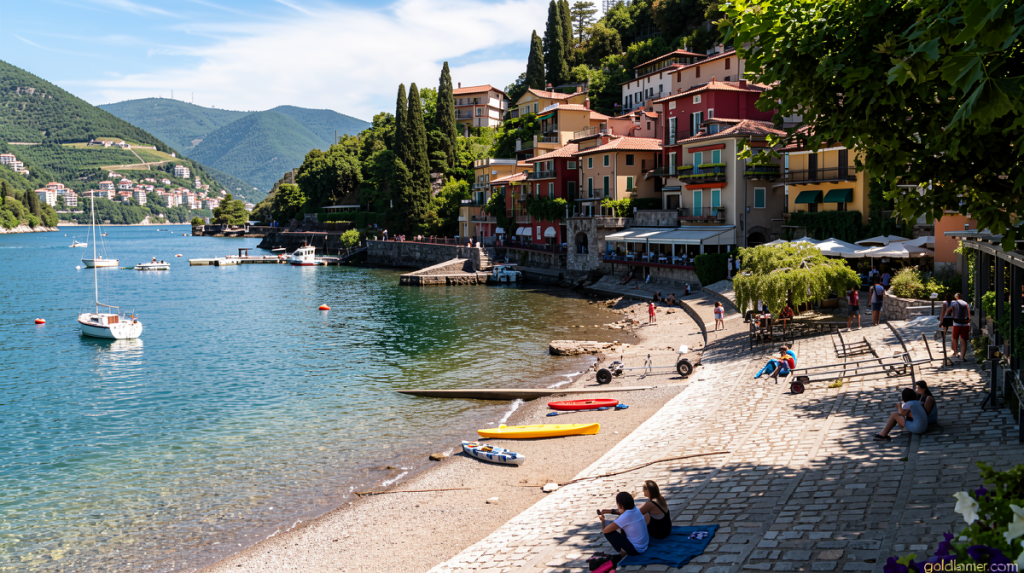
This Italian village will fine tourists – The picturesque fishing community of Varenna has implemented fresh regulations designed to manage the growing influx of visitors to this northern Italian destination. Located along the eastern shoreline of the renowned Lake Como, the village now penalizes travelers caught strolling through its streets without proper attire. Under the recently enacted policy, individuals discovered bare-chested or wearing swimwear outside designated recreational zones may receive penalties reaching 200 euros, equivalent to approximately 228 dollars.
Where Visitors May Wear Swimwear
According to the updated guidelines, the only locations where tourists can comfortably wear bathing suits or expose their chests are the village’s beaches, piers, and boat docking areas. This restriction represents part of a broader effort to mitigate the effects of mass tourism throughout Italy. The measures were introduced last month and extend beyond clothing requirements to include limitations on group sizes and noise levels.
Groups exceeding 25 members now face potential fines of up to 400 euros, or roughly 456 dollars. Additionally, tour guides are prohibited from utilizing loudspeakers or similar amplification equipment while leading visitors through the village. These combined regulations aim to create a more pleasant experience for both residents and travelers alike.
Local Residents Share Their Perspectives
When Italian television network TgCom24 surveyed villagers regarding the new regulations, responses revealed strong local support. One resident explained their viewpoint:
You do what you want, but when walking around, entering a shop, a restaurant, a church, or a square, you must dress decently.
Another local echoed similar sentiments, noting that wandering through the town half-naked simply does not align with proper etiquette. A third interviewee characterized the transformation in tourism as shifting from quality experiences to quantity-driven visits.
They walk in, they don’t say hello, they touch everything. They leave. They don’t say thank you.
These comments reflect concerns about changing visitor behaviors that many locals feel disrespect the community’s traditions and daily life.
Historical Context and Regional Significance
Varenna’s official website describes the village as one of the most sought-after destinations on Lake Como, celebrated for its rich heritage, artistic treasures, architectural beauty, and cultural offerings. Situated approximately one hour north of Milan, this region has long attracted international attention and visitors from around the world.
The area’s cinematic appeal is evident through numerous film productions that have chosen to shoot on location here. Notable movies such as “Casino Royale” and “Ocean’s Twelve” featured the stunning landscapes and charming streets of the Lake Como region. The destination continues to draw wealthy and famous individuals, with actor George Clooney maintaining a vacation residence on the lake’s shores.
Broader Tourism Management in Italy
The Varenna regulations represent just one component of Italy’s comprehensive approach to managing tourism growth. During the previous month, authorities in Sardinia implemented restrictions prohibiting beach umbrella usage on one of the island’s most frequented beaches, citing safety considerations. Similar measures have emerged across the country, with many coastal areas establishing time limitations to prevent overcrowding during peak seasons.
Urban centers including Venice and Rome have also introduced new taxation systems aimed at controlling visitor numbers during particularly busy periods. These coordinated efforts demonstrate Italy’s commitment to balancing economic benefits from tourism with preservation of local quality of life and cultural heritage. As international travel continues to recover and expand, communities across the nation are finding innovative ways to ensure sustainable growth while maintaining their unique character and traditions for future generations to enjoy.
