
This heat wave would be ‘virtually impossible’ if not for fossil fuel pollution, study says
This Heat Wave Would Be Virtually Impossible Without Fossil Fuels, Study Finds
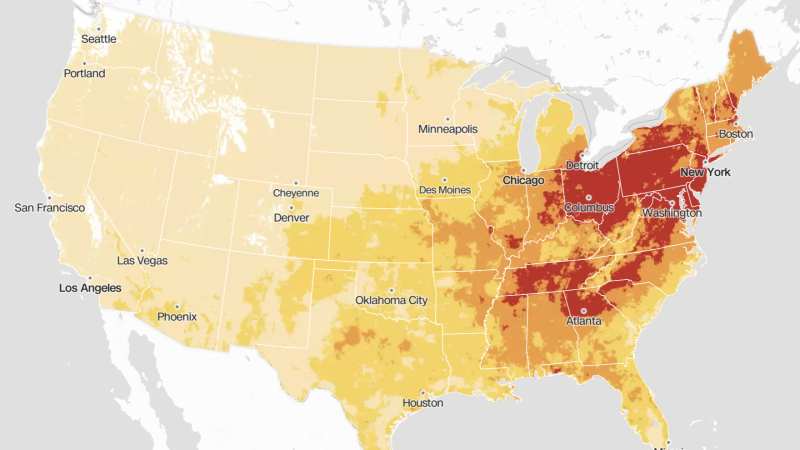
This heat wave would be virtually impossible without fossil fuel emissions, according to a new study. A severe, multi-day heatwave has intensified across the eastern United States, setting new temperature records, overwhelming energy grids, and raising health risks for millions preparing for Fourth of July celebrations. Researchers from World Weather Attribution argue that human-driven climate change has significantly intensified the event, making extreme heat conditions far more dangerous than they would have been otherwise. The heat dome forming over the Northeast has trapped warm, moist air, creating a feedback loop that sustains high temperatures. However, the study highlights that fossil fuel pollution has played a critical role in pushing this extreme weather to unprecedented levels.
Climate Change Amplifies Heatwave Severity
The research, published early Friday, reveals how greenhouse gas emissions have altered atmospheric patterns, increasing the frequency and intensity of extreme heat events. Friederike Otto, a climate scientist at Imperial College London, stated, “When a major holiday is disrupted or outdoor activities become hazardous, it’s clear climate change is already reshaping our lives.” She stressed the urgency of accelerating the shift to net zero emissions to prevent such extreme conditions from becoming the norm. The study also found that carbon dioxide and other pollutants contribute to higher humidity levels, which make heat more oppressive and elevate the risk of heat-related illnesses.
“Climate change is here, it’s already impacting the things we enjoy in our everyday lives, and it will continue to get worse the longer we delay the transition to net zero emissions.” – Friederike Otto, Imperial College London
Record-Breaking Heat Across Major Cities
As temperatures rise, at least 20 locations have tied or exceeded daily records. Washington, D.C., Philadelphia, New York City, and Boston are all grappling with sweltering conditions, with forecasts predicting near or above 100°F temperatures on Friday. The heat index, which combines temperature and humidity, is expected to reach 113°F in Washington, 109°F in New York City, 111°F in Philadelphia, and 104°F in Boston, intensifying the discomfort for residents. The heatwave has already forced event organizers to cancel or reschedule activities, underscoring its disruptive impact.
This heat wave would be virtually impossible without the warming effect of fossil fuels, the study emphasizes. Philadelphia’s decision to cancel its Independence Day parade due to “extreme heat” is a direct consequence of these conditions. Outdoor workers, children, and the elderly are particularly vulnerable, as the combination of high temperatures and humidity hampers the body’s natural cooling mechanisms. This creates a perfect storm of heat stress, with potential for widespread health complications.
Energy Strain and Grid Management Efforts
Energy Secretary Chris Wright has implemented measures to stabilize the power grid during this heat wave. By directing data centers in the Mid-Atlantic to use backup power, the initiative aims to preserve electricity for residential air conditioning. These facilities, served by PJM, the country’s largest grid operator, are critical to managing energy demand as temperatures soar. Virginia, home to the world’s largest data center concentration, has seen energy price spikes in recent years, partly due to increased consumption during extreme weather events.
“Residents should adjust their air conditioning settings and minimize energy-intensive use to help conserve power during this crisis.” – Mayor Zohran Mamdani
Broader Impacts and Future Risks
The heatwave is not only a test of energy infrastructure but also a stark indicator of the escalating risks posed by climate change. Overnight lows, while slightly cooler, remain dangerously high, creating a sustained period of heat exposure. This heat wave would be virtually impossible without the cumulative effect of fossil fuel pollution, which has raised global average temperatures and intensified weather extremes. Scientists warn that without significant emissions reductions, such events will become more frequent and severe, affecting communities across the globe.
As the heatwave continues, its consequences extend beyond immediate discomfort. The event highlights the urgent need for climate action, particularly in regions prone to extreme weather. With temperatures projected to remain above 100°F for days, the strain on power systems and public health is expected to worsen. This underscores the importance of both short-term emergency measures and long-term strategies to reduce carbon emissions and adapt to a changing climate.
