
A new plan to keep the Reflecting Pool clean – including annual purge of ‘nasty’ muck
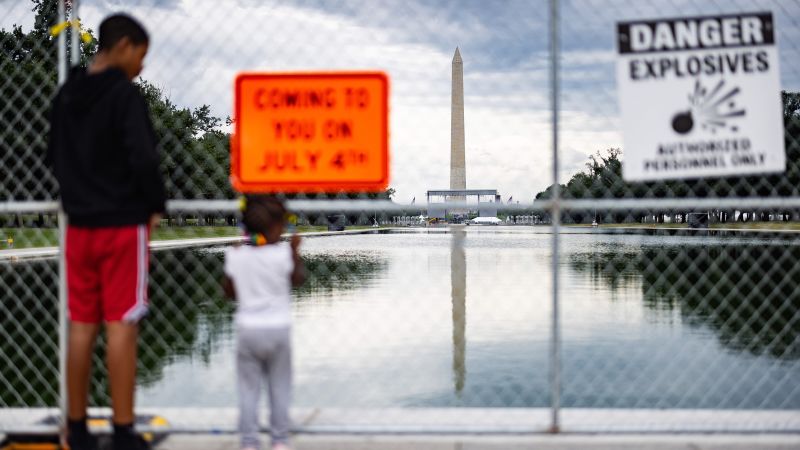
A New Strategy for the Reflecting Pool’s Cleanliness – Annual Removal of Persistent Sludge Included
The Reflecting Pool’s Persistent Challenges
A new plan to keep the Reflecting – The Lincoln Memorial Reflecting Pool, a central feature of Washington D.C.’s National Mall, has long faced maintenance difficulties. Issues such as algae growth, discolored water, a deteriorating pool bottom, and reports of vandalism have plagued the site for years. These problems have been a source of frustration for multiple administrations, including the Trump era, which sought to restore the pool to its former glory. Following the July Fourth holiday, the National Park Service plans to initiate a draining process to address structural damage and repair the pool’s aging lining, marking the second major renovation this year.
Public records show the Department of Interior is actively seeking bids for a long-term contractor to manage the pool’s upkeep. This step comes after the Trump administration’s efforts to rejuvenate the pool, including a notable initiative to combat algae. In a bid to achieve a “sparkling blue” appearance, the administration reportedly used hydrogen peroxide in large quantities to tackle the issue, a move that drew attention for its intensity and effectiveness.
The Search for a Reliable Contractor
The upcoming request for proposals outlines the comprehensive responsibilities of the chosen contractor. This includes daily maintenance tasks such as filtering water, removing debris, and manually cleaning the pool’s surroundings. The contractor will also be tasked with inspecting and maintaining the water treatment system, which relies on an innovative “ozone nanobubbler” installed at a cost of $1.7 million. This high-tech device introduces oxygen bubbles to break down algae and other pollutants, aiming to sustain clarity in the pool’s water.
According to the request, the contractor must ensure the pool’s water remains free of contaminants, including pollen, leaves, and sludge. They will also handle the cleaning of concrete surfaces, grates, steel plates, and valves around the site. Monthly pressure washing of the coping stones surrounding the pool is another requirement, emphasizing the need for consistent upkeep. The contract, which will commence in August, could extend beyond its initial year, offering flexibility for long-term management.
One of the most significant aspects of the plan is the annual two-week drainage period scheduled for February or March. During this time, the pool will be emptied entirely to remove the “slick and nasty” material at its bottom, which has been described as a mixture of wet leaves, bird droppings, and other organic debris. This process is critical for preventing the buildup of harmful substances that can affect water quality and the pool’s structural integrity.
“For respiratory safety reasons, this material should never be allowed to dry, allowing it to dry makes it an airborne problem,” the request for bids states.
This annual purge highlights the complexity of maintaining the Reflecting Pool. Despite technological interventions like the ozone nanobubbler, the accumulation of sludge and algae remains a persistent challenge. The Department of Interior’s efforts to secure a contractor reflect the growing recognition that sustained cleanliness requires a dedicated team to monitor and address issues in real time.
Cost Overruns and Funding Concerns
The total cost of the Reflecting Pool’s renovations has already exceeded $14 million, far surpassing initial projections. This financial expansion has raised questions about the efficiency of past spending and the potential for further increases. The Interior Department has previously noted the need to repair or replace thousands of feet of pipes that have been in disrepair for several years, but details on the project’s current status remain unclear.
While the latest bid process focuses on operational maintenance, it also underscores the broader financial implications of the project. The contractor’s responsibilities extend beyond surface-level cleaning to include the upkeep of the entire water treatment system, ensuring that the pool remains a symbol of American resilience and elegance. However, the Department of Interior has not yet provided updates on the progress of the pipe repairs, leaving many to wonder if the funding allocated will cover all necessary components.
Public documents reveal that the administration is prioritizing both immediate and long-term solutions. The new plan includes a combination of advanced technology and manual labor to combat the pool’s recurring problems. Yet, the challenge persists: even with these measures, the Reflecting Pool’s condition has remained a topic of debate. Critics argue that the cost of maintaining such a high-profile site could be better managed through alternative methods, while supporters emphasize the importance of preserving its historical significance.
Historical Context and Future Implications
Historically, the Reflecting Pool has served as a focal point for visitors and a backdrop for presidential ceremonies. Its appearance has been a subject of public scrutiny, particularly after the Trump administration’s aggressive approach to algae control. The decision to use hydrogen peroxide, while effective, also sparked discussions about the environmental impact of such interventions. For instance, the treatment not only clears the water but also alters its chemical composition, potentially affecting the ecosystem surrounding the pool.
The latest maintenance plan, however, appears to balance efficiency with sustainability. By outsourcing daily tasks to a contractor, the National Park Service can concentrate on larger-scale repairs, such as addressing the pool’s structural vulnerabilities. This division of labor may help streamline operations, though it also raises concerns about oversight. The Department of Interior has not responded to CNN’s inquiries about the status of the pipe replacements, leaving a gap in the public’s understanding of the project’s full scope.
As the pool enters this new phase, its restoration has become a microcosm of the broader challenges facing public infrastructure. The annual purge of sludge and the ongoing use of hydrogen peroxide illustrate the layered efforts required to maintain its pristine state. With the contractor’s role now defined, the hope is that this strategy will create a more stable and aesthetically pleasing environment. However, the financial and logistical hurdles remain, and the success of the plan will depend on the contractor’s ability to adapt to the pool’s unique demands.
The Reflecting Pool’s maintenance has also become a symbol of the political will to uphold national landmarks. While the Trump administration’s interventions were marked by their urgency, the current plan emphasizes a more systematic approach. This shift may signal a commitment to long-term preservation rather than short-term fixes. Yet, the accumulation of “nasty” muck and the need for frequent cleanings underscore the delicate balance between beauty and practicality in maintaining such a historic site.
As the deadline for bids approaches on July 8, the Department of Interior’s choice of contractor will set the tone for the pool’s future. The selected individual or company will be responsible for ensuring that the pool remains a source of pride for the nation. Whether this plan will succeed in restoring the pool’s former splendor or merely delay the inevitable remains to be seen. But for now, the focus is on implementation, with the hope that the next phase will bring lasting improvements.
In the meantime, the Reflecting Pool continues to draw crowds and attention. Its struggles with algae and sludge are not just technical but also symbolic, representing the challenges of preserving a national icon in an era of shifting priorities and resource constraints. The new maintenance strategy, while comprehensive, is just one step in a longer journey to safeguard this beloved feature of the National Mall.
