
Jason Miller set to join White House again — with a messaging mission
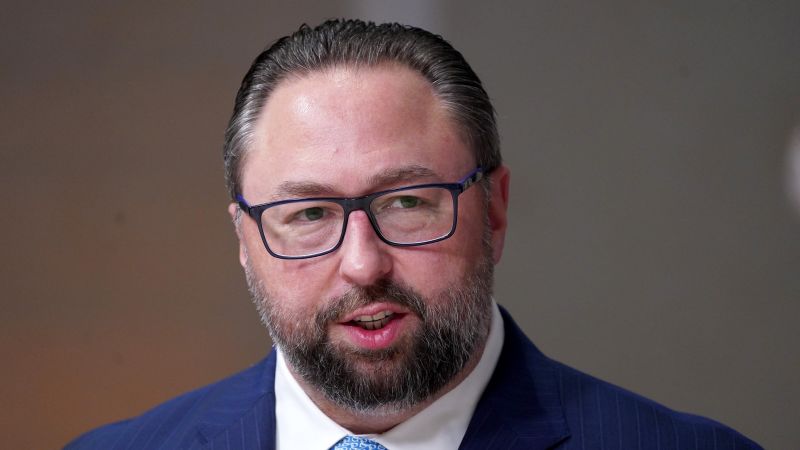
Jason Miller Set to Return to White House Amid Strategic Messaging Push
Jason Miller set to join White – Jason Miller, a former key figure in President Donald Trump’s administration and campaign, is anticipated to rejoin the White House as part of a renewed effort to align the president’s communication strategy with the Republican Party’s broader political goals. According to three sources close to the matter, the details of his appointment are nearing finalization, though formal paperwork remains pending. Miller’s return is expected to focus on shaping messaging that highlights Trump’s achievements, particularly in a climate where the administration has faced challenges in maintaining a consistent narrative.
Trump’s Messaging Dilemmas
President Trump has struggled to maintain a cohesive message in recent months, often shifting priorities that have diverged from the Republican Party’s emphasis on affordability and economic growth. His decision to escalate tensions with Iran led to a spike in gasoline prices, a move that drew criticism from allies and opponents alike. Last week, he abruptly rejected signing a bipartisan bill aimed at reducing housing costs, dismissing it as “a yawn” in a statement that underscored his frustration with legislative efforts. Despite these missteps, Trump has recently pivoted to a more aligned message, accusing Democrats of communist sympathies following a wave of democratic socialist primary victories.
“Jason is a hand that is trusted by the president, he respects him, and he’s been around a long time,” said one source briefed on the discussions. “Having people around him reinforcing correct political advice is always a good thing.”
This shift in rhetoric reflects a broader strategy to position Democrats as the primary threat to American values, a narrative that has gained traction within the GOP’s midterm campaign planning. James Blair, the president’s political strategist, has emphasized this approach as central to the party’s electoral strategy, aiming to leverage ideological contrasts to sway voter sentiment. Miller’s role is expected to complement this effort by ensuring the administration’s messaging consistently reinforces these themes.
A Longtime Confidant’s Reentry
Miller’s return to the White House marks a continuation of his close relationship with the president, which began during Trump’s 2015 presidential campaign. Known for his ability to distill complex policies into relatable narratives, Miller has served as a trusted advisor, helping to shape the rhetoric that defined Trump’s political career. His influence extends beyond the executive branch, as he has frequently acted as a bridge between the administration and the media, ensuring that the president’s voice remains prominent in public discourse.
While the exact title of Miller’s position is still under discussion, sources suggest it will be a specialized role tailored to the president’s needs. This could involve guiding Trump on which political issues to prioritize, crafting speeches that emphasize key accomplishments, or countering criticisms that have emerged in recent months. The White House is reportedly seeking to leverage Miller’s experience to stabilize the messaging framework, which has been criticized for inconsistency and divisiveness.
Additional Staffing Moves
Alongside Miller’s return, Johnny DeStefano is also expected to join the White House team. A long-time ally of Senate Majority Leader John Thune and a key figure in the Trump administration during its first term, DeStefano’s appointment would bolster the GOP’s strategy by integrating his network of congressional and executive connections. Two sources confirmed that his role will likely involve advising on legislative priorities and strengthening coordination between the White House and Capitol Hill.
“He is incredibly influential and has deep relationships that span the House, Senate, and White House,” noted one of the sources. “He will be a huge asset in shaping the administration’s approach to both messaging and policy.”
DeStefano’s experience as a counselor to the president during the 2017-2019 period has made him a valuable asset, particularly as the GOP seeks to consolidate support ahead of the midterm elections. His presence could help ensure that the administration’s legislative agenda remains unified and that messaging across different branches of government aligns with Trump’s vision.
Strategic Implications for the Midterms
The timing of these appointments appears deliberate, coinciding with the growing importance of midterm elections in shaping the political landscape. With the Democratic Party’s surge in progressive candidates, the GOP has sought to counter this momentum by emphasizing ideological differences and positioning Trump as the party’s unifying figure. Miller’s expertise in crafting persuasive narratives, combined with DeStefano’s legislative acumen, could provide the administration with the tools needed to reframe the national conversation.
Trump’s recent focus on labeling Democrats as communists has resonated with key Republican constituencies, particularly in rural and working-class communities. This strategy is designed to tap into fears of economic decline and cultural change, framing the opposition as a radical threat. While some analysts question the effectiveness of this approach, others argue that it has successfully mobilized base voters and provided a clear contrast to the Democratic Party’s platform.
Broader Context of White House Staffing
The White House’s staffing changes reflect a broader trend of seeking individuals who can reinforce the administration’s messaging and policy objectives. Miller’s return, in particular, signals a renewed commitment to the president’s communication style, which has often prioritized emotional appeal over technical detail. His ability to distill complex issues into digestible messages has been a hallmark of Trump’s campaign strategy, and his reappointment suggests a desire to maintain that approach.
DeStefano’s involvement further underscores the administration’s focus on maintaining a strong legislative presence. His past work with Trump has included advising on budgetary decisions and coordinating with congressional leaders, making him an ideal choice for navigating the challenges of the current session. Together, Miller and DeStefano are expected to play pivotal roles in ensuring the White House’s messaging remains consistent and impactful, even as the political environment grows more unpredictable.
CNN has contacted both Miller and DeStefano for their perspectives on the proposed roles, though responses have not yet been received. The Washington Post was the first to report on these staffing changes, highlighting the significance of their return in the context of the upcoming midterms. As the election season intensifies, these appointments may serve as a critical step in solidifying the Republican Party’s messaging strategy and preparing for the challenges ahead.
With Miller and DeStefano set to rejoin the White House, the administration is positioning itself to leverage their expertise in navigating the complex dynamics of political communication. Their combined experience could provide the president with a more unified approach to messaging, helping to counter the challenges posed by shifting priorities and internal party divisions. As the midterms approach, their roles may become increasingly vital in shaping the narrative that defines the GOP’s electoral campaign.
