
US Postal Service cannot carry out Trump order on mail ballot delivery, judge rules
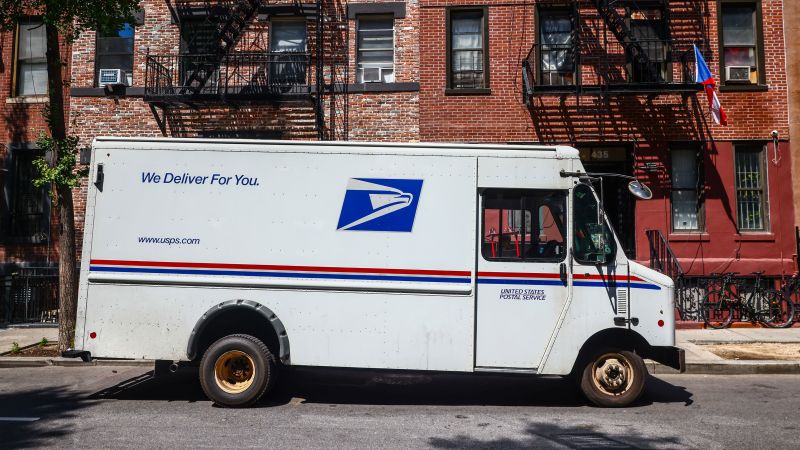
US Postal Service Can’t Execute Trump’s Mail Ballots Directive, Judge Rules
US Postal Service cannot carry out Trump – A federal judge in Washington, D.C., has ruled that the U.S. Postal Service (USPS) cannot implement President Donald Trump’s executive order on mail ballot delivery. The decision by U.S. District Judge Emmet Sullivan stops the directive from taking effect nationwide, citing a violation of a 2020 settlement agreement with the NAACP. This agreement, which followed changes to USPS operations during the pandemic, required the agency to provide clear guidance on prioritizing Election Mail. The judge’s ruling underscores the USPS’s obligation to ensure timely ballot delivery, even as Trump’s order aimed to expand its role in elections.
Background of the Legal Dispute
The conflict began in 2020 when the NAACP sued the USPS, arguing its revised mail delivery policies had slowed access to voting for minority communities. A settlement in 2021 established that the postal service must publish detailed practices for handling Election Mail. This included a mechanism for the court to oversee USPS compliance. Trump’s March 2026 executive order sought to modify these protocols, requiring the USPS to deliver ballots only to states that submitted certified voter lists. The directive was challenged by multiple states, leading to the current court action.
Key Elements of the Trump Order
Trump’s order mandated that the USPS deliver mail ballots exclusively to voters whose names were on state-certified lists. States that failed to submit these lists would see delayed ballot processing, potentially affecting voter turnout. The directive also required the use of individualized barcodes for tracking mail-in ballots, a measure intended to enhance transparency. However, critics argue this system could be exploited to target specific demographics, raising concerns about its impact on electoral fairness.
Additionally, the order tasked the Department of Homeland Security (DHS) with compiling lists of voting-age citizens from federal databases. This data was meant to streamline USPS operations but sparked fears of voter purges. The combination of these requirements has drawn criticism from election officials and advocacy groups, who warn of the potential for the postal service to become a tool for restricting ballot access in key states.
Legal Rationale Behind the Ruling
Judge Sullivan’s opinion stated that the USPS’s proposed policy violated the second paragraph of the 2020 agreement. He explained that the directive would prevent the postal service from delivering ballots to voters in states that did not provide certified lists, undermining its commitment to timely delivery. The judge emphasized that the USPS’s failure to meet the terms of the settlement could jeopardize its role as an impartial election logistics provider.
“The Proposed Rule violates paragraph 2 of the Agreement because the Postal Service cannot post documents reflecting ‘practices and policies for prioritizing the monitoring and timely delivery of Election Mail’ if its policies provide that it will not accept ‘noncompliant mailing’ and therefore will not deliver mail-in or absentee ballots to some voters,” Sullivan wrote. This reasoning highlights the tension between administrative control and the USPS’s duty to serve all voters equitably.
Impact on the 2026 Election
The ruling has immediate implications for the upcoming 2026 election. By blocking the directive, the judge ensures that the USPS remains obligated to deliver ballots to all eligible voters, regardless of state compliance. This decision may help preserve mail voting accessibility but also forces states to reconcile their voter list requirements with federal standards. Critics argue the directive was a strategic move to weaken mail ballot systems, while supporters claim it improves oversight and reduces fraud.
As the election approaches, the legal battle over ballot delivery reflects broader debates about the role of the postal service in democratic processes. The ruling maintains the USPS’s independence in election logistics, but it also leaves room for future disputes. The outcome will be closely watched by advocates, lawmakers, and voters, as it shapes the balance between efficiency and equity in the electoral system.
