
Facing drama and politics, Essence Fest looks to make a comeback
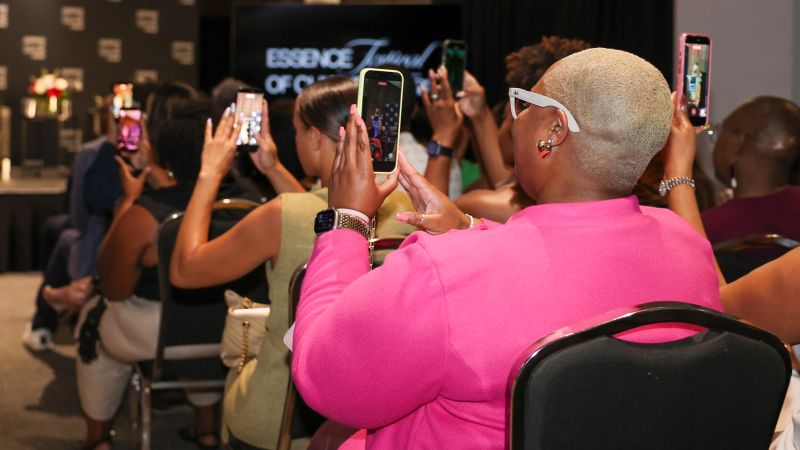
Facing drama and politics, Essence Fest looks to make a comeback
Facing drama and politics Essence Fest – As the Fourth of July approaches, New Orleans is once again preparing to welcome a sea of attendees eager to celebrate Black excellence. This year’s Essence Festival of Culture promises to bring together thousands of fans, many of whom are women, for a weekend of cultural immersion, musical performances, and community connection. However, the event is navigating a challenging landscape shaped by both internal and external pressures. With the festival’s legacy on the line, organizers are under scrutiny to restore the sense of purpose that once defined the gathering.
A History Rooted in Representation
Essence Fest has been a cornerstone of Black cultural celebration since 1995, evolving into a national phenomenon that showcases the vibrancy of Black life. Over the years, it has become more than just a music festival—it’s a platform for Black women to connect with art, literature, film, and cuisine. The event’s organizers have long framed it as a space that honors the community’s values, with its programming designed to reflect the lived experiences of its audience. Yet, as the festival grew in scale, so did the expectations for its authenticity.
For years, Essence Fest has served as a gathering point for Black women, fostering a sense of belonging and empowerment. Attendees like Rachel L. Grant, an associate professor at the University of Florida’s College of Journalism and Communications, have seen it as a unique opportunity to engage with the “different aspects of Black society, culture, and history.” But this year’s event comes amid growing concerns that the festival has strayed from its roots. Critics argue that last year’s experience highlighted a disconnect between the event’s messaging and its execution, leaving attendees questioning its direction.
Organizational Challenges and Strategic Shifts
The 2026 festival faces a backdrop of controversy, both from its own organizers and from the broader cultural context. Last year, attendees voiced frustrations over logistical mishaps, such as delayed performances and a lack of on-site coordination. These issues were compounded by the festival’s decision to partner with Target, a move that sparked debates about its alignment with the brand’s shifting stance on diversity, equity, and inclusion (DEI) policies. The partnership, which came shortly after Target faced backlash for its policies, was seen by some as a departure from the values the festival was meant to embody.
“The Essence brand promise is fraudulent,” wrote an anonymous group of critics in a 2020 Medium article titled “The Truth About Essence.” They accused the magazine’s leadership of prioritizing profit over the community’s interests, calling for a change in management and a reevaluation of the publication’s partnerships. Richelieu Dennis, the entrepreneur who acquired Essence from Time Inc. in 2018, found himself at the center of these accusations. The article suggested that the festival’s evolution had been driven by a desire to appeal to a global audience, sidelining its traditional focus on African American culture.
“It’s the aunties who hold the culture,” said Deja Zhane, a beauty influencer and avid festival-goer. “And if it’s no longer centering older women or the people who’ve been here, what is this becoming?”
Zhane’s critique gained traction after she shared a viral video last year, highlighting what she perceived as a deliberate shift in the festival’s priorities. Her comments resonated with many who felt the event was losing its core identity, becoming more about commercial appeal than cultural resonance. These concerns were amplified by the political climate in Louisiana, where a recently approved congressional map eliminated one of the state’s two majority-Black House districts. The decision sparked conversations about representation and how such changes might affect the cultural institutions that celebrate Black voices.
Attendees’ Expectations and the Weight of Expectation
Despite the challenges, the festival remains a significant draw for its audience. Some attendees, who invest thousands in tickets, travel, and accommodations, are hoping the 2026 edition will address the issues that plagued the previous year. “It’s not just about the music anymore—it’s about feeling seen and valued,” said one participant, reflecting the sentiment of many who view the event as a cultural anchor. Yet, the stakes have never been higher. With a reputation on the line, organizers must balance the demands of a diverse audience while staying true to the festival’s original mission.
One of the most notable moments from last year was when Rachel L. Grant left a late-night concert at 2:30 a.m., frustrated by the delayed start of headliners Master P and Boyz II Men. “It was a culmination of everything that felt off,” she explained to CNN. “The event was exhausting, and the lack of organization made it hard to enjoy.” Grant’s experience was echoed by others on social media, who described the festival as chaotic and disconnected from the political realities its audience faces. These critiques have fueled a broader conversation about the festival’s relevance in an era of cultural and economic uncertainty.
Economic Impact and the Pressure to Succeed
Even as the festival grapples with internal and external challenges, its economic influence remains substantial. According to organizers, last year’s event generated $321 million in economic impact, contributing $182.6 million to the regional GDP and supporting over 2,400 jobs. These figures underscore the festival’s importance not just as a cultural event but as a catalyst for economic activity in New Orleans. However, the pressure to maintain this success is mounting, especially as the audience grows more critical of missteps.
“The festival has always been a celebration of Black excellence,” said Grant. “But when the core message is diluted, it’s hard to maintain that connection.” The question now is whether the 2026 edition will restore the sense of unity and purpose that once defined the event. With the political and cultural climate in Louisiana and the nation shaping the conversation around diversity and inclusion, the festival’s ability to adapt without losing its essence will be a key test of its resilience.
A Test of Identity and Resilience
As the festival prepares for its return, the focus is on whether it can weather the storm of criticism and emerge stronger. The challenges it faces are not just logistical but symbolic—representing a broader tension between commercial success and cultural authenticity. For Essence Fest, the 2026 edition is a chance to redefine itself, to prove that it can still serve as a beacon of Black culture in a world that often questions its value.
With the 2026 festival just days away, the stage is set for a critical evaluation of the event’s direction. Will it be able to bridge the gap between its legacy and its current challenges, or will it be seen as a product of a midlife crisis? The answer may lie in how the festival balances its expanding scope with the needs of its traditional audience. As Deja Zhane and others have emphasized, the essence of the event must remain rooted in the community that built it. Whether that’s achieved or not will determine if Essence Fest continues to thrive as a cultural milestone or if it begins to fade into the background of its own history.
The festival’s journey this year reflects a larger narrative about the challenges of maintaining cultural relevance in a rapidly changing world. From its humble beginnings as a celebration of Black excellence to its current status as a sprawling event with global appeal, Essence Fest has always been a mirror of the society it serves. Now, that mirror is being scrutinized more than ever. The coming days will reveal if the festival can reclaim its place as a symbol of unity, or if it will be remembered as a missed opportunity. For the organizers, the pressure is immense—but for the attendees, the hope remains that the festival will continue to honor the legacy that made it a cornerstone of Black culture.
