
Crowd size gripes, state fair troubles: The problems of an America 250 celebration tied to Trump
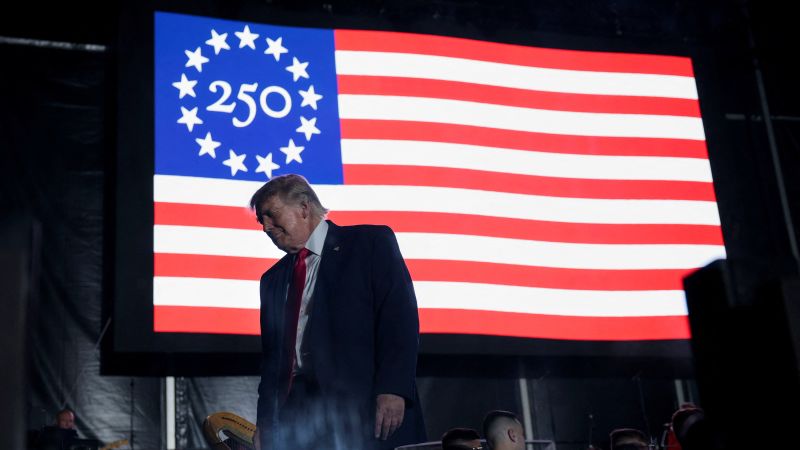
Trump’s America 250 State Fair Faces Crowd Size Criticisms
Disappointment and Disorganization: Challenges in Celebrating America’s 250th
Crowd size gripes state fair troubles – Despite Donald Trump’s lofty promises for his July Fourth rally at the National Mall, the America 250 celebration has drawn mixed reactions, with crowd size gripes and state fair troubles casting doubt on its success. Trump, who claimed the event would be the “most unforgettable birthday party any country has ever seen,” reportedly expressed frustration over modest attendance at the rally last week. White House officials, meanwhile, have voiced concerns about the event’s ability to generate enthusiasm, citing logistical setbacks and public sentiment that has been affected by its association with the former president.
The America 250 initiative, designed to mark the nation’s 250th anniversary, has faced criticism for its coordination. A key component, the state fair, has encountered delays and missteps. With the fair set up in a two-mile stretch of downtown Washington, DC, the event’s management has been scrutinized. Trump’s influence on the planning has reportedly led to a disjointed experience, as multiple musical acts withdrew from the lineup. This has fueled crowd size gripes among attendees and organizers alike, who struggle to create a cohesive celebration.
Logistical Hiccups and Public Skepticism
As the state fair unfolds, its organizers grapple with a series of obstacles that have undermined its potential. Issues like extended timelines, heightened security, and weather disruptions have added to the complexity. One White House official admitted to CNN, “The state fair’s timing is a bit too late for maximum impact,” emphasizing the need for adjustments. These challenges, combined with Trump’s public assertions about the event’s popularity, have led to growing skepticism about the celebration’s effectiveness.
Public opinion has also shifted as the fair progresses. While Trump insists the crowd size is impressive, some attendees and critics argue that the event feels underwhelming. Aerial photos of the fair, showing vast empty spaces, have intensified the debate. The discrepancy between Trump’s claims and the reality has sparked discussions about whether the state fair can truly reflect the spirit of the 250th anniversary, or if it’s more of a political spectacle than a community celebration.
Reactions from the White House and Beyond
The state fair’s turnout has not only frustrated Trump but also raised questions within the administration. One official, speaking to CNN, admitted, “We are still trying to figure out why the crowd size isn’t meeting expectations.” This uncertainty has led to internal debates about the event’s planning. Some advisors argue that the America 250 initiative should have prioritized proactive strategies to ensure a strong audience, rather than relying on the “if you build it, they will come” approach.
“We are still trying to figure out why the crowd size isn’t meeting expectations,” said a White House official, highlighting the administration’s growing concerns. “The state fair was meant to showcase the nation’s unity, but it feels like a political exercise.”
Meanwhile, social media has amplified the divide. Trump’s claim that the crowd was “packed to the brim” has been challenged by followers and critics who share photos of empty seats. The state fair’s troubles have become a focal point for public dissatisfaction, with some questioning whether the event’s design and timing are tailored to Trump’s preferences rather than the broader American public.
Strategies to Improve Attendance
In response to the crowd size gripes, the White House is implementing new tactics to boost turnout. One strategy involves requiring free tickets for the viewing section near the stage, aiming to guarantee a full audience. However, the effectiveness of this measure remains uncertain, as organizers acknowledge the possibility of many sign-ups failing to materialize. “There will likely be huge swaths of people who sign up but ultimately don’t show,” noted a senior official, underscoring the challenges of ensuring consistent attendance.
Despite these efforts, the state fair continues to be a point of contention. Its association with Trump has influenced public perception, with some viewing the event as a partisan showcase. Yet, the initiative’s broader goals—celebrating the nation’s history and unity—remain intact. As the fair moves forward, the focus will be on whether it can overcome its logistical issues and deliver the celebration that Trump envisioned, or if it will be remembered for its crowd size gripes and state fair troubles.
