
China tells its ethnic minorities to integrate or face consequences with sweeping new unity law
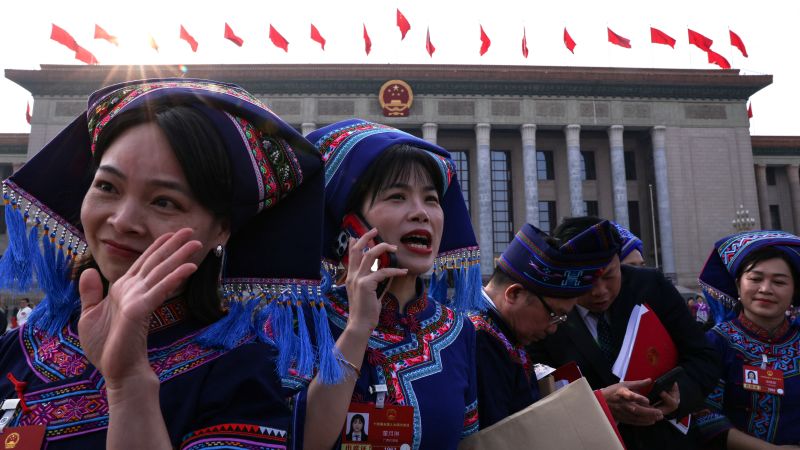
China’s New Unity Law Pressures Ethnic Minorities for Integration
China tells its ethnic minorities to integrate – China urges its ethnic minorities to embrace integration, a move underscored by the recent implementation of the Ethnic Unity and Progress Promotion Law. This law, effective from July 1, 2026, is a sweeping initiative led by President Xi Jinping, who has long emphasized the importance of unifying groups like Tibetans and Uyghurs under a shared Chinese identity. By extending its influence beyond China’s borders, the law empowers Beijing to address actions perceived as threats to ethnic cohesion, even in foreign territories. This strategy reflects a broader effort to strengthen national unity while asserting control over minority cultures and political autonomy.
A Push for National Identity
The Ethnic Unity and Progress Promotion Law mandates strict measures to cultivate a collective Chinese identity across all ethnic groups. Schools and government institutions are now required to prioritize Mandarin Chinese in education, reinforcing linguistic uniformity. Curricula must emphasize the shared heritage of the Chinese people, aiming to instill a sense of unity among the nation’s 56 recognized ethnic groups. The Han Chinese majority, which constitutes over 90% of China’s population, plays a central role in this initiative.
Parents are also expected to foster a strong connection to the Chinese Communist Party and the broader nation. Cultural institutions, such as museums and libraries, must host events that highlight Chinese history and economic achievements. Local authorities have been tasked with adjusting housing policies to promote ethnic integration, a provision that has raised concerns about potential forced relocations. These efforts collectively seek to reshape societal norms, embedding a single national identity across diverse communities.
Global Reach and International Backlash
What distinguishes this law is its transnational scope. It holds individuals and organizations outside China accountable for actions undermining ethnic unity, sparking debates about its impact on international discourse. Critics argue that the law could be used to suppress activism, research, and discussions on minority issues abroad. Rights advocates warn that the law may enable transnational repression, as seen in the network of overseas police stations monitoring exiled Chinese citizens.
During a speech marking the Chinese Communist Party’s 105th anniversary, Xi Jinping emphasized the law’s significance, calling for party members to “consolidate and strengthen the great unity of all ethnic groups.” His remarks highlight a strategic focus on unity as a key pillar of national stability. However, the law has already drawn criticism from scholars and activists, who fear it could erode minority languages, religious traditions, and cultural practices. The legislation’s broad application underscores China’s determination to align global narratives with its vision of national cohesion.
James Leibold, a Chinese ethnic policy expert at La Trobe University, noted that the law transforms ethnic unity from a political slogan into a legal obligation. “Beijing is no longer treating ‘ethnic unity’ as a flexible concept or a local propaganda effort,” he said in an analysis. “Instead, it is making the creation of a singular Chinese identity a binding responsibility across schools, families, media, and security institutions.” This comprehensive approach signals a shift toward centralized control over cultural and national identity.
Leibold also highlighted the law’s potential to impact global critics. Overseas scholars, journalists, and activists may now face increased scrutiny for their work on China’s policies. The law’s emphasis on unity extends to international platforms, where it could influence how minority issues are discussed. By framing integration as essential to national security and social harmony, China positions itself as a global leader in ethnic unity, while critics view it as a tool for consolidating power and shaping international perceptions.
