
‘Africa is the next wave of global talent’: This CEO is all about tech education
The Rise of African Tech Education
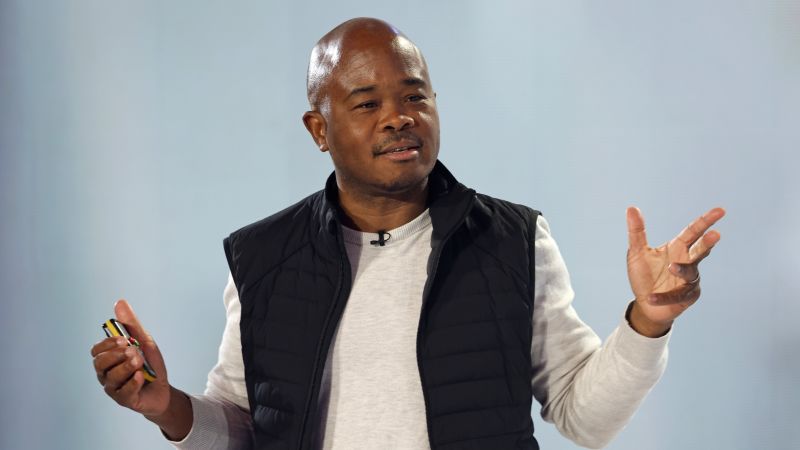
Africa is the next wave of global – Fred Swaniker, the visionary CEO of Sand Technologies, has positioned himself at the forefront of a transformative movement in Africa’s tech landscape. His company, based in New York, not only develops cutting-edge solutions in artificial intelligence and technology but also actively seeks talent from across the continent. Swaniker emphasizes that a significant portion of his workforce—specifically one-third—comprises engineers and professionals trained at African leadership and tech education hubs he co-founded. These institutions have become critical engines for cultivating the next generation of innovators, addressing both local and global opportunities for African talent.
Building Foundations for Global Competence
In 2004, Swaniker launched the African Leadership Academy, a program designed to nurture exceptional young African leaders and prepare them for higher education. Building on this success, he later established the African Leadership Universities in 2015, creating a more scalable framework for education. These initiatives have been instrumental in shaping a pipeline of skilled graduates ready to tackle challenges in tech and beyond. Now, in 2024, Swaniker’s latest venture, the African Leadership Xcelerator (ALX), is expanding its focus to remote learning. The initiative offers virtual courses in fields like software engineering, data analytics, and emerging areas such as film, music, gaming, and animation, ensuring that African youth are equipped for the evolving digital economy.
Empowering Through Remote Work
Swaniker acknowledges the global shift in technology and its implications for African workers. “Young skilled professionals can now access markets that were once out of reach,” he explains. This is particularly evident in the rise of remote work, which allows graduates trained in Africa to compete with their counterparts in the United States or Europe. For instance, students from cities like Addis Ababa, Lagos, and Nairobi can now contribute to projects in London or New York, leveraging their expertise without being physically tethered to those locations. This trend has redefined economic possibilities, enabling individuals to thrive as traders, content creators, and filmmakers, all while utilizing tools like AI to enhance their capabilities.
“Brain drain is only a problem when you’re training talent at low scale,” Swaniker argues. “We’re doing this at scale. In 2024, we trained 700,000 people, and our goal is to reach 3 to 5 million in the next decade. The continent should train 100 million people.”
Swaniker’s perspective challenges traditional notions of talent migration. He highlights that the average age of Africans is 19, underscoring the continent’s demographic potential. “Africa is the last remaining store of what has always driven human progress: human capacity and talent,” he asserts. This young population, he believes, is poised to become the primary source of innovation for the global community. From AI-driven solutions to cultural exports, the continent is generating ideas that can address worldwide challenges.
Global Markets and Local Impact
When asked about the feasibility of African workers accessing global markets, Swaniker offers a compelling response. “If you look at what Nigerian musicians have achieved,” he says, “a decade or two ago, they earned only $10,000 per performance by selling locally. But when they reached international audiences, artists like Burna Boy and Wizkid sold out venues such as the 02 Arena in London or Madison Square Garden in New York.” This success in the music industry, he notes, mirrors opportunities in other creative fields. “The same potential exists for film, gaming, animation, and design. Young people in Africa are setting the cultural tone for the world, and their talent is already being recognized globally.”
“You can be a trader and create content and build movies,” Swaniker adds. “AI is enabling all these roles, making it a great equalizer. People can now develop skills they previously couldn’t, breaking down barriers to work opportunities.”
Swaniker’s vision extends beyond individual success. He stresses the ripple effect of training one person: “When someone is educated and can work remotely, they’re not only earning more money but also reinvesting it in their communities.” This income supports local businesses, from grocery stores to barbershops, creating a multiplier effect that empowers entire ecosystems. His goal is to ensure that every trained individual can sustainably support five to 10 others, fostering a cycle of growth and opportunity.
Future Horizons and Educational Innovation
Looking ahead, Swaniker envisions a future where Africa’s creative industries become major contributors to the global economy. “The creative sector is a key area for exports,” he states. “We’re already seeing the potential in music, and the same can be replicated in film and other fields.” ALX’s recent expansion into digital skills for artists and creators reflects this ambition. By integrating technology with creative training, Swaniker aims to cultivate a workforce that can innovate across multiple sectors.
Swaniker’s journey from founding the African Leadership Academy to launching ALX illustrates his commitment to bridging the gap between education and opportunity. His work has not only transformed the lives of thousands but also redefined how Africa is perceived on the world stage. “What the world needs to realize,” he concludes, “is that Africa is the source of ingenuity that will solve the problems of the future. We’re doing that right now with Sand Technologies, and the same model can be applied across industries.”
As the digital divide narrows and access to technology expands, Africa’s potential as a hub for global talent becomes increasingly clear. Swaniker’s initiatives are not just about training engineers but about empowering a diverse range of professionals to thrive in a borderless world. His approach ensures that the continent’s youth are not only equipped for success but also positioned to lead the next wave of innovation and cultural influence. The journey is just beginning, and the impact is already being felt across borders.
