
From Big Lick to ‘Star City’: This Virginia mountain town shines
From Big Lick to ‘Star City’: This Virginia Mountain Town Shines
From Big Lick to Star City – Nestled in southwestern Virginia, Roanoke has earned a reputation for its striking natural surroundings and rich historical legacy. Known as the “Magic City” and the “Star City of the South,” the town’s name has evolved over time, reflecting its transformation from a quiet valley settlement to a vibrant cultural and economic hub. Its location straddles the Blue Ridge and Allegheny mountain ranges, offering a scenic gateway to the Blue Ridge Parkway and the Appalachian Trail. This setting has become a defining feature of the city’s charm, drawing visitors and locals alike to its breathtaking vistas.
A Hiking Paradise with a Legacy
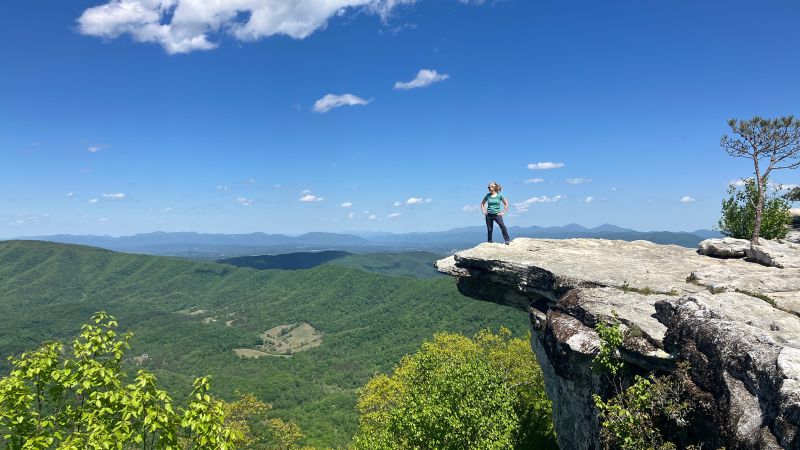
Roanoke’s outdoor offerings are unmatched, according to Ryan Wagoner, a volunteer on the Appalachian Trail. “The access to nature here is something you don’t see in many places,” he remarked during a routine run to McAfee Knob in early May. The trailhead, just 20 minutes from Roanoke’s regional airport, serves as a gateway to an 8-mile, out-and-back journey that reveals panoramic 270-degree views of the surrounding landscape. McAfee Knob, one of the trail’s most iconic spots, is part of the “Triple Crown” of hikes north of the city, alongside two other popular routes. These trails highlight the area’s commitment to preserving its natural beauty while catering to adventurers.
Roanoke’s proximity to the Blue Ridge Parkway adds to its appeal. The 469-mile scenic drive southeast of the city is lined with viewpoints and hiking paths that showcase the region’s dramatic topography. Whether exploring the trail or taking in the Parkway’s vistas, visitors are reminded of the area’s enduring connection to the outdoors. This natural allure, combined with the city’s convenient location near Interstate 81, makes Roanoke a unique blend of urban accessibility and mountain serenity.
From Railroads to Relics: A City Built on Tracks
Roanoke’s history is deeply intertwined with its railroad roots. In the 1880s, the railroads played a pivotal role in transforming the town from a sleepy valley community known as Big Lick into a thriving commercial center. The name “Big Lick” originated from the salt deposits that once attracted wildlife and early settlers. However, as the city expanded, it earned a new moniker: “Magic City.” This nickname stems from the rapid growth and development fueled by the railroad’s arrival, much like a Western frontier town.
Today, remnants of that era still linger. Freight trains hum through the city’s streets, echoing the past when Roanoke was a key transportation hub. The city’s historic downtown, for instance, is punctuated by the clatter of trains passing by the Hotel Roanoke, a stately Tudor-style building constructed by the Norfolk & Western railroad in 1882. Four times daily, Amtrak passenger trains stop at the downtown platform, a testament to the city’s enduring rail connections.
A Cultural Hub with a Growing Scene
Roanoke’s population now exceeds 100,000, and its downtown area has become a walkable destination brimming with local businesses and attractions. The city’s historical significance is celebrated at the Virginia Museum of Transportation, housed in a repurposed 19th-century freight station. This museum, along with the O. Winston Link Museum, offers insights into the region’s railroad heritage. The latter, situated in the old Norfolk & Western passenger station, is famous for its collection of photographs and audio recordings that capture the final days of steam-powered travel.
While the railroad’s prominence has waned, its influence remains. The East End Shops, once the heart of locomotive manufacturing, now stand as a reminder of the city’s industrial past. These workshops were instrumental in creating some of the world’s most renowned steam engines, a legacy that continues to draw history enthusiasts. The merger of the Norfolk & Western and Virginian railroads eventually led to the formation of Norfolk Southern, which relocated its Roanoke offices in 2015. Despite this, the city’s rail heritage endures through its museums and preserved infrastructure.
Revitalization and Modern Appeal
Roanoke’s recent revitalization has brought new life to its downtown. Rainey Alvarez, a bartender at Sidecar, a popular bistro that opened in 2020, recalls the city’s shift in perception. “Roanoke didn’t used to be cool,” she said, reflecting on her upbringing in Franklin County. “But we’ve always had the mountains—there’s always been beauty here.” Alvarez credits the explosion of the local food scene, which she describes as “a decade-long renaissance,” for revitalizing the city’s cultural fabric. The influx of trendy restaurants into former storefronts has transformed the downtown into a dynamic destination.
Roanoke’s charm lies in its ability to balance history with modernity. The city’s compact downtown features a mix of historic buildings and contemporary businesses, creating a unique atmosphere. Along Norfolk Avenue, interpretive signs guide visitors through the city’s rail history, highlighting landmarks like the former headquarters of the Norfolk & Western railroad. These signs, coupled with the city’s active outdoor recreation scene, underscore Roanoke’s dual identity as a place rooted in the past yet forward-looking in its development.
More Than Just Tracks and Trails
Beyond its rail and trail attractions, Roanoke has carved a niche as a mountain biking capital on the East Coast. The area’s diverse terrain offers routes for all skill levels, from casual riders to seasoned pros. Additionally, the region is a haven for fishing and paddling enthusiasts, with rivers and lakes providing ample opportunities for outdoor activities. This combination of natural and man-made attractions ensures that Roanoke remains a destination that appeals to a wide range of interests.
The city’s cultural offerings are equally compelling. The Virginia Museum of Transportation, for example, not only displays historic locomotives and rail cars but also highlights aviation and automotive history. Its outdoor railyard is a highlight, featuring the sleek Norfolk & Western J Class No. 611, a locomotive that symbolizes the city’s industrial golden age. These exhibits, along with the nearby O. Winston Link Museum, provide a comprehensive look at Roanoke’s past and its evolution into a modern, thriving community.
Roanoke’s journey from Big Lick to Star City is a story of resilience and reinvention. While the railroad’s influence has diminished, its legacy continues to shape the city’s identity. The blend of natural beauty, historical landmarks, and contemporary culture makes Roanoke a standout destination in Virginia—and beyond. As visitors explore its trails, admire its stars, or stroll through its revitalized downtown, they’re reminded of the town’s remarkable transformation and enduring appeal.
