
Speaker Johnson sends bipartisan housing bill to White House — but Trump says it’s a ‘yawn’
Speaker Johnson sends bipartisan housing bill to White House — but Trump says it’s a ‘yawn’
Speaker Johnson sends bipartisan housing bill – On Monday, House Speaker Mike Johnson forwarded the bipartisan housing affordability bill to the White House, initiating a 10-day period during which the legislation could become law without presidential approval. Despite the move, President Donald Trump remained unconvinced, dismissing the bill as a “so unimportant” effort compared to his push for a controversial overhaul of federal elections. “Big deal,” Trump remarked with a touch of sarcasm, adding that the legislation was “a yawn.” His lukewarm response has sparked discussions about the political dynamics shaping the bill’s fate.
The housing bill, officially titled the “21st Century Road to Housing Act,” seeks to address the nation’s rising cost-of-living challenges by incentivizing the construction of new housing units. Its provisions aim to ease the burden on families through measures such as streamlining permitting processes and expanding financing options. However, Trump’s focus on his “SAVE America Act,” a federal elections overhaul targeting voter ID and proof-of-citizenship requirements, has cast a shadow over the housing measure’s prospects. Johnson’s decision to submit the bill to the White House appears to be a strategic maneuver to advance the agenda, even as the president hesitates.
“Btw, it’s irresponsible to postpone signing the Housing bill due to the SAVE Act. We need to start delivering relief to people for the high cost of housing ASAP!!”
Senator Bill Cassidy, a Republican from Louisiana, criticized Trump’s delay in signing the housing bill, emphasizing its importance for voters ahead of the November midterms. The senator’s tweet underscores the frustration within congressional Republicans, who have framed the legislation as a cornerstone of their affordability agenda. For vulnerable GOP members, the bill’s passage could serve as a key talking point in their re-election campaigns, particularly in states where housing costs are a pressing issue.
Trump’s indecision reflects a broader tension between his legislative priorities and the need to secure congressional support. A source close to the administration noted that the president is unlikely to sign the housing bill but hinted that his stance might shift. “He could always have a change of heart,” the source said, while also clarifying that Trump would not veto the measure. Instead, the president has opted to let it become law automatically after the 10-day window, a move that could embolden lawmakers to push for the bill’s approval regardless of his approval.
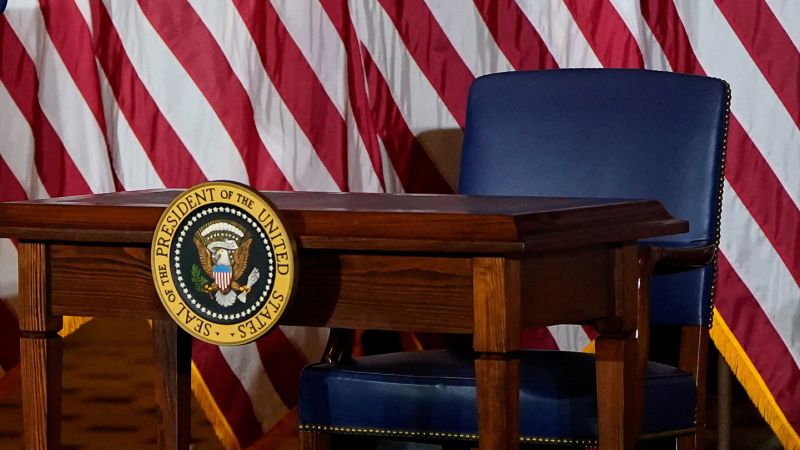
Earlier this week, Trump canceled a planned signing ceremony for the housing bill, citing his desire to tie its passage to the progress of the SAVE America Act. This action has delayed the legislation’s official ratification, leaving House Republicans to navigate the political fallout. The delay has drawn criticism from members of the party, who argue that the housing measure should be prioritized to address immediate concerns. “The bill is a vital tool for our constituents,” said a House aide, highlighting the urgency of the issue for families struggling with rent and mortgage payments.
Johnson’s collaboration with Trump on the housing bill has been a point of contention within the Republican Party. The two leaders met on Thursday, during which they reportedly aligned on key strategies. “We’re exactly on the same page,” Johnson stated after the meeting, signaling confidence in the partnership. However, the same meeting also revealed tensions over the bill’s bipartisan nature. Trump expressed reservations about the Democrats’ support for the measure, suggesting that their endorsement might signal compromise on certain issues. “It’s very bipartisan — that means the Democrats like it,” he said, implying that their backing could dilute the bill’s effectiveness in his eyes.
The Political Standoff
Trump’s fixation on the SAVE America Act has further strained an already fragmented Congress. The bill, which requires states to implement strict voter ID laws and proof-of-citizenship requirements, has been a lightning rod for partisan debate. Despite Senate Majority Leader John Thune’s assurances that the legislation could pass, Trump has refused to move forward without it, holding up other initiatives in the process. This dynamic has left House Republicans in a precarious position, balancing the need to support the president’s agenda with their own legislative goals.
The SAVE America Act’s challenges are compounded by its lack of Democratic backing. While Republicans have framed it as a necessary measure to combat voter fraud, Democrats have criticized it as a tool to suppress minority votes. This partisan divide has created a bottleneck, with Trump’s insistence on prioritizing the bill forcing House members to weigh the political costs of waiting. The 10-day countdown adds pressure, as the bill’s passage without a presidential signature could still secure its place in law, though it might not carry the same weight in the president’s absence.
Johnson’s plan to combine the housing bill with the SAVE America Act has raised eyebrows among lawmakers. By attaching the two proposals, the House speaker hopes to leverage bipartisan support for the housing measure to advance the SAVE Act. However, this strategy risks alienating Senate Republicans who are skeptical of the election overhaul. The National Defense Authorization Act, a must-pass annual bill, is often used as a vehicle for other legislation, but its pairing with the SAVE Act could create friction. “Tying the two bills together might derail the housing measure in the Senate,” a senior Republican strategist warned, noting the potential for partisan pushback.
Despite the challenges, the housing bill remains a focal point for Republicans seeking to make gains in the midterms. Its focus on affordability aligns with a core issue for many voters, especially in states where housing costs have surged. The bill’s provisions, such as restrictions on private equity purchases of single-family homes, have been praised by some as a bold step toward stabilizing the market. Yet, critics argue that these measures could have unintended consequences, such as reducing investment in housing development.
As the 10-day period approaches, the spotlight shifts to the White House. While Trump’s reluctance to sign the bill has stalled its immediate implementation, the automatic lawmaking process offers a glimmer of hope. For Johnson and his allies, the outcome of this standoff could determine the success of their broader agenda. Meanwhile, the SAVE America Act continues to be a central issue, with its fate hinging on whether Trump can secure the Senate’s backing. The coming weeks will test the patience of both parties and the resilience of the legislative process in a divided Congress.
The housing bill’s journey through the White House highlights the interplay between presidential influence and congressional autonomy. Even as Trump downplays its significance, the legislation represents a critical effort to alleviate the financial strain on households. The standoff underscores a larger theme in current politics: the tension between major policy initiatives and the need for pragmatic compromises. As the 10-day window nears its end, the question remains: will Trump ultimately sign the bill, or will it become law without his endorsement, signaling a shift in the balance of power between the executive and legislative branches?
