
San Francisco Archdiocese agrees to pay $395 million to settle child sex abuse lawsuits
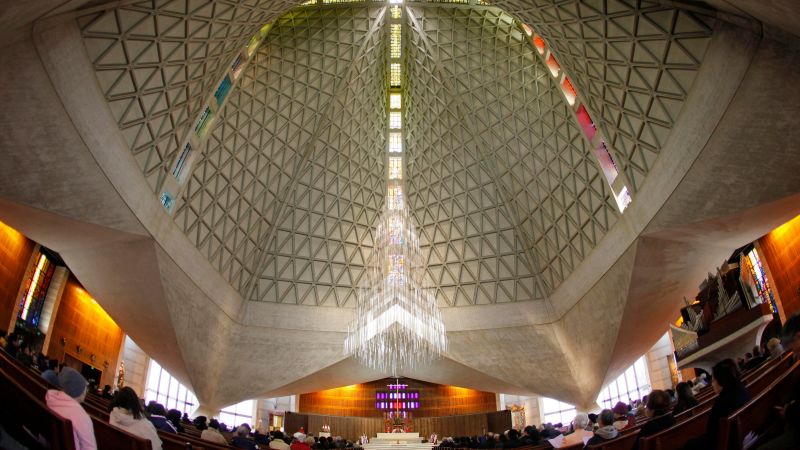
San Francisco Archdiocese Agrees to $395 Million Settlement for Child Sexual Abuse Lawsuits
San Francisco Archdiocese agrees to pay 395 – The San Francisco Catholic Archdiocese has reached a landmark agreement to settle more than 500 child sexual abuse lawsuits, according to plaintiffs’ legal representatives. The deal, finalized on Monday, involves a payment of $395 million to compensate survivors who allege they were victimized by church officials over decades. This marks a significant step in addressing a long-standing crisis that has plagued the institution for years.
Among the key components of the settlement is the requirement for Archbishop Salvatore Cordileone to personally draft an apology letter for each affected individual. The archdiocese will also implement a series of child protection and transparency measures, including the creation of a public database listing clergy members accused of abuse and detailing the results of their investigations. Jeff Anderson, a lawyer representing multiple victims, emphasized that these reforms aim to ensure accountability and provide survivors with a clearer understanding of the actions taken against abusers.
A Historical Settlement Amid Bankruptcy
The agreement comes three years after the San Francisco Archdiocese filed for bankruptcy, a move that allowed it to manage the financial burden of thousands of abuse claims. This particular settlement will cover approximately 530 survivors, many of whom endured sexual abuse spanning nearly five decades. Anderson noted that the resolution is part of a broader pattern of clergy sexual abuse settlements, with the Archdiocese of Los Angeles recently agreeing to a record $880 million in 2024.
California’s legal framework played a critical role in enabling these lawsuits. A 2019 law extended the statute of limitations for child sexual abuse claims, allowing survivors to file cases up until December 31, 2022. This led to a surge in litigation across several archdioceses, including San Francisco, as victims who had previously been unable to pursue justice now had the opportunity to do so. The archdiocese’s bankruptcy filing in 2023 was a strategic response to this legal pressure.
Survivors’ Voices and the Weight of Experience
Margie O’Driscoll, one of the plaintiffs, recounted her harrowing experience of being sexually abused by a priest nearly 50 years ago while attending Marin Catholic High School in Kentfield, a community just north of the Golden Gate Bridge. “I, like every survivor, have carried this pain and shame along like a ball and chain for a very, very long time,” she said during a news conference. O’Driscoll praised the settlement as a hard-fought victory, highlighting that it shifts responsibility from survivors to church officials.
“Ashamed and confused about what happened, scorned by the archdiocese, and sometimes not even believed by family and friends, and I think today shame is gonna change sides,” O’Driscoll added. Her words underscore the emotional toll of the abuse and the significance of the settlement in restoring a sense of justice for those affected.
The archdiocese serves about 440,000 Catholics in San Francisco, Marin, and San Mateo counties. Anderson explained that a dedicated committee of survivors, who spent extensive time negotiating with church leaders, will oversee the distribution of funds. Survivors will have the chance to share their personal stories with an allocator hired by the committee, ensuring each case is evaluated based on its unique circumstances.
Cordileone, the archbishop, acknowledged the archdiocese’s responsibility in a statement. “We accept full responsibility for what happened, and I sincerely apologize to all those who have been harmed,” he said. He described the settlement as a pathway to fair compensation for survivors who endured abuse for their entire lives. “The hope is that this proposal will allow us collectively to move forward,” he added, emphasizing the importance of reconciliation and transparency.
The settlement’s 14 child protection demands go beyond financial compensation. These include maintaining a publicly accessible list of clergy members accused of abuse, ensuring that all allegations are documented, and preventing the imposition of confidentiality agreements that could silence survivors. The reforms aim to create a more open and accountable system for handling abuse cases within the church.
Broader Implications for the Catholic Church
Anderson highlighted the significance of the San Francisco Archdiocese’s agreement, calling it one of the most comprehensive settlements in the history of clergy sexual abuse cases. “I’ve been working with survivors for decades, and I’ve never heard of anything quite as significant, as rigorous, as robust as what is being required of the Archdiocese of San Francisco,” he stated. This marks a turning point for the Catholic Church in the United States, as dioceses continue to address their historical failures.
The settlement also reflects a growing trend of legal action against religious institutions. With over 500 cases now resolved, the archdiocese’s commitment to accountability has set a precedent for other dioceses facing similar lawsuits. The financial burden of these settlements has forced many religious organizations to restructure their operations, leading to a greater emphasis on transparency and victim support.
While the $395 million figure is substantial, it represents just one piece of a larger puzzle. Survivors have long argued that monetary compensation alone is not enough to heal the trauma caused by abuse. The reforms included in the agreement, however, aim to address these concerns by ensuring that the church is proactive in preventing future harm. This includes mandatory training for clergy, improved reporting procedures, and stricter oversight of abuse allegations.
The settlement’s impact extends beyond San Francisco. It serves as a reminder of the far-reaching consequences of child sexual abuse, particularly in institutions where power dynamics can enable perpetrators to evade accountability. As survivors continue to share their stories, the hope is that these efforts will lead to systemic changes that protect vulnerable individuals and provide them with the support they need to recover.
A Path Forward for Healing and Justice
For many survivors, the settlement represents a long-awaited opportunity for closure. O’Driscoll’s experience is not unique; thousands of others have faced similar challenges, often without support from the church or their communities. The agreement ensures that these individuals will be recognized for the pain they have endured and given a voice in the process of seeking justice.
Cordileone’s apology letters are a symbolic gesture, but they also serve as a tangible acknowledgment of the archdiocese’s role in the abuse. The requirement to implement transparency reforms suggests a shift in the church’s approach to handling such cases. By making information publicly available, the archdiocese aims to rebuild trust with its congregation and demonstrate its commitment to change.
As the settlement moves forward, the focus will remain on ensuring that survivors receive equitable compensation and that the reforms are effectively implemented. The San Francisco Archdiocese’s agreement sets a new standard for accountability in the Catholic Church, offering hope that other institutions will follow suit in their efforts to address past wrongs and prevent future harm.
