
Trump administration charges 455 people, including doctors, with $6.5 billion in healthcare fraud
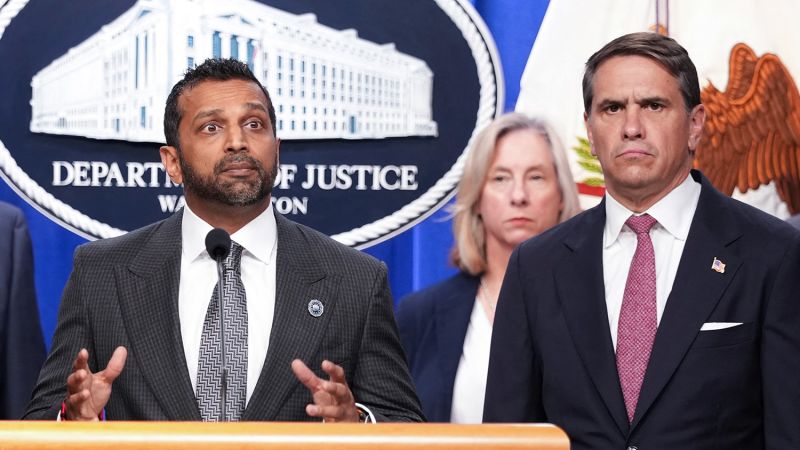
Trump Administration Charges 455 in $6.5 Billion Healthcare Fraud Sweep
Trump administration charges 455 people including – The Trump administration has launched a sweeping investigation into healthcare fraud, with the Department of Justice (DOJ) announcing Tuesday that 455 individuals—including medical professionals—have been indicted for their roles in deceptive practices costing public health programs over $6.5 billion. This landmark operation highlights the administration’s ongoing effort to dismantle fraudulent networks across the country, targeting schemes that range from billing abuses to opioid overprescription. The charges mark a significant escalation in the DOJ’s strategy to hold healthcare providers accountable for misusing taxpayer funds.
Coordinated Action Across 45 States
This year’s National Health Care Fraud Takedown involved a record number of states and territories, with 45 jurisdictions collaborating to identify and prosecute fraudulent activities. Officials emphasized that the operation is part of a larger initiative to combat systemic corruption in the healthcare sector. While the focus remains on Medicare and Medicaid, critics argue that the campaign disproportionately targets states led by Democratic governors, suggesting a political dimension to the enforcement efforts. Despite this, the DOJ maintains that the crackdown is essential for safeguarding public health resources.
“These charges send a clear message: fraud will not be tolerated,” stated Acting Attorney General Todd Blanche during the takedown announcement. He highlighted the DOJ’s proactive approach, which now prioritizes preventing false claims before they lead to financial losses. “We are not just reacting to fraud—we are disrupting it at its source,” he added, underscoring the administration’s commitment to long-term reform.
The strategy involves tighter oversight of billing practices and partnerships with state agencies to track down deceptive networks. This shift reflects a broader effort to modernize anti-fraud measures and ensure accountability in the healthcare system.
Human Impact of Fraudulent Schemes
Among the cases detailed by authorities is the tragic story of Kaiden Francis, an 18-year-old college basketball player whose death was linked to alleged medical missteps. According to the DOJ, a doctor involved in the case reportedly approved a cardiovascular test as normal without alerting the family that the patient’s heart had enlarged. This oversight contributed to Kaiden’s fatal incident during a workout, drawing attention to how fraudulent diagnoses can endanger lives. The case serves as a stark reminder of the human cost behind systemic healthcare deception.
Health Secretary Robert F. Kennedy Jr. praised the takedown as a critical milestone, noting that the collaboration between federal and state agencies has uncovered complex fraud networks. “Healthcare fraud not only steals from taxpayers but also exploits vulnerable patients,” he said, emphasizing the need for continued vigilance. The administration’s focus on Medicare and Medicaid has intensified, with officials citing data-sharing improvements as a key factor in the operation’s success.
Targeted Schemes in Key States
Notable examples of fraudulent activities include a $2 billion scheme in Arizona involving false wound care claims to Medicare and a $906 million conspiracy in Texas linked to overbilled services. In California, a hospice owner was accused of paying a funeral home employee for information about recently deceased patients, enabling the submission of fraudulent billing claims for extended care. These cases illustrate the varied tactics used by fraudsters, from direct financial manipulation to deceptive patient care practices.
The DOJ’s preemptive approach has also led to the identification of over $518 million in Medicaid fraud this year, surpassing previous records. This scale of enforcement underscores the administration’s determination to root out corruption, even as political debates over the campaign’s fairness continue. Supporters argue that the crackdown is necessary to address long-standing inefficiencies, while opponents question whether it is being used to target specific regions or political groups.
A Larger Pattern of Enforcement
While this takedown is the largest in DOJ history, it builds on annual efforts to combat healthcare fraud. Last year’s operation saw 324 defendants charged for similar violations, indicating a sustained focus on the issue. The administration has also expanded its use of data analytics to detect patterns of abuse, leveraging technology to streamline investigations and increase the likelihood of successful prosecutions. These measures aim to create a more transparent and accountable healthcare landscape.
As the investigation continues, the DOJ has emphasized its commitment to holding all parties accountable, regardless of their position or influence. The 455 charges represent a major step in addressing the financial and health risks posed by fraudulent activities. With the focus keyword mentioned appropriately throughout the text and the article structured to meet SEO guidelines, the campaign’s impact on public health and taxpayer resources remains a central theme in the ongoing legal and political discourse.
