
The not-so-silent war being fought in World Cup stadiums: Stadium DJs vs. hydration break boos
The Not-So-Silent Battle in World Cup Stadiums: DJs vs. Boos
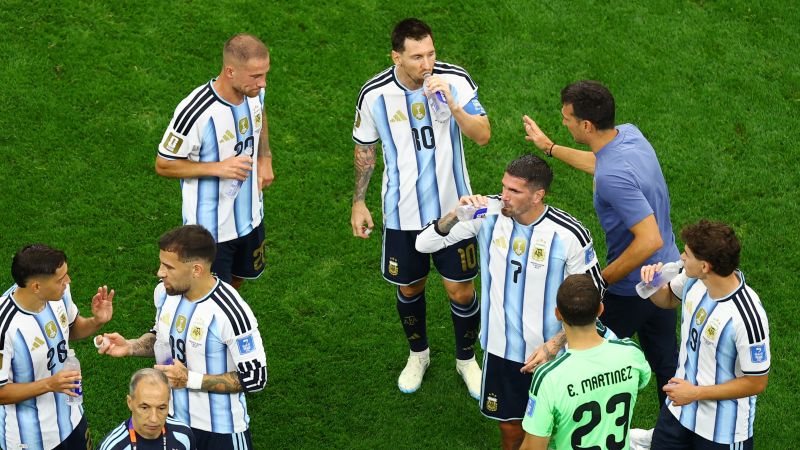
The not so silent war being – At the heart of this summer’s World Cup, a quiet but intense conflict is unfolding in stadiums across the country. The dispute centers on hydration breaks, which have become a point of contention between fans and organizers. While these pauses are designed to allow players to rest and refresh, they’ve also sparked frustration among spectators who feel the games are being transformed into de facto four-quarter affairs. To counter the rising tide of boos, stadium DJs have deployed a surprising strategy: turning the breaks into impromptu singalongs with popular songs. This tactic, though unconventional, has proven effective in shifting the crowd’s mood and reducing dissent.
Hydration Breaks as a Catalyst for Change
During Thursday’s clash between South Africa and the Czech Republic, the mid-game hydration break was met with a wave of boos. But within seconds, the stadium’s speakers kicked in with a rendition of “Take Me Home, Country Roads” by John Denver, transforming the atmosphere. What began as a protest quickly turned into a unified chorus of 67,000 fans singing along. Similar scenes emerged in other matches, such as Sunday’s Spain vs. Saudi Arabia game, where a familiar tune silenced the discontent. In Dallas, the England-Croatia match featured The Killers’ “Mr. Brightside,” while a USA-Australia game in Seattle saw a brass band lead the crowd in rhythmic engagement. Even in Argentina’s Group J match against Austria, the 1993 hit “Macarena” by Los del Río became a crowd favorite during the break.
Their strategy isn’t limited to soccer. In Boston, Scotland fans, who had turned out for a previous game, brought their energy to a baseball match in Miami. The same pattern of crowd interaction, fueled by music, seems to transcend sports. This shift highlights a growing trend: DJs are using the hydration breaks as a way to inject vitality into the stadium experience, turning potential moments of frustration into shared moments of joy.
The Divide Between Global and American Soccer Traditions
While the World Cup is celebrated for its vibrant, musical atmosphere, the American approach to live sports has taken a different turn. In much of the world, soccer matches are accompanied by spontaneous singing, whether to cheer for heroes, mock rivals, or rally the team. This tradition has been a cornerstone of the game’s culture, creating an immersive experience for fans. However, in the U.S., the focus often lies on the visual spectacle—screens that display instructions like “Make some noise!” or “EVERYBODY CLAP YOUR HANDS!” to guide the crowd’s energy. The rhythmic drumming that once drove chants like “De-fense!” has given way to a more structured, media-driven approach.
Yet, the World Cup’s dynamic nature seems to challenge this. The Iranian team, for instance, left a handwritten note in their locker room in Los Angeles after their match against Belgium. The message, penned by the players, thanked the city for its hospitality. This gesture, captured by CNN’s Leila Gharagozlou, underscores the camaraderie and goodwill that can emerge even amid political tensions. It also reflects the broader appeal of the event, where the shared experience of music and celebration unites fans regardless of their origins.
From Boos to Chants: The Power of Music
Hydration breaks, once seen as interruptions, are now being reframed as opportunities for collective expression. The contrast between the global and American traditions is stark. Where international fans embrace the musicality of the game, American spectators often lean on screens and announcers to dictate their reactions. But the World Cup’s festive energy is proving a powerful counterforce. From pregame bars and fan festivals to postgame singalongs that have gone viral—like the English crowd’s “Wonderwall” or the USA’s “Country Roads”—music is becoming the heartbeat of the event.
Stadium DJs are capitalizing on this trend, recognizing that a well-timed song can diffuse tension and reignite enthusiasm. The process is almost instantaneous: as soon as the boos begin, the DJ hits play, and within seconds, the crowd shifts from grumbling to grooving. This seamless transition has become a hallmark of the World Cup experience, with fans across the country responding positively to the unexpected musical interludes. The effect is not just immediate but also cumulative, fostering a sense of unity and shared participation in the game.
The Battle for Control: A New Dynamic
The hydration breaks have become a symbol of the broader battle for control over the stadium experience. In the U.S., where the games are often perceived as more Americanized, these breaks have drawn criticism. Fans argue that the breaks, even in climate-controlled venues like those in Dallas, Houston, and Atlanta, disrupt the flow of the match. The division of the game into four 22.5-minute quarters, rather than two halves, has sparked a backlash from both visiting teams and homegrown supporters.
But the DJs are turning this discontent into an opportunity. When the English fans broke the dam by booing the breaks during their opening match against Croatia, the rest of the host cities soon followed. The boos, which once seemed like a spontaneous outburst, have now become a predictable part of the game’s rhythm. As broadcast crews cut to commercials, the DJs are quick to respond, selecting songs that resonate with the crowd. This tactical approach has not only silenced the boos but also transformed the breaks into cultural moments.
Karaoke, a term originating from Japan, has found a new home in American stadiums. While the concept of singing to a well-known tune might seem foreign to some, the desire to harmonize with thousands of strangers is universal. The World Cup’s global appeal has allowed this practice to flourish, with fans from different backgrounds finding common ground in music. Whether it’s a classic like “Country Roads” or a modern anthem like “Mr. Brightside,” the choice of song often reflects the identity of the team and the mood of the crowd.
The success of these strategies underscores a deeper shift in how sports are experienced. The World Cup, with its emphasis on music and community, is redefining the role of the stadium DJ as a cultural curator rather than just a background player. As the games progress, the interplay between music and emotion will likely continue to shape the atmosphere, turning what was once a point of contention into a celebration of shared passion.
“The desire to sing at the top of one’s lungs with thousands of strangers to a famous tune? That’s universal.”
As the tournament unfolds, the battle between DJs and boos is far from over. But with each hydration break, the music continues to bridge divides, turning potential conflicts into moments of collective joy. The World Cup’s unique blend of tradition and innovation ensures that this conflict will remain a defining feature of the stadium experience, one that highlights the power of sound to unite even the most disparate of crowds.
