
Germany battles aggressive outbreak of poisonous caterpillars
Germany Battles Aggressive Outbreak of Poisonous Caterpillars
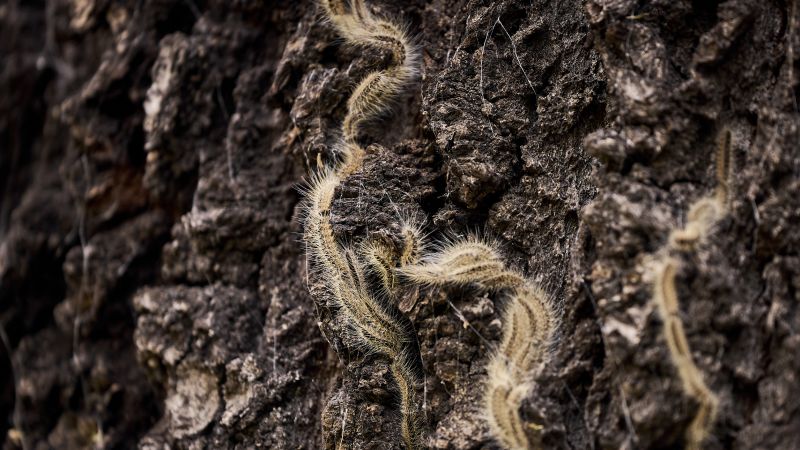
Germany battles aggressive outbreak of poisonous – Across Germany, local authorities are grappling with a rapidly spreading infestation of toxic caterpillars, which has forced the closure of public parks and outdoor areas, including in the capital city of Berlin. The primary culprit is the oak processionary moth, a species known for its microscopic, barbed hairs that release a potent toxin. These hairs, invisible to the naked eye, can cause skin rashes, eye irritation, and respiratory problems upon contact with humans. The challenge intensifies as the hairs detach easily and travel far through the air, posing a risk even in areas not directly infested.
The Toxic Threat
Residents in heavily affected regions are reporting widespread discomfort, with symptoms ranging from mild itching to severe allergic reactions. The caterpillars form dense, white, silky nests on oak trees, which act as reservoirs for the toxic hairs. In Berlin, these nests have transformed popular green spaces into cautionary zones, marked by red and white tape to deter visitors. The situation has escalated to the point where parks like Jungfernheide, located in the Charlottenburg-Wilmersdorf district, now resemble areas under quarantine.
Authorities in the western district of Spandau have issued urgent warnings to avoid the 39-acre Wilhelm-von-Siemens-Park, as well as nearby schools, daycare centers, and residential streets. The state and city government’s official portal details the scale of the crisis, emphasizing the need for protective measures. In one notable operation, CNN observed cherry pickers using specialized vacuum machines, typically employed for asbestos removal, to extract nests from branches nearly 20 meters above the ground. Workers in full blue gear, including ventilation masks, meticulously removed the nests to prevent any airborne spread of the toxin.
Damage Limitation Efforts
Officials are prioritizing damage limitation over complete eradication, acknowledging the difficulty of eliminating the entire infestation. A city representative overseeing the cleanup explained that while 2,000 trees in the affected park are currently cordoned off, the team aims to clear approximately 20 trees daily. However, the extent of infestation varies, with some trees harboring hundreds of nests. During a recent weekend, one crew spent an entire day removing nests from a single tree, highlighting the labor-intensive nature of the task.
To minimize exposure, authorities are advising citizens to clean their clothing thoroughly after visiting parks and to keep windows and doors closed during peak activity periods. These precautions are essential, as the microscopic hairs can cling to fabric or surfaces and remain hazardous for extended periods. The focus on prevention underscores the severity of the situation, with officials recognizing that a proactive approach is critical to safeguarding public health.
Tracking the Spread
While Berlin faces the most intense concentration of the outbreak, similar issues have been reported in other German cities, including Hamburg and the western state of North Rhine-Westphalia. EPS-Radar, a digital platform tracking the spread of the infestation, has noted a surge in cases across these regions. The website’s creator, Britta Wunderwald, initially worked in marketing but shifted her focus after a friend’s son developed symptoms consistent with caterpillar exposure. “I was wondering if I could go outside, and where a safe area was for a picnic,” she explained during a phone interview. “There was no actual map for this year, so I decided to create one using an AI tool.”
Wunderwald’s initiative has become a valuable resource for those navigating the crisis. She hopes that future government actions will be more proactive, addressing the problem before it reaches critical levels. Her efforts reflect a growing awareness of the need for community-driven solutions in the face of environmental challenges.
Ecological and Environmental Factors
Experts attribute the current surge in caterpillar activity to a combination of climate change and biodiversity shifts. Derk Ehlert, an urban nature specialist, noted that the number of caterpillars observed in Berlin this year exceeds previous years, suggesting a long-term trend. He explained that the species, native to southern Europe, has gradually migrated northward over the past decade. “The oak processionary moth thrives in hot and dry conditions, which have become more frequent due to rising temperatures,” he said in a post on the Berlin Nature Conservation Foundation’s website.
Ehlert also warned that the caterpillars’ increasing prevalence is linked to broader ecological changes. As natural habitats shrink and weather patterns become more extreme, the moth’s population has grown, outpacing traditional control methods. This has led to a situation where even well-maintained urban parks are no longer safe for unguarded access. The nests, which can be found on branches and tree trunks, are particularly problematic in densely populated areas, where they threaten both people and wildlife.
While the caterpillars have long been present in Germany, their current spread is unprecedented. The EPS-Radar website highlights that climate change has created ideal conditions for the species to flourish. Warmer winters and longer growing seasons have allowed the moths to reproduce more efficiently, leading to larger infestations. This has put additional pressure on local authorities to respond swiftly, as the health risks are not limited to humans—animals and birds can also suffer from the toxin’s effects.
Community and Public Response
Residents and visitors in Berlin have adapted to the new reality, often carrying gloves and face masks when venturing into parks. Schools and daycare centers have implemented strict protocols, ensuring children are kept away from infested areas. Despite these measures, the psychological impact of the outbreak remains significant, with many people avoiding green spaces altogether. The sight of cordoned-off trees and warning tape has created a sense of unease, turning once-vibrant parks into zones of caution.
Local businesses in affected districts are also feeling the strain, as reduced foot traffic impacts tourism and outdoor activities. However, some community members have embraced the challenge, using the crisis as an opportunity to raise awareness about environmental health. Online forums and social media groups have emerged, sharing tips on identifying the caterpillars and minimizing exposure. These platforms have become vital in connecting people with resources and fostering a collective response to the issue.
As the situation continues, officials remain vigilant. The goal is not only to manage the immediate health risks but also to develop long-term strategies for preventing future outbreaks. This includes monitoring weather patterns, investing in advanced removal techniques, and collaborating with environmental scientists to understand the moth’s lifecycle and behavior. The hope is that with sustained efforts, Berlin and other German cities can mitigate the impact of this aggressive infestation and protect their natural spaces for future generations.
“I hope that next year it’s getting taken more seriously by the council, that they act in advance,” Britta Wunderwald added, reflecting the growing urgency of the situation.
With the caterpillar outbreak serving as a stark reminder of nature’s unpredictability, German officials are now facing the dual challenge of safeguarding public health and preserving the ecological balance. The measures taken so far, though effective in limiting harm, highlight the need for a more integrated approach to urban pest management. As the battle continues, the resilience of both the environment and the people of Berlin will be tested in the coming months.
