
‘The Godfather’ landed in this Sicilian village in 1971. Life was never the same again
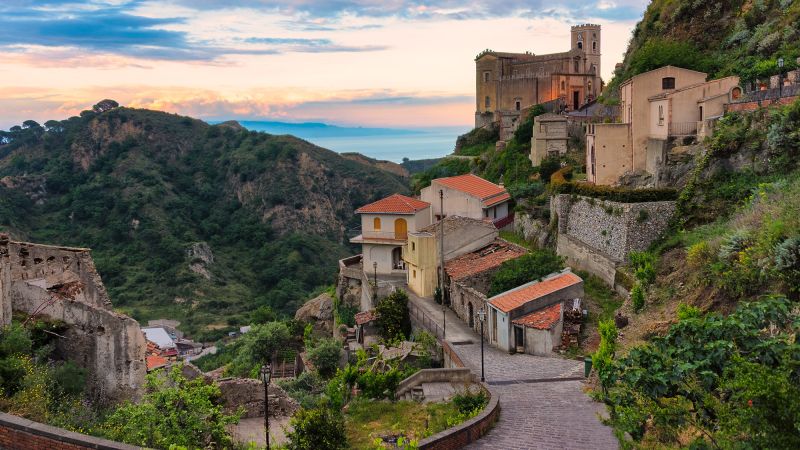
The Godfather’s Legacy in a Sicilian Village
The Godfather landed in this Sicilian – More than half a century ago, the quiet village of Savoca, nestled in Sicily’s rugged hills, became the backdrop for one of cinema’s most iconic tales. The 1972 film *The Godfather*, directed by Francis Ford Coppola, brought global attention to the small town, which once had unpaved roads, a population under 100, and no running water. Today, Savoca is a bustling tourist hub, its charm forever intertwined with the cinematic magic of the movie.
“The film was an unexpected blessing,” recalls Vincenzo Pasquale, 72, who was just 18 when he joined the cast as an extra. “It changed everything for our village—turning strangers into visitors, and visitors into lifelong friends.”
Since the arrival of cruise ships two decades ago, the influx of tourists has reshaped Savoca’s landscape. Pasquale notes that on certain days, the streets are so crowded that vehicles must honk to navigate. The village’s reputation as a filming location has grown steadily, with its scenic beauty and historic architecture drawing filmmakers and travelers alike. While *The Godfather* remains the most celebrated of these, the town’s identity as a cultural touchstone has solidified over the years.
HBO’s *The White Lotus* Redraws the Map
As *The White Lotus* prepares for its fourth season, the show’s creators are taking their signature blend of luxury and chaos to a new setting: the French Riviera. This season’s central location, the 19th-century Château de la Messardière, is now a sprawling resort that captures the essence of the Côte d’Azur. Previously, the series had showcased opulent properties like Taormina’s San Domenico Palace and Thailand’s Four Seasons Resort Koh Samui, but this time, the focus shifts to the glamour and tension of a French coastal estate.
CNN’s recent visit to the château revealed a world of verdant gardens, sunlit terraces, and architectural grandeur. The show’s production team has transformed the historic home into a setting that mirrors the extravagance and drama of the fictional *White Lotus* resort. For locals, the production offers both economic opportunities and a chance to glimpse the lives of the show’s elite characters, who are now part of the real-world narrative of Savoca and its neighboring regions.
Recognizing Excellence in the Culinary World
Among the year’s most anticipated events, the James Beard Awards celebrated the pinnacle of American gastronomy, spotlighting restaurants that have redefined their craft. These accolades, often dubbed the “Oscars of the food world,” not only honor culinary innovation but also elevate winning eateries to cultural icons. In San Francisco, Philadelphia, Texas, and Oregon, chefs and restaurants have found themselves in the spotlight, with the awards serving as a guide for food enthusiasts seeking exceptional dining experiences.
The recognition extends beyond mere prestige; it signals a shift in how diners perceive and engage with the food industry. For instance, the newly crowned winners are now seen as must-visit destinations, blending local flavors with global influence. The awards also highlight sustainability efforts, with some recipients championing eco-conscious practices that align with the industry’s evolving priorities.
Winemaking in the U.S. Hits a Golden Era
The United States emerged as a standout at the Decanter World Wine Awards, a global benchmark for excellence in viticulture. Held in a prestigious venue, the event celebrated the diversity and quality of American wines, with judges hailing the country’s growing prowess in the field. Wineries from Texas, Virginia, and Pennsylvania were among the honored, showcasing a range of varietals that have captivated international palates.
“We are in a golden era,” remarked one of the event’s judges, praising the innovative techniques and terroir-driven approaches that have defined the U.S. wine scene. The awards underscore a broader trend: as American winemakers push boundaries, the nation’s wines are increasingly competing on the world stage, challenging traditional notions of what constitutes a fine vintage.
Sustainable Luxury in Beijing
On the other side of the globe, Beijing’s King’s Joy restaurant has achieved an extraordinary feat: it is the only Chinese establishment to earn both three Michelin stars and the Green Star for sustainable practices. This distinction highlights its commitment to blending Michelin-level cuisine with environmental responsibility, setting a new standard for luxury dining in the city. Despite its acclaim, King’s Joy remains a coveted destination, particularly for the wealthy and famous who seek exclusivity and refined taste.
Interestingly, the restaurant is said to have a policy that excludes Chinese officials from visiting. While the reason for this remains a mystery, it adds an intriguing layer to the narrative of its elite clientele. For locals, the presence of such a high-profile eatery underscores the city’s evolving role as a global epicenter for gastronomy and sustainability.
Africa’s First Driverless Monorail Network
In Egypt’s capital, Cairo, a new era of urban mobility is taking shape with the launch of the country’s first driverless monorail network. This groundbreaking project, which began operations last month, aims to alleviate the city’s notorious traffic congestion by offering a modern, efficient alternative to road travel. When fully completed, the system could become the longest of its kind worldwide, revolutionizing how residents and tourists navigate the sprawling metropolis.
Supporters envision the monorail as a catalyst for sustainable growth,
