
Why a 2,000-year-old low-fat, high-protein cheese is taking over French dairy aisles
Why a 2,000-Year-Old Low-Fat, High-Protein Cheese Is Taking Over French Dairy Aisles
A Quiet Cheese Movement Sweeping Across France
Why a 2 000 year old low – France’s food landscape is undergoing a subtle yet significant transformation, driven by a growing interest in healthier dairy options. At the heart of this shift is Cancoillotte, a soft, creamy cheese with a rich history that has recently captured the attention of consumers nationwide. While it has long been a staple in the eastern region of Franche-Comté, its reputation has expanded beyond local borders thanks to a wave of social media advocacy. This humble cheese, once overlooked by many, is now sparking a cultural conversation about nutrition and tradition in French cuisine.
Cancoillotte’s revival began with a few unexpected voices on TikTok. Among them is Johan Papz, a 30-year-old influencer whose viral video about the cheese has reshaped perceptions. In a clip posted on April 23, he describes the moment he realized the cheese could be a game-changer for his diet. “Why didn’t anyone tell me about this? Because my diet has just changed forever,” he says, capturing the shock and excitement of a discovery that challenges conventional wisdom. His 1.5 million followers have since embraced the cheese as a dietary asset, dubbing it a “cheat code” for those seeking balance between indulgence and health.
“I share a lot about my food journey. I work out six times a week and try to recommend healthy options for people who still want to have fun while eating, and control their protein intake and calories,” Johan explains.
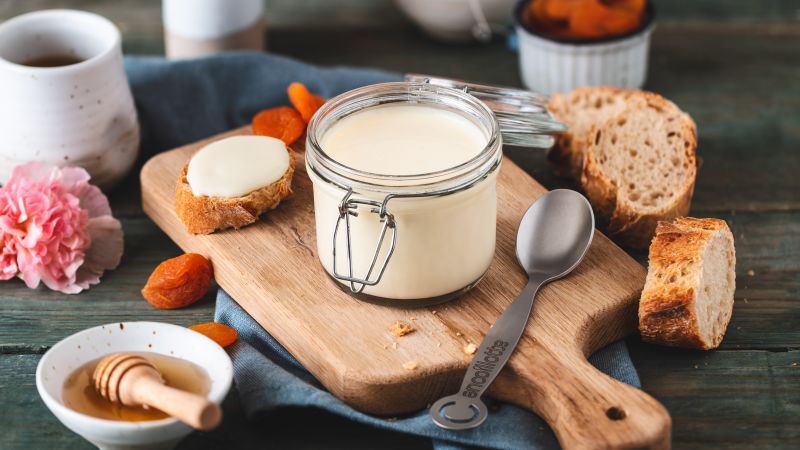
What makes Cancoillotte stand out is its nutritional profile. Unlike traditional French cheeses, which often pack 15 to 30 grams of fat per 100 grams, this dairy product boasts just 8 grams of fat and 16 grams of protein. It’s also significantly lower in calories—around 130 per 100 grams—making it a surprising favorite among health-conscious consumers. This contrast highlights a broader trend in France: the reevaluation of classic foods for their modern-day relevance. As Johan discovered, the cheese’s texture and versatility—whether spread on bread, mixed into dishes, or eaten directly from the pot—add to its appeal.
From Obscurity to Obsession: The Cheese’s History and Appeal
Though its popularity has surged in recent years, Cancoillotte is far from a new creation. Historical records suggest its origins date back over two millennia, with production rooted in the Swiss-French borderlands. The cheese was traditionally made as a byproduct of butter and cream production, using skimmed cow’s milk to craft a soft, gooey texture. Its name, derived from the French phrase “canne de la collotte,” references the cylindrical shape of the containers in which it was sold—a detail that adds to its charm.
Despite its ancient roots, Cancoillotte remained a regional specialty, overshadowed by more well-known cheeses like Brie or Camembert. But this is changing. The cheese’s unique qualities—its melt-in-your-mouth consistency and earthy, yeasty aroma—have begun to attract a wider audience. “It’s the best day of my life,” Johan says, reflecting on the day he first tasted it as a child in Lyon. Growing up, he associated Cancoillotte with hearty, wintry meals of roasted potatoes and meat, unaware of its nutritional benefits. His friend’s revelation at the gym, however, led to a reexamination of his habits and a newfound appreciation for the cheese’s versatility.
Cancoillotte’s production process is as intriguing as its history. Skimmed milk is fermented and coagulated, then transformed into curds that are drained, pressed, and aged at a precise temperature of 194°F (90°C). The result is a soft, spreadable cheese that can be enjoyed cold or warm, with a flavor profile that ranges from subtle and fruity to bold and rustic. This adaptability, combined with its nutritional advantages, has made it a standout in the evolving French dairy market.
Redefining Tradition: The Role of Social Media in the Cheese’s Rise
Johan’s influence is just one example of how social media is reshaping perceptions of traditional foods. His video, which has amassed over 2.2 million views, features him drizzling Cancoillotte over roasted potatoes and eating it by the spoonful. The clip’s simplicity and authenticity have resonated with viewers, turning the cheese into a symbol of health-conscious living. But the trend isn’t limited to him. Other creators have also contributed to Cancoillotte’s growing visibility, sharing recipes and lifestyle tips that highlight its place in a balanced diet.
The impact of these efforts has been measurable. According to Julie Morin, president of the Association for the Promotion of Cancoillotte, demand for the cheese surged by 25% in May alone. At Fromagerie Poitrey-La Belle Etoile, the cheesemaker where she serves as director, sales increased by 10% in the same period. “Sales skyrocketed thanks to this, and we actually ran out of stock,” Morin tells CNN. “We didn’t expect to be so successful on social media.” The association, founded in 2013, has played a key role in promoting the cheese, but the recent boom has been largely fueled by digital platforms.
Cancoillotte’s journey mirrors that of other niche products gaining traction through social media. The croissant-cookie hybrid known as the crookie and the Algerian hazelnut spread El Mordjene have also benefited from online exposure, proving that even seemingly obscure items can become cultural sensations. For Cancoillotte, this shift has been particularly striking. A cheese once dismissed as outdated or unrefined has now found a place in the hearts of modern consumers who value both taste and health.
Challenges and Opportunities in a Changing Market
Yet the cheese’s rise isn’t without hurdles. Some French consumers still view it as a relic of the past, calling it ringard—a term that means old-fashioned or outdated. Morin acknowledges this perception, noting that Cancoillotte is often seen as a product for older generations rather than a trendy option. “It’s true that it can be seen as an old product for older people, and not very modern,” she says. “It’s hard to pronounce, even for the French, and there are a few quirks that make it less mainstream.”
Despite these challenges, Cancoillotte’s unique selling points are proving hard to ignore. Its low-fat, high-protein formula aligns with contemporary dietary trends, while its rich, savory taste offers a departure from the milder profiles of many modern cheeses. For health-conscious buyers, it represents a way to indulge without compromising their goals. Meanwhile, for traditionalists, it’s a reminder of France’s deep-rooted dairy heritage. This duality has helped the cheese find a niche in a market that’s increasingly diverse.
As its popularity grows, Cancoillotte is also prompting broader discussions about the future of French food. The cheese’s success highlights a shift in consumer priorities, where nutritional value and cultural authenticity are valued as much as flavor and convenience. This could signal a larger movement toward reimagining classic ingredients for the modern palate. Whether as a spread, a dip, or a standalone snack, Cancoillotte’s adaptability ensures its place in the evolving story of French cuisine.
In a world where trends can rise and fall rapidly, the Cancoillotte story is a testament to the power of grassroots advocacy and the enduring appeal of tradition. While its origins are ancient, its relevance today is undeniable. As Johan’s words show, the cheese has the ability to transform not just diets, but perspectives on what constitutes a healthy and satisfying meal. With continued support from influencers and a growing appreciation for its qualities, Cancoillotte may soon be more than a regional specialty—it could become a national favorite.
