
3 hikers die of suspected heat-related illness during rising temperatures at Grand Canyon
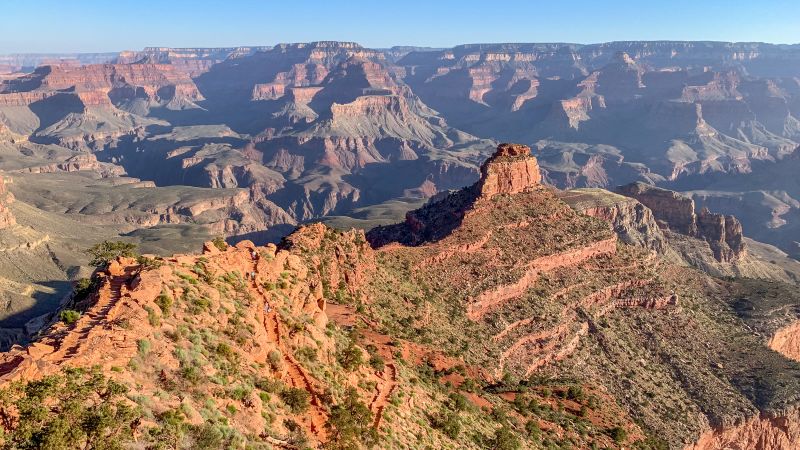
Three Hikers Die from Suspected Heat-Related Illness in Grand Canyon
3 hikers die of suspected heat – Three hikers succumbed to suspected heat-related illnesses as temperatures soared in the Grand Canyon during a recent heatwave. Federal officials announced on Friday that the fatalities occurred over the past week, with victims found in the canyon’s inner region. The extreme conditions, which saw shaded areas exceed 109°F (43°C), have raised concerns about the safety of hikers during prolonged exposure to high heat. The National Park Service has since issued warnings to emphasize the growing risks associated with the region’s climate.
Heatwave Intensifies Hiking Hazards
With temperatures climbing to dangerous levels, the Grand Canyon has become a hotspot for heat-related emergencies. The National Park Service noted that the inner canyon’s arid environment and direct sunlight amplify the risk for hikers, even those with experience. Officials recommend avoiding peak hours, typically between 10 a.m. and 4 p.m., and taking preventive measures like staying hydrated and wearing protective clothing. These steps are crucial for mitigating the dangers posed by the extreme conditions.
“The recent heatwave has shown how swiftly heat-related illnesses can escalate,” said a National Park Service spokesperson. “Our advisories are designed to help hikers recognize the signs and act quickly to prevent tragic outcomes.”
The first fatality occurred on June 12 when a 72-year-old man collapsed from heat exhaustion on the South Kaibab Trail. Despite immediate rescue efforts, including aerial assistance, the hiker passed away before medical aid could be administered. Two days later, on June 16, another pair of hikers—a 67-year-old man and a 68-year-old woman—also fell victim to suspected heat-related causes while exploring the North Kaibab Trail.
Factors Contributing to Fatalities
Authorities stated that the deaths were not isolated incidents but the result of multiple factors, including the heat, physical exertion, and delays in rescue response. The South Kaibab Trail, known for its steep descent and exposure to the sun, has seen a rise in emergency calls during the heatwave. Similarly, the North Kaibab Trail, which leads to the canyon’s rim, became a critical area for heat-related emergencies. The National Park Service is now reviewing how these conditions impact trail safety and response times.
The investigation into the fatalities is ongoing, with the victims’ remains being examined by the Coconino County Medical Examiner. While heat-related illnesses are the primary suspected cause, officials are analyzing weather data and hiker behavior to determine if additional contributing factors were at play. The park service has also highlighted the broader trend of rising temperatures in the region, linking it to climate change and its effects on outdoor safety.
Impact of Climate Trends on Hiking Safety
Climate scientists have warned that the Grand Canyon is experiencing more frequent and intense heatwaves, a consequence of global warming. These prolonged periods of high heat are not only threatening human health but also reshaping the canyon’s ecosystem. The National Park Service has connected the current incidents to this climate shift, noting that the canyon’s geography—its depth and surrounding desert—exacerbates the effects of rising temperatures. As a result, the need for updated safety protocols has become more urgent.
“Heatwaves are becoming more extreme, and their impact on hikers is increasingly severe,” added a climate researcher. “This year’s conditions have tested the limits of even the most experienced adventurers.”
In response to the tragedies, the park service is exploring ways to enhance emergency preparedness. This includes adjusting hiking schedules, improving signage, and increasing awareness campaigns. Officials also plan to release a comprehensive report detailing the circumstances of the incidents and recommending long-term strategies to protect hikers in future heatwaves.
As the investigation continues, the National Park Service has reiterated its advice for hikers: stay informed, carry essential supplies, and heed weather warnings. The agency emphasized that even brief exposure to extreme heat can lead to life-threatening conditions, underscoring the importance of vigilance in the canyon’s challenging environment. The three hikers’ deaths serve as a stark reminder of the need for proactive measures to combat the dangers of rising temperatures.
