
Tracking the reopening of the Strait of Hormuz, in live maps and charts
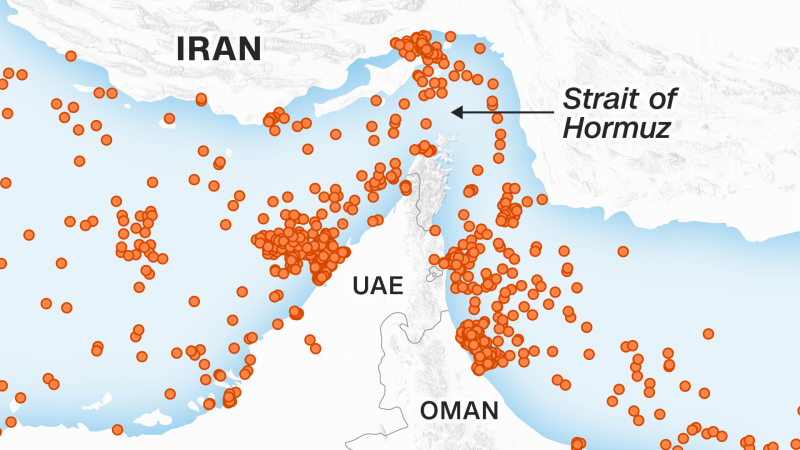
Tracking the Reopening of the Strait of Hormuz, in Live Maps and Charts
Tracking the reopening of the Strait – The agreement between the United States and Iran, finalized on June 17, outlines provisions for the resumption of commercial navigation through the Strait of Hormuz. According to the terms, the waterway—once a focal point of geopolitical tension—will see the immediate reinstatement of traffic flows. Marine Traffic data reveals that at least seven ships successfully traversed the strait on Thursday, marking a tentative step toward normalcy. This development is being closely monitored by CNN, which provides live updates through dynamic maps and interactive charts to illustrate the gradual return of maritime activity.
Strategic Significance of the Strait
The Strait of Hormuz, a narrow passage linking the Persian Gulf to the Arabian Sea, is a critical artery for global energy supplies. Before the conflict, approximately 20% of the world’s oil production passed through this vital route, making its closure a major disruption to international trade. The agreement’s emphasis on restoring traffic underscores the strategic importance of the strait, which has long been a flashpoint for regional and global powers. With the reopening, the focus shifts from conflict to cooperation, though challenges remain in ensuring sustained stability.
Under the memorandum of understanding (MOU), the United States has committed to lifting its naval blockade of Iranian ports by July 19. This move aims to ease the flow of goods and commodities, including oil, between Iran and the wider world. Meanwhile, Iran is expected to take “best efforts” to bring traffic volumes back to pre-war levels within the same timeframe. However, the agreement does not explicitly resolve the question of whether Iran will retain authority over the strait’s management. This ambiguity has raised questions about the long-term implications for maritime control and security in the region.
Live Updates and Traffic Monitoring
CNN is providing real-time tracking of the strait’s reopening, showcasing both the scale and pace of vessel movement. Interactive maps and data visualizations highlight the return of commercial ships, with the first week of the agreement offering a small but significant glimpse into the potential revival of activity. The platform updates continuously, reflecting changes in traffic patterns and any fluctuations in ship counts. For instance, the initial data from Marine Traffic shows a modest increase in vessel numbers, but analysts caution that this may not yet indicate full recovery.
Experts note that the strait’s reopening is not merely a logistical achievement but a symbolic gesture of restored diplomatic relations. However, the limited scope of the agreement—particularly the 60-day toll-free period—has sparked debate. During this window, ships can pass through the strait without paying fees, but the arrangement is temporary. This provision allows Iran and its Gulf neighbors to negotiate a new framework for the waterway’s governance, potentially paving the way for a more permanent solution. Yet, it also raises concerns about the financial burden on shipping companies if Iran imposes charges after the period expires.
The 60-day toll-free period is a key element of the agreement, designed to ease the transition back to normal operations. While this measure may encourage immediate shipping activity, it does not address the broader issue of who controls the strait’s tolls and tariffs. Iran has historically used the strait as a strategic asset, imposing fees to generate revenue and assert influence. The temporary exemption could be seen as a goodwill gesture, but its duration and conditions remain critical points of discussion among stakeholders.
Broader Implications for Regional Stability
The reopening of the Strait of Hormuz has broader ramifications beyond the immediate resumption of trade. For the Gulf region, the waterway’s accessibility is essential for economic recovery, particularly for nations reliant on oil exports. The United States’ commitment to lifting its naval blockade by July 19 is a step toward reducing tensions, but the agreement’s success will depend on Iran’s ability to maintain open channels and coordinate with neighboring countries. Analysts suggest that the process of establishing a new management framework will require careful negotiation and mutual trust.
Historically, the closure of the strait has caused significant disruptions, with Iran using it as a tool to pressure international shipping. The current agreement seeks to balance Iran’s interests with those of global partners, ensuring that the strait remains a conduit for commerce without being a weapon of economic warfare. However, the 60-day period introduces uncertainty, as it leaves the door open for Iran to reintroduce tolls and fees if negotiations stall. This creates a delicate situation where the strait’s functionality is tied to the progress of ongoing talks.
International observers are watching closely to see how the agreement unfolds. The United States and Iran have agreed to a timeline for lifting the naval blockade, but the long-term control of the strait remains unresolved. This ambiguity has led to speculation about the potential for future disputes, particularly if Iran perceives its economic interests as threatened. Meanwhile, the Gulf neighbors—Saudi Arabia, the United Arab Emirates, and others—are likely playing a key role in shaping the new arrangement, ensuring that the strait remains a shared resource rather than a contested territory.
As the 60-day toll-free period nears its end, the focus will shift to whether a sustainable agreement can be reached. The initial success of the reopening is a positive sign, but the long-term viability of the strait’s operations hinges on the ability of all parties to agree on a cooperative framework. CNN’s ongoing coverage of the situation will provide critical insights into how this fragile truce evolves and whether it can lead to a lasting solution for the region’s energy and trade challenges.
“The agreement ensures that commercial traffic will resume without delay, but the question of who governs the strait’s tolls remains unresolved,” noted a maritime analyst in a recent assessment. “This temporary measure may provide immediate relief, but it does not eliminate the potential for future conflicts over control.”
With the Strait of Hormuz slowly reopening, the world watches for signs of sustained cooperation. The 60-day period offers a window of opportunity, but the outcome will depend on the effectiveness of the new arrangement and the commitment of all involved parties. For now, the gradual return of vessels through the waterway signals a cautious but hopeful step toward stabilizing the region’s vital maritime routes.
CNN’s live maps and charts are invaluable tools for tracking the progress of this reopening. By visualizing the movement of ships and comparing data to pre-war levels, the network provides a transparent look at the agreement’s impact. As the first week of the truce passes, the data will offer key indicators of whether the strait can once again serve as a lifeline for global energy markets. The success of this initiative will have lasting consequences for the Gulf’s economy and international relations.
Ultimately, the agreement represents a significant but tentative achievement. While the immediate resumption of commercial traffic is a positive development, the long-term management of the strait will determine its effectiveness as a peaceful trade route. The United States and Iran have set a deadline for their commitments, but the broader implications of their cooperation will be shaped by the decisions made in the weeks and months to come. For now, the reopening of the Strait of Hormuz stands as a testament to the potential for diplomacy to ease tensions in a volatile region.
