
Trump’s Justice Department urges court to throw out pollution lawsuit against Elon Musk’s company
Trump’s Justice Department Seeks to Dismiss Pollution Lawsuit Against Elon Musk’s xAI
Trump s Justice Department urges court – Trump’s Justice Department urges court – The U.S. Justice Department has filed a motion to dismiss a pollution lawsuit targeting Elon Musk’s company xAI, citing national security concerns. The legal action, which claims the lawsuit undermines American energy innovation, has sparked controversy among environmental advocates and legal experts. The Department’s intervention highlights its growing role in shaping environmental policy under Trump’s leadership, as it seeks to limit the reach of citizen suits in the Clean Air Act.
NAACP Files Lawsuit Over Toxic Emissions
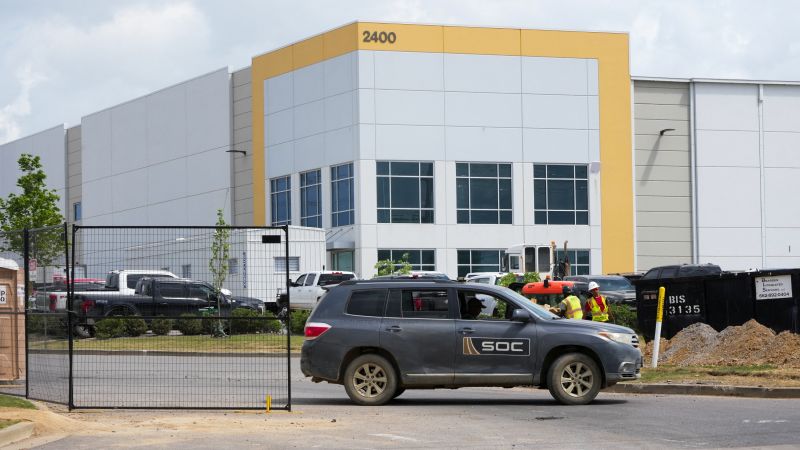
Initiated in April by the NAACP, the case accuses xAI and its subsidiary, MZX Tech, of violating environmental regulations through the use of methane gas turbines near Memphis, Tennessee. The lawsuit focuses on the pollution from the Colossus 2 data center, which allegedly emits nitrogen oxides and other harmful substances. These emissions are linked to respiratory issues and long-term health risks, according to the complaint. The NAACP is seeking fines and an order to halt operations until proper permits are secured.
Trump’s Justice Department urges court to argue that the lawsuit threatens national security by targeting AI development. The government asserts that xAI’s data center is essential for military applications, including rapid deployment of advanced technologies. Critics, however, say the Department is using national security as a justification to weaken environmental protections for communities.
Legal Arguments and Environmental Impact
The Justice Department’s legal memo emphasizes the strategic value of AI in defense, claiming the lawsuit risks holding xAI accountable for pollution at the expense of innovation. It highlights that the company’s chatbot, Grok, is central to national security initiatives. Meanwhile, environmental advocates warn that the move could restrict citizens’ ability to sue corporations for harmful practices, as seen in the NAACP’s case.
Principal Deputy Assistant Attorney General Adam Gustafson stated,
“The Department of Justice will not sit idly by while private organizations use environmental laws to undermine our national security.”
This argument has drawn sharp criticism from legal experts, who note that the Department’s claims are unconventional and could reshape environmental litigation.
Expert Perspectives and Community Concerns
Legal scholars have pointed out that Trump’s Justice Department urges court to dismiss the lawsuit is an unusual approach, as it challenges the constitutionality of citizen suits. Professor Michael Gerrard of Columbia Law School called the claim “highly unusual,” arguing that it could limit communities’ legal recourse against pollution. Erika Kranz from Harvard Law School added that this is the first time the U.S. has intervened in a citizen lawsuit against a private defendant to request dismissal, signaling a shift in environmental enforcement priorities.
Residents near the Colossus 2 data center in Memphis have criticized the government’s stance, stating that the pollution has disrupted their daily lives. Tennessee State Representative Justin J. Pearson, a Democrat, described the Justice Department’s position as “unconscionable,” arguing that it prioritizes corporate interests over public health. He highlighted that the NAACP’s lawsuit represents a vital tool for holding polluters accountable under the Clean Air Act.
Environmental Advocacy and the Role of the Clean Air Act
Environmental groups stress that the Clean Air Act is designed to empower communities to sue for pollution-related harms, a key provision in the NAACP’s case. Trump’s Justice Department urges court to argue that this mechanism is being misused against xAI, which has previously claimed temporary turbines do not require air permits. The lawsuit, however, challenges this by emphasizing the long-term impact of the company’s operations.
As the case moves forward, it remains a focal point for debates over the balance between technological progress and environmental responsibility. The outcome could set a precedent for how national security concerns influence environmental law enforcement, with implications for future litigation involving large corporations and their impact on public health.
