
US says Iran was always supposed to fly back to Mexico immediately after World Cup match, despite coach’s complaints
US Says Iran Was Always to Return to Mexico After World Cup Match
Coach’s Complaints Highlight Tensions Amid Immediate Return Plan
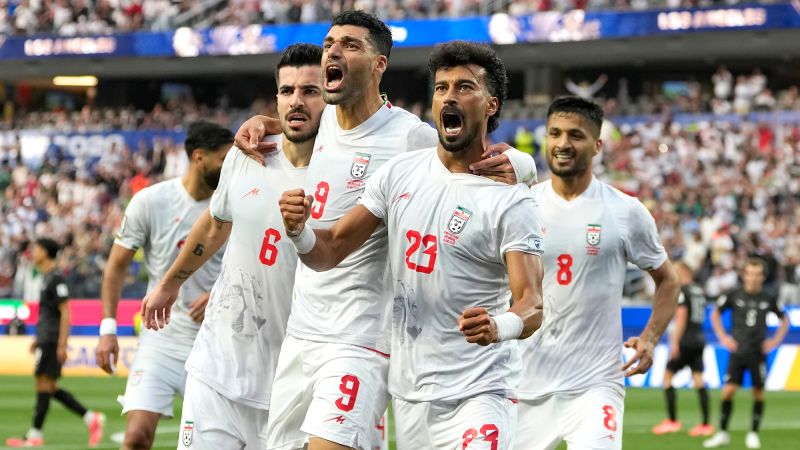
US says Iran was always supposed – The U.S. government has confirmed that Iran was always intended to return to Mexico promptly following its World Cup match, despite the team’s coach expressing concerns about the rushed schedule. The Iranian men’s national soccer team’s decision to depart Los Angeles shortly after their opening game against New Zealand sparked debate, but officials emphasize that the timing of their return to Tijuana was part of the prearranged plan. The team’s early departure, which occurred the same evening as the match, has drawn criticism from the coaching staff, who argue that the abrupt move left them with little time to recover.
“After the game today, they said to us, ‘You have to leave immediately,’” remarked Coach Amir Ghalenoei, as reported by the Associated Press. “It’s very important for us to have time for recovery, but we were asked to get on a plane and return to our training base in Tijuana that same evening. We are really troubled by that.”
Ghalenoei’s comments reflect the team’s surprise at the decision, which contradicts initial expectations of an overnight stay in California to prepare for future matches. The U.S. maintains that the arrangement was deliberate, aligning with broader logistical strategies to manage the tournament’s timeline.
Historical Context of U.S.-Iran Tensions and Sports Diplomacy
The immediate return requirement underscores the complex relationship between the U.S. and Iran, which has seen geopolitical strains impact international sports participation. Iran’s presence in the World Cup has been a focal point of diplomatic friction, with the team’s participation serving as a symbol of the ongoing conflict. Despite these tensions, the squad has committed to playing their fixtures as scheduled, including matches against Belgium and Egypt, even as they navigate the challenges of a U.S.-based setup.
Logistical hurdles have compounded the team’s difficulties. Visa restrictions and travel bans have limited the ability of Iranian fans to attend games, while FIFA’s actions, such as revoking Iran’s ticket allotment, added further strain. These issues highlight how sports diplomacy can be influenced by political decisions. The U.S. task force overseeing the World Cup explained that the early return was necessary to maintain the team’s readiness for subsequent matches, but the coach’s frustration suggests a disconnect in communication between the two sides.
“We don’t know why they are returning us, to be honest,” Ghalenoei added. “It seems like others are doing the planning for us. The decision-making for us is being made elsewhere.”
This sentiment echoes the team’s broader sense of being treated as a political entity rather than a purely athletic group. The shift from Tucson to Tijuana, a move made to comply with U.S. requirements, has disrupted their preparation and created a sense of uncertainty around their participation in the tournament.
The U.S. says Iran was always to return to Mexico immediately after the World Cup match, a decision framed as essential for the tournament’s operational efficiency. However, the team’s coaching staff argues that the lack of flexibility has undermined their ability to perform at their best. With limited time for rest and recovery, the players face additional pressure as they prepare for their next game. This situation has raised questions about whether the U.S. is prioritizing logistical convenience over the athletes’ well-being and the spirit of international competition.
FIFA’s Role and Broader Implications for International Sports
FIFA’s involvement in the Iran-U.S. situation has further complicated the narrative. The organization’s decision to revoke Iran’s ticket allotment has affected the team’s access to fans and facilities, adding another layer to the challenges they face. While the U.S. says Iran was always to return to Mexico immediately after the World Cup match, the team’s experience highlights the vulnerability of international sports events to political dynamics. The timing of their departure has also raised questions about the coordination between FIFA and U.S. authorities.
The controversy surrounding Iran’s return to Mexico has sparked discussions about the role of sports in geopolitics. While the U.S. claims the move was necessary, the coach’s complaints suggest that the team felt sidelined from the decision-making process. This incident may serve as a case study in how political tensions can influence the logistical and emotional aspects of sports participation. As the tournament progresses, the focus remains on whether the U.S. says Iran was always to return to Mexico immediately after the World Cup match, and whether this approach aligns with the goals of fostering international camaraderie through sports.
