
Instant noodles have a bad reputation — but the world still can’t get enough of them
Instant Noodles Have a Bad Reputation — But the World Still Can’t Get Enough of Them
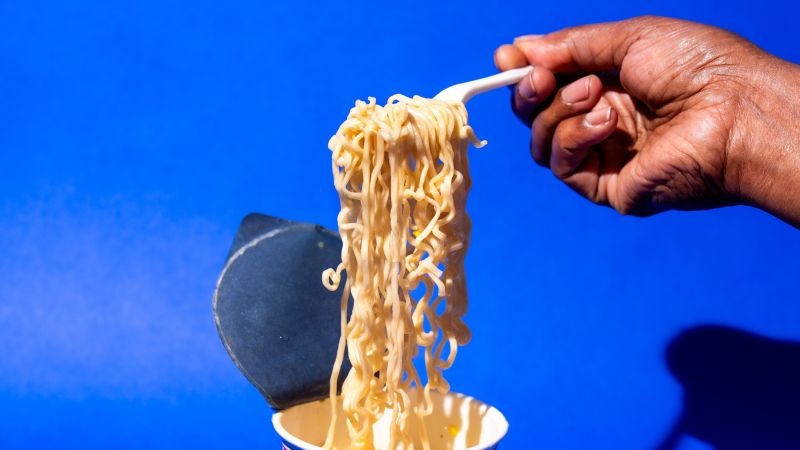
Instant noodles have a bad reputation – When a health-focused partner steps away for a business trip, the kitchen often becomes a battleground for indulgence. For me, this means scrapping plans for gourmet dinners and scrounging through the pantry for familiar favorites: American cheese, thick slices of Spam, and a few frozen dumplings—each destined for the same bowl of instant noodles. These vibrant, salty packages have been a staple in the lives of millions, from fictional characters in “KPop Demon Hunters” to exhausted chefs working late shifts and even a former colleague who used them to fund her engagement ring. Despite their reputation as a quick fix for cravings, instant noodles remain deeply embedded in global cuisine, serving as both a convenience and a comfort.
The Science of Obsession
While health experts have long warned about the nutritional drawbacks of instant noodles, their appeal persists. Studies continue to uncover links between frequent consumption and conditions like dementia, heart disease, and hormonal disruptions, yet these findings rarely deter their popularity. Even a food scientist once shared a heartfelt concern, declining to participate in the story for fear their expertise might unintentionally boost the noodles’ allure. This paradox raises a question: How does a food that’s widely criticized still dominate global markets?
Scientists point to the addictive nature of ultra-processed foods as a key factor. These products, including instant noodles, are engineered to deliver high energy density and hyperpalatable combinations of salt, sugar, fat, and carbohydrates. Such characteristics make them irresistible, ensuring a steady stream of consumers from the hurried to the hungry. But the manufacturers offer a more nuanced perspective, emphasizing the universal values their products provide: delicious taste, convenience, long shelf life, affordability, and safety. “The reason instant noodles have been widely embraced as a ‘comfort food’ lies in their ability to satisfy these fundamental needs,” explains a representative from Nissin Foods Group, echoing the five core values established by the company’s founder, Momofuku Ando.
The Birth of a Global Phenomenon
The journey of instant noodles began in the 1950s, in a modest wooden shed in Osaka, Japan. Momofuku Ando, the visionary behind this innovation, was driven by the challenge of post-war food scarcity. Observing his wife deep-fry tempura, he realized that quick flash-frying could preserve noodles’ texture, allowing them to be instantly rehydrated with hot water. This insight led to the creation of “Chikin Ramen” in 1958, marking the debut of the world’s first instant noodles. The invention was a turning point, transforming a humble solution into a global phenomenon.
Just two years after its inception, Nissin Foods expanded its reach, opening its first overseas factory in Pennsylvania, USA. This strategic move paved the way for the company’s dominance in international markets. By 1971, Nissin had introduced its first cup noodles, revolutionizing the way people consumed meals on the go. These innovations not only simplified preparation but also broadened the appeal of instant noodles, making them accessible to a wider audience.
Today, the demand for instant noodles has reached unprecedented levels, with an estimated 123 billion servings consumed annually worldwide. China leads the consumption tally, devouring approximately 43,802 million packs each year—far surpassing Indonesia’s 14,680 million and India’s 8,320 million. However, when measured per capita, Vietnam emerges as the undisputed champion, with its citizens consuming an average of 81 servings annually. South Koreans follow closely at 79 servings, while Thailand ranks third with 58 servings per person. This data underscores the diverse roles instant noodles play across cultures, from a budget-friendly staple in developing nations to a luxury item in some regions.
From Hunger to Luxury: A Cultural Shift
The evolution of instant noodles reflects a broader narrative of how food can transition from necessity to indulgence. In Vietnam, for instance, the dish has deep culinary roots, and as the economy has grown, so too has the demand for quick, affordable meal solutions. “In Vietnam, noodles have long been rooted in the country’s culinary culture, and as the economy continues to grow, demand for convenient options is also increasing,” a representative from the World Instant Noodles Association (WINA) notes. This sentiment highlights the balance between tradition and modernity in the noodle industry.
Despite their health concerns, instant noodles have not only survived but thrived. The global market is projected to grow significantly, expanding from $64.67 billion in 2025 to $98.46 billion by 2032. This growth is driven by a combination of factors: affordability, convenience, and the enduring psychological comfort they provide. While some may argue that clean eating movements are shifting consumer preferences, the instant noodle industry remains resilient, adapting to new trends without losing its core appeal.
Looking ahead, the future of instant noodles appears bright. Manufacturers are increasingly aware of evolving tastes and are introducing healthier variants, such as reduced-sodium versions and plant-based alternatives. Yet, the fundamental allure of the original product—its ability to deliver a satisfying, fast meal—continues to resonate with people across the globe. Whether enjoyed as a budget-friendly option or a gourmet treat, instant noodles have secured their place in the world’s food landscape, proving that convenience and comfort can be as powerful as nutrition.
Why We Can’t Stop Eating Them
As the world embraces plant-based diets and wellness trends, the question remains: Why do we still crave instant noodles? The answer lies in their unique ability to satisfy both practical and emotional needs. They offer a solution to time constraints, a taste of nostalgia, and a sense of familiarity in an ever-changing culinary world. The balance between their simplicity and versatility ensures they remain a go-to choice for millions, even as the conversation around their health impact continues.
Ultimately, the success of instant noodles is a testament to human ingenuity and adaptability. From a wartime necessity to a global industry, they have evolved while maintaining their core appeal. Their story is one of resilience, innovation, and the enduring power of a single, transformative idea: that food can be both a lifeline and a luxury, all in one package.
