
Grand juror called DOJ’s controversial Chicago protest indictment ‘a crock’ before it was approved, transcript shows
Chicago Protest Indictment Called ‘Crock’ by Grand Juror, Transcript Reveals
Grand Juror’s Doubts Surface in DOJ’s Controversial Case
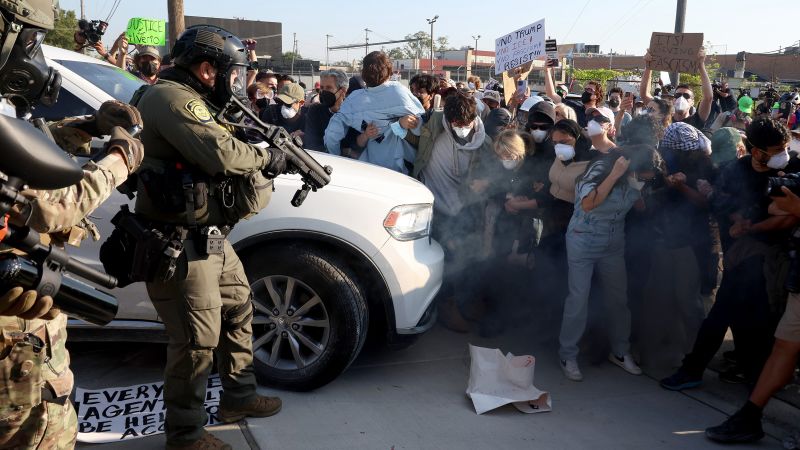
Grand juror called DOJ s controversial – The newly released transcripts from the October 2026 Chicago grand jury sessions have highlighted the skepticism of a juror toward the Justice Department’s controversial indictment of six Democratic officials. Known as the Broadview Six, these individuals were charged with protesting at a federal immigration detention facility. The records show that the juror expressed clear doubts about the case’s validity, questioning whether the DOJ had presented sufficient evidence to justify the charges. This skepticism came after the grand jury had already rejected the indictment in a prior session, leading prosecutors to seek another opportunity to present their case.
Prosecutors’ Tactics and Juror Removal
Following the initial rejection, prosecutors pushed for a second hearing, emphasizing the need to secure a conviction. The federal judge overseeing the case approved the release of selected transcript pages, which captured the tense interactions between the DOJ and the grand jury. Legal analysts noted that the removal of a skeptical juror, just days before the indictment’s approval, raised concerns about the influence of political factors on the legal process. This move left the grand jury without a full vote, with the final approval achieved in its third session, despite earlier doubts.
Transcript Highlights Political Skepticism
The transcript includes a key moment when the grand juror dismissed the case as “a crock of shit,” echoing their earlier skepticism. This remark, made during a pivotal discussion, suggests that some jurors felt the indictment was politically motivated rather than grounded in solid evidence. The prosecutor responded by challenging the juror’s open-mindedness, prompting a debate over whether the grand jury was being manipulated to align with the DOJ’s agenda. The term “crock” was used explicitly in the juror’s statement, underscoring their frustration with the legal process.
“I heard this case like last week and I thought it was a crock of shit then and still do,” the juror stated, capturing a growing unease among members about the indictment’s legitimacy.
Legal Challenges and Public Scrutiny
The controversy surrounding the Broadview Six case has intensified as legal experts and critics scrutinize the DOJ’s approach. A federal judge criticized the prosecutors for exerting undue influence, noting that they had removed a juror who planned to vote against the charges. This action sparked debates about the impartiality of the grand jury and the role of political considerations in shaping prosecutorial decisions. The transcripts reveal that the case was not the only one under review during the October sessions, with multiple other cases also drawing attention from the jurors.
Defense Argues for Political Bias
Christopher Parente, one of the Broadview Six’s attorneys, has accused the DOJ of weaponizing the grand jury process to advance a political agenda. He claims the transcript provides “proof” of the jury’s repeated attempts to reject the “sham” indictment. The defense argues that the DOJ’s actions compromised the integrity of the legal system, using it as a tool to justify charges that lack evidentiary strength. This pattern of behavior has been observed in at least two other cases in the Northern District of Illinois, where similar accusations of political bias are being raised.
Leadership Under Fire and Reforms
The Broadview Six case has placed Andrew Boutros, the head of the US Attorney’s Office, under increased scrutiny. Critics argue that his leadership has allowed political considerations to shape prosecutorial strategies, despite efforts to downplay partisan motives. The acting Attorney General, Todd Blanche, recently endorsed Boutros’s reforms, but the transcripts have fueled doubts about the effectiveness of these changes. As the controversy continues, the DOJ faces pressure to ensure transparency and fairness in its handling of politically charged cases, with the focus keyword “Grand juror called DOJ s controversial” resonating strongly in public discourse.
