
Vance recommends DOJ criminal investigation into Tim Walz and Minnesota AG over state’s fraud scandal
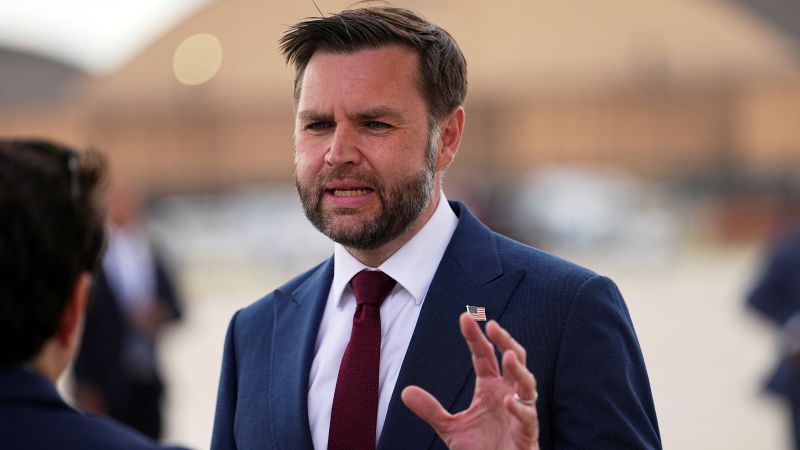
Vance Proposes DOJ Criminal Probe into Minnesota’s Fraud Allegations
Vance recommends DOJ criminal investigation into – JD Vance, the White House’s anti-fraud task force leader, has forwarded accusations of involvement in Minnesota’s fraud case to the Department of Justice. These allegations implicate Democratic Governor Tim Walz and Attorney General Keith Ellison, with the focus on potential complicity in a widespread scheme involving state welfare programs. The referral follows a detailed report by the House Oversight Committee, which highlights systemic failures in the state’s oversight mechanisms and claims that officials delayed corrective measures despite clear signs of misconduct.
House Oversight Committee’s Findings
The House Oversight Committee’s report, released earlier this week, outlines a pattern of negligence in Minnesota’s government. It states that fraud warnings were escalated to higher levels of the administration, yet decisive actions were postponed or ignored. As a result, payments continued unchecked even after credible evidence of wrongdoing surfaced. In a letter to Vance, Committee Chair James Comer urged the task force to scrutinize the integrity of Minnesota’s social services, including its reimbursement systems, enrollment processes, and oversight protocols from 2019 to the present.
Vance’s Direct Action
Vance, who has been labeled the administration’s “fraud czar,” confirmed the referral in a post on X on Monday night. He highlighted that the allegations involve top state officials and their potential roles in facilitating fraud, withholding truthful information, or intimidating whistleblowers. “Minnesota state officials are not above the law,” he wrote, emphasizing that those found guilty of criminal behavior should face justice. This statement underscores the White House’s commitment to holding state leaders accountable for alleged misconduct in the program.
Walz’s Political Dilemma
The scandal has intensified pressure on Tim Walz, the former Democratic vice presidential candidate who was vying for a third term as governor. While Walz initially dismissed Republican claims that his administration overlooked financial abuses, the allegations gained traction after he announced his withdrawal from the race in January. This decision marked a significant shift in his political strategy, as the controversy deepened and drew national attention.
The Role of a Viral Video
A pivotal moment in the controversy occurred late last year when a 23-year-old conservative content creator released a video on YouTube asserting that Somali-run childcare centers in Minnesota were misusing taxpayer funds. Though the video lacked substantial evidence, it quickly amassed millions of views, fueled by social media platforms and amplified by prominent figures like Vice President JD Vance, FBI Director Kash Patel, and tech billionaire Elon Musk. The video’s reach sparked renewed scrutiny of the state’s welfare spending and led to calls for a broader investigation into program integrity.
Trump’s Response and Political Fallout
The allegations have galvanized the Trump administration and state GOP leaders, who have framed the scandal as an opportunity to target wasteful spending in social services. They argue that Minnesota’s welfare programs have been mismanaged, with taxpayer dollars distributed without proper oversight. The public backlash has been fierce, with critics accusing the state government of enabling fraud through systemic inaction. This narrative has been reinforced by the bipartisan nature of the investigation, which aims to assess whether officials across party lines contributed to the issue.
Expanding the Scope of the Inquiry
Vance’s actions suggest that the focus may extend beyond Minnesota. In a recent interview with Fox News, he hinted at the possibility of criminal referrals in other states, including California, as part of a national effort to address fraud. “When I hear about a report that says to the governor, here’s all this fraud, and he doesn’t do anything about it,” Vance explained, “I ask myself, was anybody engaged in criminal wrongdoing? Again, I’m not going to say yes, but I am going to promise the American people we’re going to look into that stuff, we’re going to investigate it, and we’re going to take it seriously.” This statement reflects the administration’s broader strategy to examine similar cases nationwide.
Context of the Fraud Allegations
The Minnesota fraud scandal centers on the state’s social services, particularly its welfare programs. According to the report, officials failed to act on early red flags, leading to prolonged payments for services that may not have been delivered as intended. The Department of Justice’s fraud division, led by Assistant Attorney General Colin McDonald, will now evaluate the evidence to determine if criminal charges are warranted. This process will involve reviewing records, testimonies, and financial data to establish a clear connection between state officials and the alleged fraud.
Reactions from Minnesota Officials
While the allegations have been a focal point of political discourse, the state officials involved have yet to issue a formal response. CNN has contacted Walz and Ellison’s offices for comments on the criminal referral and the House Oversight Committee’s findings. The delay in their reaction has raised questions about the administration’s transparency and willingness to address the claims directly. In the absence of a clear statement, the public and media continue to speculate on the implications of the investigation.
Broader Implications for State Governance
The referral to the DOJ signals a shift in the White House’s approach to state-level fraud investigations. By directing the federal agency to take over the review, the administration is leveraging its authority to ensure a rigorous examination of the issue. This move also highlights the importance of accountability in state programs, particularly those involving taxpayer-funded services. The case could set a precedent for future investigations, with the potential to impact how states manage their social service budgets and oversight mechanisms.
Public Perception and Political Strategy
The controversy has reshaped public perception of Minnesota’s leadership and its commitment to fiscal responsibility. For Walz, the allegations have added a layer of complexity to his political career, forcing him to defend his administration’s actions while navigating a loss of campaign momentum. Meanwhile, Ellison, as attorney general, faces scrutiny for his role in overseeing the state’s welfare system. The situation underscores the high stakes of the fraud scandal, which has become a flashpoint for debates about government accountability and the proper use of public funds.
Future Steps and Potential Outcomes
As the DOJ embarks on its investigation, the outcome could have far-reaching consequences for Minnesota and other states under review. The findings may lead to charges against officials, prompting legal proceedings and reshaping the political landscape. Vance’s public statements indicate a determination to not only uncover wrongdoing but also to ensure that those responsible face appropriate consequences. This approach aligns with the administration’s broader agenda to emphasize transparency and combat fraud across all levels of government.
Meanwhile, the national spotlight on Minnesota’s welfare programs has sparked discussions about the role of state governments in managing public resources. Critics argue that the current system allows for oversight lapses, while supporters of the administration contend that the allegations demonstrate the necessity of federal intervention. As the investigation unfolds, the case will serve as a test of how political leaders respond to charges of misconduct and whether they are prepared to take accountability for their actions.
With the DOJ now tasked to evaluate the claims, the case has moved from political debate to legal scrutiny. The process will likely take several months, during which the evidence will be examined closely. If the investigation confirms the allegations, it could result in criminal charges against state officials, potentially reshaping the political narrative around Minnesota’s welfare system. For now, the referral stands as a critical step in the effort to hold leaders accountable and address the broader issue of fraud in state programs.
Conclusion
The Minnesota fraud scandal, now under federal review, exemplifies the intersection of politics and law. By referring the case to the DOJ, Vice President Vance has signaled a commitment to thoroughness, ensuring that the allegations are investigated with the same rigor as those in other states. The process may take time, but its implications are significant. Whether the outcome leads to criminal charges or reinforces the need for reforms, the case has already impacted the state’s political landscape and the national conversation about governance and accountability.
