
Exclusive: EPA scientists say they are being pushed to downplay potential risks of household products
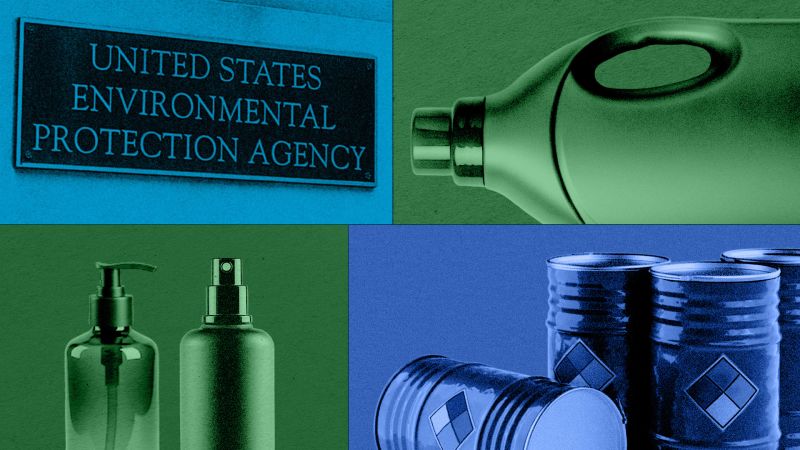
Exclusive: EPA Scientists Report Political Pressure to Downplay Chemical Risks
Exclusive reports from within the Environmental Protection Agency (EPA) reveal growing concerns among scientists about the influence of political directives on their work. Under the Trump administration, a number of EPA experts have claimed they are being encouraged to revise their assessments of household chemicals, such as those found in cleaning products and personal care items. This shift, they say, involves reevaluating risk factors to align more with policy goals than scientific consensus, potentially affecting how chemicals are judged for safety. The changes, according to insiders, are reshaping risk analysis in a way that could obscure the true impact of these substances on public health and the environment.
Revised Risk Assessment Frameworks
Exclusive insights from EPA employees indicate that internal guidance has been given to focus on scenarios that emphasize minimal exposure. For instance, instead of analyzing prolonged or frequent contact with a chemical, some scientists are being instructed to consider isolated incidents or limited exposure. This approach, they argue, reduces the perceived danger of products already in use, making them appear safer than they might be. “We’re told to look for the lowest risk scenarios,” said one former employee, “even if that means ignoring the full picture of how these chemicals are commonly used.”
“The key is to find the smallest exposure that still allows a chemical to be deemed safe,” an internal memo cited in the report stated. “This way, the risk is minimized, and the product can move forward with less regulatory scrutiny.”
Political Priorities Over Scientific Rigor
Exclusive evidence suggests that the EPA’s focus has shifted to align with the administration’s broader goals of deregulation. Scientists report that their findings are being scrutinized not just for accuracy, but to fit a narrative that supports industry interests. This includes downplaying risks that could lead to stricter regulations or higher costs for manufacturers. “The pressure is clear: if a chemical is found to be harmful, we need to adjust the data,” said a current staff member. “It’s not just about the science anymore—it’s about the political outcome.”
Exclusive interviews highlight how this trend has affected the EPA’s internal dynamics. Senior researchers, once trusted to lead risk evaluations, are now being sidelined in favor of political appointees. This creates a challenge for scientists who must balance their professional judgment with the need to satisfy administrative priorities. “You can’t always argue when the decision-makers are higher up,” another employee noted, emphasizing the growing tension between scientific integrity and political influence.
EPA’s Stance on Regulatory Adjustments
In response to the claims, the EPA issued an exclusive statement to CNN, asserting that its scientific process remains robust. The agency explained that adjustments to risk assessments are part of a broader effort to ensure consistency with regulatory standards and industry practices. “Our goal is to apply the most relevant exposure data,” the statement said, “so that safety evaluations are practical and based on real-world usage.”
Exclusive details from the EPA’s internal documents show that this process includes recalibrating models to reflect more conservative assumptions about chemical exposure. While the agency maintains that these changes are methodical, critics argue they are being used to justify a more lenient stance on chemicals that have been flagged for long-term health risks. “The science is still there, but the interpretation is being shaped by political goals,” said an anonymous source, pointing to a possible disconnect between data and decision-making.
Industry Support and Public Backlash
Exclusive analysis of industry reactions reveals widespread support for the EPA’s new approach. Manufacturers of household products have praised the agency’s willingness to adapt risk assessments, arguing that the changes reflect a more efficient regulatory system. “This allows us to bring products to market faster,” said a representative from a major cleaning product company. “It’s about making the process workable for businesses and consumers.”
Exclusive reports also highlight growing public concern. Environmental advocates warn that the revised methods may understate the risks of chemicals linked to respiratory issues, hormonal disruptions, and long-term ecological damage. “If we don’t trust the EPA’s process, how can we trust the safety of the products we use daily?” asked a public health activist. The debate underscores the challenge of maintaining scientific credibility while navigating political pressures—particularly in an exclusive context where transparency is key.
