
Vulnerable Republicans increasingly willing to defy Trump’s agenda as midterms approach
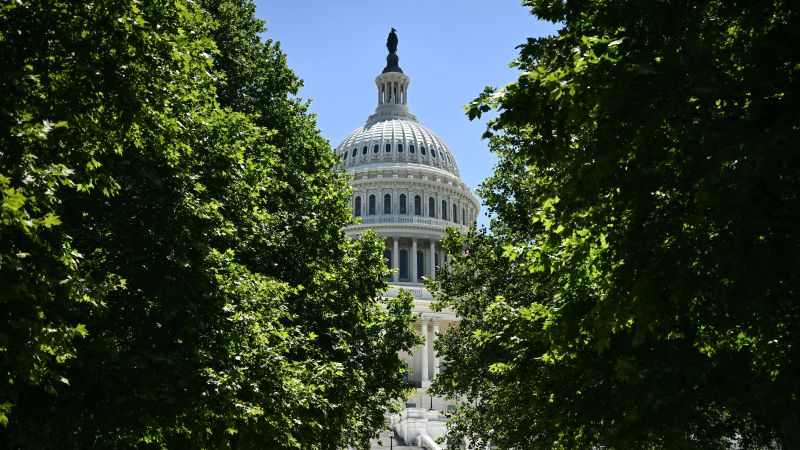
Vulnerable Republicans Defy Trump’s Agenda Amid Midterm Pressures
Vulnerable Republicans increasingly willing to defy – Vulnerable Republicans are showing greater readiness to challenge Trump’s political direction as the November midterms loom. Despite his enduring presence in the GOP, the unity of his supporters in Congress is beginning to unravel. Many lawmakers are shifting their focus from blind allegiance to Trump toward safeguarding their electoral prospects. This growing reluctance to follow his lead has intensified as key issues like immigration, economic policy, and foreign conflicts come to a head.
Senate GOP Divided Over Trump’s Funding Demands
Recent legislative efforts in the Senate highlight the tension between Trump’s priorities and the party’s internal dynamics. A major funding bill for border security was narrowly passed, but not without signs of fracture. While the proposal secured $70 billion for Immigration and Customs Enforcement, several senators objected to Trump’s insistence on a $1.8 billion settlement fund. Critics argue this provision is a tool to reward loyalists, pushing moderates to question their alignment with the former president. The debate underscores how vulnerable Republicans are now prioritizing their own political viability over Trump’s directives.
“Trump’s demands are creating a rift, as some senators feel the pressure to compromise their values for survival,” noted a congressional analyst. This sentiment is growing as the party’s leadership struggles to maintain cohesion.
Economic Priorities Take Center Stage
As the midterms approach, economic concerns are increasingly shaping the decisions of Republican lawmakers. Many are emphasizing relief for constituents, arguing that Trump’s policies focus more on partisan goals than on addressing inflation and energy costs. One insider described the frustration of lawmakers who believe Trump’s agenda is driven by retribution rather than practical solutions. This shift in focus is evident in the Senate, where even staunch Trump allies are now voting against elements of his policy to appeal to broader voter bases.
Vulnerable Republicans are also leveraging Trump’s recent moves, such as his support for a Texas GOP primary candidate, to justify their dissent. The decision to back a less qualified candidate has been criticized as a strategic miscalculation, with some lawmakers citing it as a direct cause of their own potential defeat. This growing defiance reflects a broader realignment within the party, as members seek to balance loyalty to Trump with the need to attract independent voters.
House Republicans Challenge Trump’s War Strategies
House Republicans have taken more direct action against Trump’s foreign policy initiatives, particularly his approach to the Iran war. For the first time since the conflict began in February, the chamber voted to authorize a withdrawal, signaling a bipartisan move away from Trump’s aggressive stance. Over 20 members of the GOP joined this effort, despite the president’s support for continued military engagement. These actions demonstrate how vulnerable lawmakers are now using their votes to distance themselves from Trump’s controversial decisions.
“The House’s move shows a willingness to defy Trump on major issues, even if it means breaking ranks,” said a political strategist. This trend is further exemplified by the Senate’s symbolic votes on the immigration bill, where a dozen lawmakers opposed key components of the president’s agenda to signal their independence.
The Rise of Independent Republican Voices
As the midterms near, the voices of vulnerable Republicans are becoming more influential. These lawmakers, often referred to as “YOLO” senators due to their bold political bets, are challenging Trump’s leadership to secure re-election. Their actions include voting against his preferred policies, such as strict voter ID laws and his East Wing project, to appeal to a wider audience. This growing defiance is reshaping the party’s strategy, with some leaders now seeking to accommodate moderate demands rather than insisting on full loyalty to Trump’s vision.
Despite these challenges, Trump remains a dominant figure in the GOP. However, his grip on the party is loosening, particularly among those facing tight races. The balance of power is shifting, with vulnerable Republicans increasingly willing to defy the former president’s agenda to align with public sentiment and secure their futures in November. This realignment could have significant implications for the party’s overall direction and its ability to maintain control of Congress.
