
Tracking the major Supreme Court cases of 2026
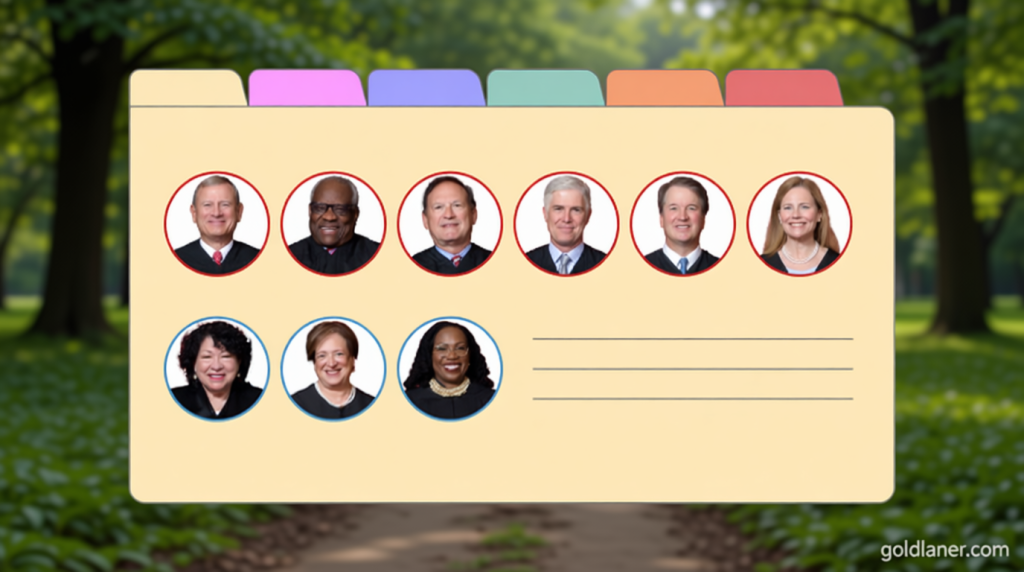
Tracking the Major Supreme Court Cases of 2026
Tracking the major Supreme Court cases – The U.S. Supreme Court is issuing rulings as the term approaches its final stretch, with landmark decisions shaping the legal landscape around President Donald Trump’s executive authority, civil rights protections, and the rights of LGBTQ individuals. This year’s cases have already begun to influence millions of Americans, and CNN is providing ongoing coverage of the key rulings that will define the 2025-2026 term. While most major decisions are traditionally released in May and June before the summer recess, the court has already delivered significant rulings that set the stage for broader debates in the coming months.
Voting Rights and Presidential Power
One of the most anticipated cases of the term involves the Voting Rights Act, a cornerstone of civil rights legislation. In March, the court issued a decision that undermined the law’s effectiveness, reducing its scope and allowing states to implement voting restrictions without federal oversight. This ruling, which drew sharp criticism from civil rights advocates, has sparked concerns about voter access and the potential for discriminatory practices to spread across the country. Meanwhile, the court also addressed a challenge to Trump’s emergency tariffs, which targeted goods from multiple nations. The justices ruled against the tariffs, citing procedural flaws and limiting their impact. These cases highlight the court’s role in shaping the balance of power between the federal government and individual states, as well as its influence on international trade policies.
The timing of these decisions was crucial, as the justices faced tight deadlines to resolve complex legal issues. In both cases, the court’s rapid action reflected the urgency of the matters at hand. The Voting Rights Act case, for instance, centered on the constitutionality of Section 5, which requires certain states to justify changes to voting laws. The ruling has been described as a “major setback” for protections that have long safeguarded minority voters. Similarly, the tariffs case involved a coalition of states and businesses arguing that Trump’s measures were arbitrary and exceeded his executive powers. The court’s decision to halt the tariffs temporarily underscores its function as a check on presidential authority, even in politically charged situations.
LGBTQ Rights in the Spotlight
Two high-profile cases this year have placed LGBTQ rights at the forefront of the Supreme Court’s agenda. In March, the justices ruled in favor of a Colorado counselor who challenged the state’s ban on conversion therapy—a practice aimed at changing the sexual orientation or gender identity of minors. The court’s decision marked a pivotal moment for LGBTQ advocacy, as it signaled a growing recognition of the harm caused by such therapies. “This ruling is a step toward protecting vulnerable youth,” said a prominent legal analyst, emphasizing the long-term implications for LGBTQ healthcare and education.
“The court has shown its commitment to advancing LGBTQ rights, even in the face of political opposition,” noted a law professor specializing in constitutional law. “These decisions will have lasting effects on how states regulate personal identity and family life.”
The second case, which emerged later in the term, focuses on transgender students’ participation in school sports. The justices are set to hear arguments about whether states can prohibit transgender athletes from competing in events aligned with their gender identity. This issue has ignited fierce debate, with opponents arguing that such policies ensure fair competition, while supporters contend they infringe on the rights of transgender youth. The court’s eventual decision could redefine the legal standards for gender-based classifications in public education.
Both cases highlight the intersection of personal rights and state regulation, with the court grappling over how to interpret the Constitution in an evolving social context. The conversion therapy ruling, in particular, has drawn attention to the broader implications of religious freedom versus the rights of minors. Meanwhile, the sports case has become a focal point for discussions about inclusivity and the role of the judiciary in affirming identity-based protections. These decisions reflect a shift in the court’s approach to LGBTQ issues, with justices increasingly emphasizing individual liberties over traditional state mandates.
Broader Implications for American Society
As the Supreme Court closes out its 2025-2026 term, its rulings will continue to ripple across American society. The weakening of the Voting Rights Act has already prompted calls for legislative action to restore its protections, while the rejection of Trump’s tariffs may influence future trade negotiations. In the realm of LGBTQ rights, the two landmark cases have set the tone for a more inclusive legal framework, potentially reshaping policies in education, healthcare, and employment.
Legal experts warn that these decisions could have far-reaching consequences, particularly in states where courts are less receptive to LGBTQ advocacy. The conversion therapy ruling, for example, may inspire similar challenges in other states, forcing legislatures to revisit outdated laws. Meanwhile, the sports case could lead to a reevaluation of policies that restrict transgender students’ participation in school activities, with implications for both sports and broader gender identity rights.
The court’s rapid decision-making in these cases has also raised questions about its role in the political process. Critics argue that the justices’ ability to act swiftly in emergencies may blur the lines between judicial review and executive influence. However, supporters maintain that the court’s agility is essential for addressing pressing national issues. As the justices prepare to adjourn for the summer, their rulings will serve as a blueprint for future legal battles, ensuring that the questions raised this term remain central to the nation’s discourse for years to come.
With the term nearing its end, the Supreme Court’s work in 2026 has already left an indelible mark on American law. From voting rights to LGBTQ protections, the justices have tackled some of the most contentious issues of the era, balancing tradition with modernity in their interpretations. As the final opinions are set to be released, the public will continue to watch closely, eager to see how these decisions shape the future of governance and individual freedoms. CNN will provide updates as the court concludes its work, ensuring that the public stays informed about the evolving legal landscape.
Looking Ahead
The 2025-2026 Supreme Court term has been marked by a mix of legal precedents and controversial rulings, with the justices navigating a complex web of political and social challenges. While the majority of decisions are typically issued in the final months of the term, this year’s early rulings have already demonstrated the court’s impact on key issues. The upcoming weeks will be critical as the justices finalize their opinions, potentially altering the course of American law in ways that will be felt across the nation.
For citizens, these cases represent more than legal milestones—they are reflections of the ongoing struggles for equality and power. Whether it’s the fight to preserve voting rights or the push for inclusive policies for LGBTQ individuals, the Supreme Court remains a central player in shaping the nation’s future. As the term draws to a close, its legacy will be defined by the balance it strikes between judicial independence and the demands of a rapidly changing society. The rulings issued in the coming weeks will serve as the final chapter of this transformative year, leaving lasting impressions on the legal and political stages of the United States.
