
Trump has mostly lost challenges against ‘sanctuary’ cities and states, but that could change
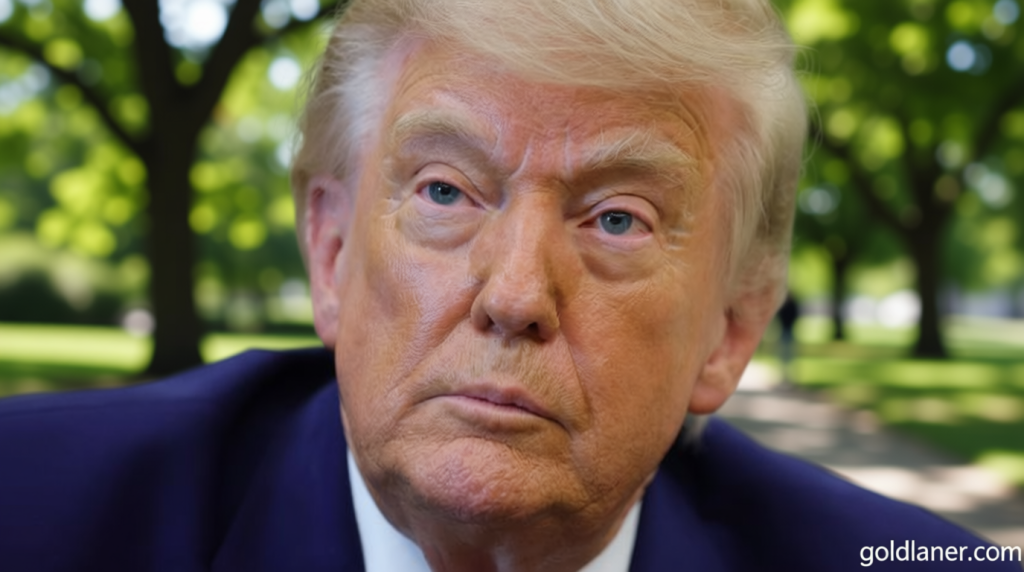
Trump’s Legal Battle Against Sanctuary Cities Intensifies
Trump has mostly lost challenges against – President Donald Trump continues to push forward with legal actions against states and cities that have resisted his immigration policies, despite a series of recent setbacks in court. The Justice Department has launched new lawsuits targeting jurisdictions that have refused to cooperate fully with federal deportation efforts, raising fresh legal debates about the balance of power between state and federal governments. These cases, while not yet resolved, may shift the momentum in favor of the administration if they succeed in redefining the scope of local autonomy in immigration enforcement.
New Lawsuits Target State Cooperation
Following a wave of dismissals in previous legal battles, the Trump administration is now focusing on policies that restrict the support provided to federal immigration agents. Last week, four lawsuits were filed against states that have declined to issue unmarked license plates for federal enforcement personnel, a move seen as a symbolic yet strategic attempt to pressure local authorities into compliance. These cases could set important precedents, as they explore whether states have the authority to limit federal agents’ operational capabilities within their borders.
Legal experts suggest that the administration’s approach is evolving. While earlier lawsuits centered on broader cooperation mandates, the newer ones highlight more specific disputes, such as the denial of license plates and restrictions on mask bans for federal agents. For instance, in a recent case involving New Jersey, officials sued operators of Delaney Hall facilities after allegations of inhumane conditions, arguing that the policies hinder federal efforts to enforce immigration laws. This shift reflects a broader strategy to frame sanctuary policies as obstacles to federal authority rather than tools for local discretion.
Recent Court Rulings Undermine Trump’s Efforts
Despite these new legal maneuvers, federal judges have largely sided with sanctuary cities in recent rulings. In a notable decision, a court dismissed Trump’s challenge to a Boston ordinance that prevents local law enforcement from sharing certain immigrant data with Immigration and Customs Enforcement (ICE). This ruling marked the fourth time in Trump’s second term that a case against Democratic-led jurisdictions was rejected, reinforcing the argument that state-level restrictions on federal cooperation are constitutionally valid.
“The administration feels this is a winning issue politically, even if they lose in court,” explained Harry Sandick, an attorney who defended sanctuary cities during Trump’s first term. “They’re willing to accept judicial setbacks if the broader message aligns with their goals.” Acting Attorney General Todd Blanche echoed this sentiment, acknowledging that federal judges in sanctuary cities often exhibit skepticism toward the administration’s policies. “The challenge with these lawsuits is that we have to file them in places where the judges are not favorable,” he stated in an interview with Sean Hannity. However, Blanche remains optimistic that the Supreme Court will eventually validate Trump’s position, especially as the administration seeks to consolidate its legal arguments over time.
Shifting Legal Terrain and Strategic Adjustments
The legal landscape has changed since Trump’s first term, with new strategies emerging to counter sanctuary policies. While earlier cases focused on mandates requiring local authorities to share information with federal agencies, the current lawsuits delve into more nuanced areas, such as the interpretation of mask bans and the role of license plates in enforcement. For example, in a significant victory this spring, Trump’s administration secured a ruling against a state law that prohibited ICE agents from wearing masks during operations, a policy that had been used to mask their presence in immigrant communities.
“Some sanctuary policies are about withholding support, but not interfering with federal work,” noted Matt Crapo, director of litigation for the Federation of Immigration Reform, which advocates for stricter immigration laws. “The newer cases, however, are about states actively telling federal agencies how to perform their duties.” This distinction is critical, as it frames the legal conflict not just as a matter of compliance, but as a dispute over institutional control. Policies like blanket bans on expending resources for civil immigration enforcement, or detainer agreements that require local authorities to hold undocumented immigrants beyond their release dates, are now central to these arguments.
Historical Context and Current Legal Battles
When Trump returned to the White House in 2025, his administration resumed its campaign against sanctuary jurisdictions, albeit with a more targeted approach. A key case from February 2025, which targeted Chicago and Illinois, was the first of at least nine lawsuits aimed at over a dozen states and local governments. These cases primarily address policies that block state or local officials from providing federal agencies with specific data, such as the dates when undocumented immigrants are released from detention.
“Sanctuary City laws are designed to deliberately impede federal officers’ ability to operate within their jurisdictions,” the Justice Department stated in a June 2025 lawsuit against Los Angeles. The case, which is expected to be ruled on soon, underscores the administration’s determination to challenge local policies that it views as undermining national immigration priorities. While half of the ongoing cases remain unresolved, the legal strategy has shifted toward emphasizing state interference with federal processes, a stance that could resonate more strongly with a national audience.
Blanche’s comments highlight a growing awareness of the judicial challenges faced by the administration. By framing the lawsuits as battles over control rather than mere compliance, the Trump team aims to reframe the narrative. “The Supreme Court has the final say, and we believe their composition now favors our position,” he argued, citing recent appointments that align with his vision of federal supremacy. However, the court’s decision to avoid taking up a major case against California’s sanctuary laws in the past year has raised questions about whether it will ultimately support the administration’s broader agenda.
Political and Legal Implications
As the legal battles continue, the political stakes are intensifying. The administration’s willingness to accept court losses in exchange for a stronger ideological stance has become a defining feature of its approach. “They’re not afraid of losing, as long as the message holds,” Sandick observed, reflecting on the broader strategy of using litigation to advance policy goals rather than secure immediate victories. This mindset has allowed the Trump team to persist with its legal campaign, even as the outcomes of individual cases remain uncertain.
The recent focus on mask bans and license plates also reflects a tactical shift. By targeting specific policies that are easier to argue in court, the administration hopes to build momentum for its broader immigration agenda. “These issues are more favorable for us, as they present clear questions of federal authority,” Crapo said, noting that the success of the anti-masking law in Illinois could serve as a precedent for future cases. However, the effectiveness of this strategy depends on the Supreme Court’s willingness to intervene in cases that have already been dismissed by lower courts.
With the final month of the current term approaching, the legal challenges against sanctuary cities have become a focal point for Trump’s priorities. Whether these lawsuits will succeed or fail remains to be seen, but their impact on the political discourse surrounding immigration is already evident. As the administration presses forward, it faces the challenge of transforming legal setbacks into political victories, a task that will require both legal ingenuity and public persuasion.
