
Republicans reject Democrats’ effort to kill Trump’s $1.8 billion ‘anti-weaponization’ fund
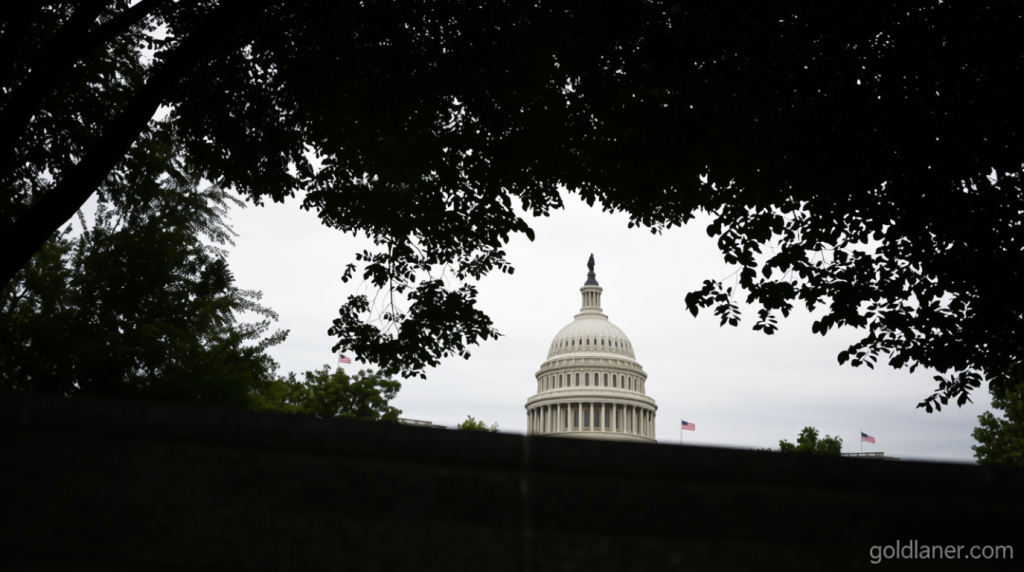
Republicans Reject Democrats’ Effort to Disband Trump’s $1.8 Billion Fund
Senate Vote-a-Rama Session Sparks Debate Over Immigration Funding
Republicans reject Democrats effort to kill – On Thursday, Senate Republicans successfully blocked Democrats’ attempt to eliminate President Donald Trump’s $1.8 billion fund designed to reimburse individuals who claim government overreach in immigration enforcement. The motion, which aimed to dismantle the initiative as part of a broader strategy to undermine the GOP’s immigration bill, narrowly failed with a 49–50 vote. This defeat highlights the growing ideological divide between the parties, with Democrats seeking to cut off funding for what they view as a political tool, while Republicans defend its inclusion as a key component of the $70 billion bill. The vote took place during a marathon session dubbed “vote-a-rama,” a tactic often used to expedite amendments before final passage.
The Democratic push to kill the fund was a calculated move to challenge the GOP’s legislative agenda, which prioritizes border security and the deportation of undocumented immigrants. By targeting the $1.8 billion fund—nicknamed “anti-weaponization”—Democrats hoped to create uncertainty around immigration enforcement funding. However, the Republicans’ rejection of the amendment ensured the fund’s survival, allowing the bill to move forward with its current structure. This outcome reflects the Senate’s polarized environment, where partisan strategies often override procedural consensus.
Republicans reject Democrats’ effort to kill the fund, arguing it serves as a critical safeguard for individuals who allege harm from government actions. Critics, including progressive Democrats, accuse the initiative of acting as a slush fund for Trump allies, using taxpayer money to support claims that could shield his policies from legal challenges. Some lawmakers have also raised concerns about its potential use to finance rioters involved in the January 6, 2021, Capitol attack. Despite these criticisms, the fund’s name—“anti-weaponization”—has been defended as a strategic move to ensure its legal viability.
“I’d have to ask the lawyers, I don’t know,” Trump remarked to CNN during the vote-a-rama session. “As far as I’m concerned, it was a beautiful thing.”
With the fund intact, the GOP’s immigration bill now faces fewer obstacles, though internal dissent persists. Acting Attorney General Todd Blanche had previously indicated the administration would not proceed with the fund, but Trump’s vocal support has reinvigorated its inclusion. This divergence within the Republican Party has complicated the legislative process, as some leaders urge unity while others demand clarity on the fund’s purpose. The White House’s shifting stance underscores the political calculus behind the initiative, balancing immediate policy goals with long-term implications.
The resistance to eliminating the fund came from a coalition of Republican senators, including Bill Cassidy, who had recently lost his primary race due to disagreements with Trump. These holdouts insisted the fund must be explicitly canceled to justify the immigration bill’s passage, forcing prolonged negotiations. While Cassidy ultimately voted against the Democrats’ motion, his decision did not fully endorse the fund’s continuation, signaling a fragile consensus within the party. The debate over the fund’s future has become a microcosm of the larger struggle over Trump’s legislative legacy.
As the Senate moves toward finalizing the bill, the Republicans’ rejection of Democrats’ effort to kill the fund has secured its place in the legislation. However, the controversy surrounding the fund’s purpose remains unresolved, with calls for further scrutiny. The vote-a-rama session, which began on Wednesday and concluded Thursday, exemplifies the high-stakes nature of the debate. With the fund’s survival, the GOP’s immigration package now stands as a test of unity, as lawmakers navigate the tension between ideological principles and pragmatic compromise.
