
Supreme Court turns toward an explosive final month with Trump’s priorities at stake
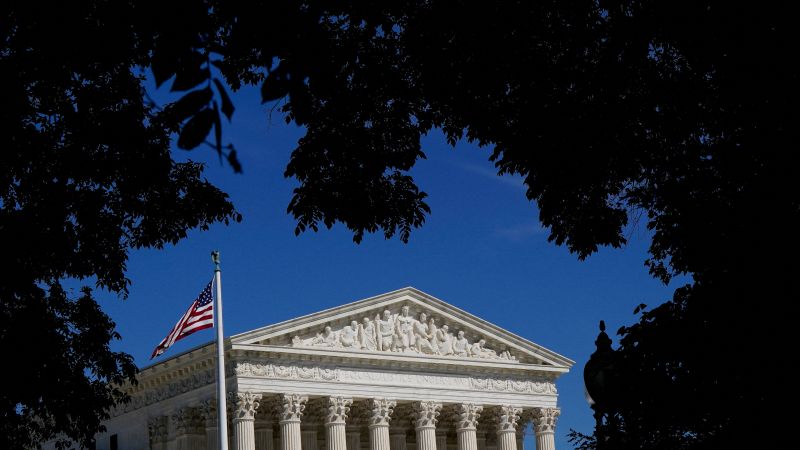
Supreme Court Eyes Explosive Term Wrap-Up on Trump’s Priorities
Supreme Court turns toward an explosive – As the Supreme Court concludes its 2026 term, the bench is entering a pivotal phase with far-reaching consequences for President Donald Trump’s legislative goals. With over 20 major rulings pending by late June, the justices face mounting pressure to resolve cases that could define the next two years of the administration. These decisions cover key areas like executive authority, immigration reforms, voting rights, and Second Amendment interpretations. Trump has repeatedly emphasized the importance of these outcomes, threatening to amplify his political campaign if the court leans against his agenda.
Birthright Citizenship and a Presidential Betrayal
One of the most anticipated cases involves the legal status of birthright citizenship. The court will examine a policy that aims to revoke automatic U.S. citizenship for children of undocumented immigrants—a practice that has endured for over a century. Trump, who previously championed this tradition as a symbol of American identity, has shown growing frustration with potential challenges. In mid-May, he criticized the court’s stance, calling the policy “a national disaster” and implying it would undermine his re-election bid.
“They will be ruling against us on Birthright Citizenship, making us the only Country in the World that practices this unsustainable, unsafe, and incredibly costly DISASTER,” Trump posted on social media in mid-May.
The case has become a central battleground for Trump’s influence over the judiciary. His public outbursts suggest a readiness to challenge the court’s independence if the decision favors opponents. This pattern reflects a broader strategy to frame judicial rulings as political victories or defeats, reinforcing his narrative that the court is aligned against his policies.
Executive Power and the Firing of Officials
Two high-profile cases involving Trump’s attempts to remove federal officials are gaining traction. The first centers on Lisa Cook, a Federal Reserve governor, accused of misrepresenting her residence for tax purposes. Trump has pushed for her immediate dismissal, arguing it’s necessary to maintain control over independent agencies. The second case involves Rebecca Slaughter, an FTC commissioner, with the president seeking to remove her without formal cause. Both cases test the boundaries of presidential authority and the court’s willingness to uphold or expand it.
The justices have shown a shifting stance on these issues. During January arguments, they appeared cautious about Trump’s claims, but by December, the conservative majority had grown more supportive of his position. Chief Justice John Roberts’ advocacy for expanded executive power hints at a trend where the court may be aligning more closely with Trump’s vision for governance. This evolution underscores the growing influence of the court’s conservative faction in shaping policy.
Supreme Court turns toward an explosive phase as these cases converge, with potential rulings that could redefine the balance of power between the executive and judicial branches. The stakes are immense, as decisions here could set lasting precedents for presidential control over federal appointments and regulatory oversight.
Political Dynamics and the Court’s Spine
Supreme Court turns toward an explosive environment as tensions between the president and the judiciary intensify. Trump’s aggressive rhetoric and public critiques of the court have positioned it as a key political target. His recent actions suggest a calculated effort to frame the court’s decisions as a betrayal of his policies, potentially rallying his base and reshaping public perception of judicial impartiality.
At the same time, the president has worked to strengthen his relationships with the justices. In May, he invited conservative justices to a state dinner with King Charles III, highlighting their presence and reinforcing his alignment with the court’s conservative majority. These gestures, combined with his vocal support for key justices like Clarence Thomas and Brett Kavanaugh, indicate a strategic approach to secure favorable rulings on his agenda.
Supreme Court turns toward an explosive moment in the final days of the term, with each decision adding to the narrative of a politically charged judiciary. The court’s response to Trump’s policies will not only shape the current administration but also set a precedent for future presidential power. As the term nears its end, the outcomes of these cases will be closely watched for their implications on the balance of governance.
