
3 climbers who fell near treacherous pass on Alaska’s Mount McKinley are dead, 1 rescued
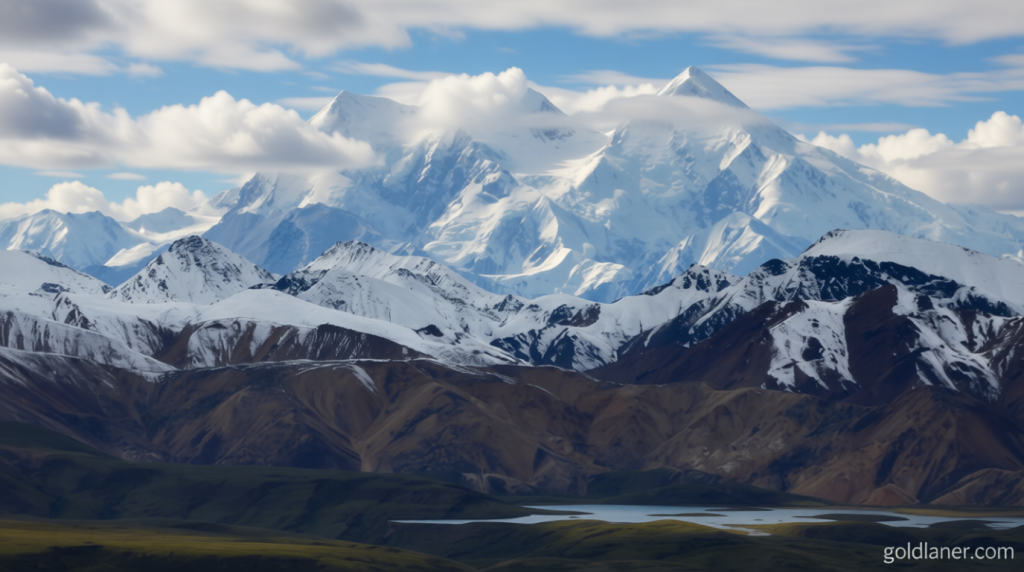
Alaska’s Mount McKinley: Tragic Climbing Incident Claims Three Lives
3 climbers who fell near treacherous – Five climbers are currently being assessed after a severe accident near the Denali Pass on Mount McKinley, the highest peak in North America, left three fatalities and one survivor, according to a Latvian mountaineering group. The incident unfolded on Wednesday, with the team of seven individuals—part of a Latvian expedition—falling from an elevated section of the West Buttress route, a well-known climbing path. The National Park Service confirmed the event, noting that the fall occurred approximately 18,200 feet above sea level, where the terrain is notoriously unstable and exposed.
Rescue Efforts and Current Status
Following the fall, search and rescue teams from Denali National Park and Preserve initiated a mission to retrieve the stranded climbers. A fourth member of the group was successfully evacuated from the mountain by helicopter late Thursday afternoon, the park service reported. The rescue operation required a long line from the helicopter due to the challenging conditions, which prevented a direct landing. The survivor, brought down from around 17,200 feet, was then transported to a hospital via air for medical evaluation.
Three additional climbers from the group, who were not involved in the initial fall, participated in the rescue effort. However, they began showing signs of worsening physical conditions, prompting their evacuation from the mountain on Friday. The park service emphasized that the team’s actions during the rescue were critical in ensuring the survival of one climber while navigating the risks associated with the terrain.
Route and Terrain Hazards
The West Buttress route, the most frequently used path to McKinley’s summit, is infamous for its perilous features. Sections of the climb near Denali Pass, a 18,200-foot area, are particularly hazardous, with crevasses, steep ice formations, and exposed ridges creating a high risk of accidents. Over the years, the route has been the site of numerous injuries and fatalities, often due to falls that go unguarded. The park service highlighted that the segment between high camp, located at roughly 17,200 feet, and Denali Pass is especially treacherous, requiring climbers to rely on anchors and snow pickets for stability.
Known colloquially as the “Autobahn,” this stretch of the route is characterized by its combination of deep snow and hard ice, which can shift unpredictably. Climbers are advised to install their own pickets if needed, though the process can be arduous, requiring bashing through dense snow and ice. Clint Helander, a seasoned climber with multiple summits on McKinley, described the challenges of this area as a “huge undertaking,” citing intense glaciation, rapid weather changes, and altitude as contributing factors to the risks faced by adventurers.
Historical Context of Climbing Deaths
Mount McKinley has a long history of climbing tragedies, with over 130 fatalities recorded since the establishment of Denali National Park. Last year alone, two climbers lost their lives on the mountain, underscoring the persistent dangers. The 2012 incident, which claimed four Japanese climbers, remains one of the most notable tragedies, caused by a shallow avalanche that swept them into a crevasse. This event, along with others, has prompted ongoing efforts to improve safety measures on the West Buttress route.
The park service has stated that rangers and mountain guides regularly install and maintain snow pickets in the critical sections between high camp and Denali Pass. These pickets are essential for creating anchors that help prevent falls, yet they are not always sufficient. The combination of glacial terrain, unpredictable weather, and the physical demands of high-altitude climbing means that even experienced climbers can face life-threatening situations. Helander noted that the mountain’s “sheer scale” and “rapid changes in conditions” amplify the likelihood of accidents, turning what might seem like a straightforward expedition into a high-stakes journey.
Expert Perspectives on the Challenges
“It’s immensely easy for something to happen and turn an otherwise straightforward trip into an epic,” Helander said. His words reflect the dual nature of McKinley’s climbing experience—both a test of endurance and a potential hazard. The route’s difficulty is compounded by the need for climbers to carry extensive gear, including ropes, ice axes, and specialized equipment for navigating the icy slopes. This preparation is vital, but the mountain’s unpredictable nature often demands quick thinking and adaptability.
The park service reported that as of Thursday, 516 climbers were on the mountain, a number that highlights the ongoing activity despite the risks. The annual climbing season typically sees between 1,000 and 1,200 attempts to reach the summit, with expeditions often taking 17 days or more. However, less than half of those who attempt the climb successfully reach the top, as per the park’s statistics. This low success rate is attributed to the cumulative effects of altitude, fatigue, and environmental factors.
Impact of the Incident on the Climbing Community
The recent tragedy has raised questions about the effectiveness of current safety protocols and the challenges of managing risks in such a dynamic environment. While snow pickets and other precautions are in place, the incident near Denali Pass suggests that even with these measures, accidents can occur. The park service has reiterated the importance of vigilance and preparation, emphasizing that the area’s conditions can shift rapidly, leaving climbers vulnerable to sudden dangers.
Helander’s observations provide a personal insight into the risks involved. “The sheer scale of the peak and the harsh elements mean that every step is a gamble,” he explained. The combination of deep snow, which can lead to avalanches, and the exposed ridges that offer little protection against falls has made McKinley a formidable challenge. The three fatalities in this incident add to the list of climbing losses, serving as a sobering reminder of the mountain’s unforgiving nature. As the climbing community reflects on the event, the focus remains on how to mitigate risks while preserving the allure of Denali’s majestic heights.
The National Park Service continues to monitor the situation, ensuring that all climbers are accounted for and that rescue efforts are ongoing. With the season in full swing, the number of climbers on the mountain is expected to rise, increasing the chances of both success and catastrophe. The incident near Denali Pass will likely be studied closely to evaluate whether additional safety measures or training could reduce the likelihood of similar tragedies in the future.
