
30 years after ‘Into Thin Air’ disaster, Everest has changed. Now the weather isn’t the only big threat
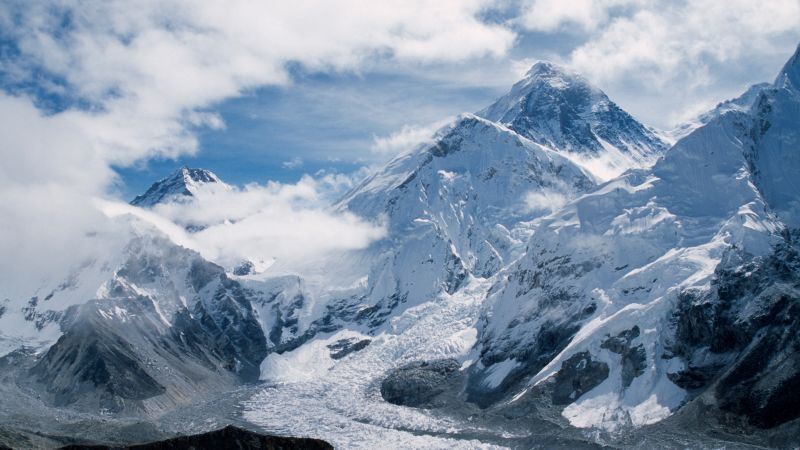
30 years after ‘Into Thin Air’ disaster, Everest has changed. Now the weather isn’t the only big threat
A Turning Point on the Roof of the World
30 years after Into Thin Air disaster – On May 10, 1996, a sudden and fierce storm upended the lives of over 30 climbers on Mount Everest. The high-altitude group, battling extreme cold and violent winds, faced a dire situation that would become a defining moment in the mountain’s history. This disaster, which claimed eight lives in a single day, marked a critical shift in how Everest is perceived and approached. What was once a perilous test of skill and endurance had, by the late 1990s, become a symbol of human ambition and vulnerability, thanks to the media’s widespread coverage.
The Media’s Role in Shaping Everest’s Legacy
The event gained global attention after Jon Krakauer published his bestseller “Into Thin Air,” a firsthand account of the tragedy. The book, combined with vivid reporting from journalists and the advent of satellite phones, transformed Everest into a cultural icon. No longer just a challenge for seasoned mountaineers, the mountain became a destination for anyone with the means and determination. This shift sparked a surge in guided expeditions, making the journey accessible to a broader audience.
“It was a cultural turning point,” said Will Cockrell, author of “Everest Inc.”
Cockrell noted that the disaster elevated Everest to a place of collective aspiration. “Everest was ‘all of a sudden put it into the bucket list of what could be possible,’” he explained. This newfound popularity was driven by the belief that with proper training and financial support, even average individuals could reach the summit with expert guidance. The number of climbers attempting the peak grew exponentially, creating a new industry that now thrives on the mountain’s fame.
The Evolution of Everest Climbing
Before the 1996 tragedy, climbing Everest was largely a pursuit of national teams or sponsored expeditions. These groups relied on donors and meticulous planning, with fewer than 270 successful summits recorded by 1989. That changed in 1992 when Adventure Consultants, a New Zealand-based company, achieved a milestone by guiding six clients to the summit and safely returning them. This breakthrough laid the foundation for a commercialized climbing sector that has since expanded rapidly.
“We had no idea how big the industry would become,” said Guy Cotter, CEO of Adventure Consultants, who was part of that historic summit. “We didn’t even look at it as an industry in those days.”
Cotter, a seasoned guide, recalled the early days of guided climbing with a mix of awe and disbelief. “It was like a dream,” he said, reflecting on how the company’s pioneering efforts ignited a global trend. By 1996, Adventure Consultants was among the leading teams on the mountain, and the storm that struck that year tested both their resolve and the evolving nature of Everest expeditions.
Survival in the Face of Chaos
As the blizzard intensified, climbers, guides, and Sherpas found themselves stranded on the deadly ridge above the highest camp, a region known as the “death zone” due to its lack of sufficient oxygen. With temperatures dropping to -40 degrees and winds howling at 70 mph, the situation grew desperate. Cotter, who was leading an expedition on a neighboring peak at the time, spotted his colleagues in peril and rushed to the base camp to assist. “With binoculars, I could see them up on the summit ridge,” he said, describing the harrowing scene.
“When it looked like things had taken a turn for the worse overnight, I went over to Everest Base Camp to assist the base camp manager and the doctor,” Cotter added.
Cotter and a small team took charge of the rescue operation, providing critical medical support to the injured and stranded climbers. “Virtually everybody was up on the mountain,” he said, emphasizing the shock and chaos that gripped the summit. The disaster’s aftermath sparked intense debates about safety protocols and the responsibilities of guides, with survivor accounts highlighting critical errors in decision-making and preparation.
The Modern Everest: A New Set of Challenges
Thirty years after the 1996 tragedy, Everest has undergone a transformation. While technology and better equipment have improved safety, new risks have emerged. According to experts, overcrowding, inexperienced tourists, and budget services now pose the most significant threats to climbers. The once-pristine routes have become congested, with hundreds of people ascending the mountain each season. “The summit is no longer just a test of physical endurance,” said Cockrell. “It’s a complex mix of human factors and logistical demands.”
“Today, it’s not unpredictable weather that poses the greatest risk at the summit,” Cockrell explained.
One of the most pressing issues is the influx of untrained climbers. Many rely on local operators who prioritize profit over safety, sometimes cutting corners on oxygen supply, equipment quality, or route preparation. This has led to a situation where even the most experienced climbers are vulnerable. The record-breaking 274 summits achieved on May 20, 2026, underscores the mountain’s popularity but also its challenges. “It’s a numbers game now,” said a climber who had summited that day. “We’re all pushing for the top, but the risks have multiplied.”
A Cultural Phenomenon and Its Impact
The 1996 disaster became a turning point not only for Everest but for the climbing world as a whole. The stories of survival, heroism, and tragic decisions captured the public’s imagination, leading to a wave of documentaries, books, and films. The 2015 movie “Everest,” starring Jake Gyllenhaal, brought the event to a wider audience, ensuring its place in popular culture. “The legacy of that day lives on in every climb,” said a veteran guide who had participated in both the disaster and its aftermath.
“The stories of heroism, high-stakes rescues, costly decisions, and the sheer will to survive continue to be pored over and debated to this day,” said Cockrell.
One of the most poignant tales is that of Rob Hall, a co-founder of Adventure Consultants and a celebrated mountaineer. His decision to stay with an incapacitated client near the summit cost him his life. Despite the peril, Hall managed to make one last call via satellite phone to his pregnant wife, sharing a moment of hope and farewell. His story, like others, remains a powerful reminder of the mountain’s dual nature as both a triumph and a test of limits.
The Future of Everest
As the industry continues to grow, the question remains: can Everest sustain its popularity while maintaining safety? The answer lies in the balance between accessibility and risk management. While technology has mitigated some dangers, the human element—such as overconfidence or inadequate preparation—still plays a crucial role. “The mountain has become a business, not just a challenge,” said Cockrell. “But that doesn’t mean it’s any less dangerous.”
For many climbers, the allure of Everest remains irresistible. The combination of natural beauty, historical significance, and the promise of a once-in-a-lifetime achievement drives thousands to attempt the ascent each year. Yet, as the number of climbers increases, so does the pressure on infrastructure, guides, and emergency response systems. “We’ve made Everest safer, but we’ve also made it more crowded,” Cotter noted. “It’s a different kind of challenge now.”
Despite these changes, the essence of Everest endures. It continues to inspire awe and test human limits, but the story of the 1996 disaster serves as a cautionary tale. As climbers prepare for their own journeys, they carry the lessons of that day with them, reminding the world that even the highest peaks are not immune to the consequences of human ambition.
