
How do US arms sales to Taiwan work and why are they such a sore point for China?
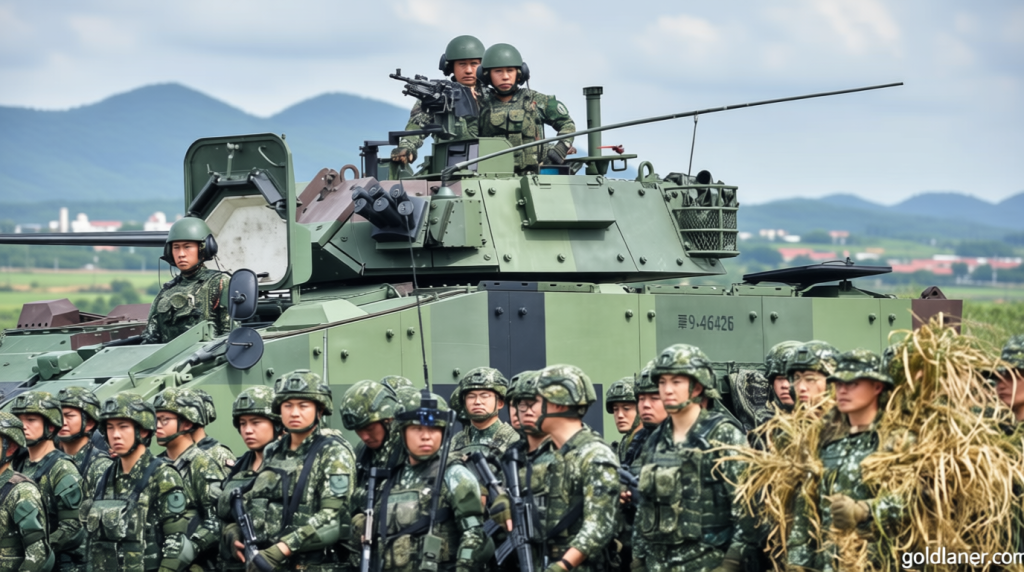
How Do US Arms Sales to Taiwan Work and Why Are They Such a Sore Point for China?
How do US arms sales to Taiwan – The recent summit between US President Donald Trump and Chinese leader Xi Jinping has brought renewed attention to the US’s commitment to Taiwan and its military aid agreements. During their talks, Xi Jinping issued a clear warning to his American counterpart, emphasizing that Taiwan remains a critical issue between the two nations. He suggested that a misstep in handling the island’s status could escalate into a “very dangerous situation.” This statement underscores the high stakes involved in the US-China relationship, particularly regarding Taiwan’s security.
At the heart of the discussion is a $14 billion arms deal approved by the US Congress. Trump has delayed signing the agreement, referring to it as a “very good negotiating chip” during his interactions with Xi. The rationale for this pause is attributed to the Pentagon’s assessment of the need to prioritize weapon systems for the ongoing conflict with Iran. However, Taiwan’s Defense Ministry has reported that it has not yet received any official notice of the delay, creating a sense of uncertainty about the timeline for deliveries.
The Legal Framework Behind US Military Sales to Taiwan
Understanding the mechanics of US arms sales to Taiwan requires examining the legal foundations that govern these transactions. The US is bound by the Taiwan Relations Act (TRA), enacted in 1979, which mandates that it provide Taiwan with the necessary means to defend itself. This act was a direct response to the shift in diplomatic recognition from Taipei to Beijing by President Jimmy Carter’s administration.
“They felt that by giving into Chinese demands that he terminate diplomatic relations with Taiwan and end the mutual defense treaty, Carter had left the island profoundly vulnerable,” said the Brookings Institution think tank.
The TRA ensures that the US maintains a “sufficient self-defense capacity” for Taiwan, even though formal diplomatic ties with the island were severed. This legal commitment has been a cornerstone of US policy, balancing its strategic interests with the need to support Taiwan’s defense capabilities. Despite the TRA, the US has faced criticism for its arms sales, as Beijing views these transactions as provocative.
While the 1982 US-China joint communique mentions a gradual reduction in arms sales to Taiwan, the interpretation of this document has been a point of contention. Beijing argues that the communique represents a binding commitment, while US officials have long contested this view. They assert that the US never agreed to a specific timeline for ending such sales and that consultations with Beijing are not mandatory before proceeding.
Delays and Backlogs in Arms Deliveries
Taiwan has relied on US military systems for decades, accumulating tens of billions of dollars in purchases. These include major platforms like destroyers, frigates, and jet fighters, as well as smaller components such as anti-aircraft missiles and logistical support. However, the process of delivering these weapons often spans years, sometimes leading to significant delays.
“It is not unusual for defense sales to take years to complete, sometimes never actually meeting full delivery,” Jeff Abramson, a senior non-resident fellow at the Center for International Policy (CIP), noted.
Abramson explained that arms sales typically involve orders rather than immediate manufacturing. The timing of delivery depends on various factors, including industrial capacity, US military priorities, and shifting geopolitical circumstances. This dynamic has created a backlog of nearly $30 billion in weapons still awaiting shipment, according to a report from the Taiwan Security Monitor (TSM) project at George Mason University.
The TSM report highlights specific cases that illustrate the prolonged nature of these deliveries. For instance, an order for 291 ALTIUS-600M loitering munitions placed in 2024 was fulfilled in 21 months, a relatively swift timeline. However, the procurement of 108 Abrams tanks, ordered in 2019, took 81 months to complete. The final units arrived in Taiwan just last month, underscoring the complexity and delays inherent in the process.
Joe O’Connor, assistant director at TSM, also pointed out that the delivery of F-16 fighter jets ordered in 2019 remains pending. Production and flight testing for these jets have only recently commenced, leaving Taipei in a state of anticipation. The Defense Ministry’s report from April 2026 indicates that among the 23 major procurement projects, many are still in the pipeline, highlighting the challenges in meeting Taiwan’s defense needs.
The delayed arms sales have raised concerns about Taiwan’s ability to respond to potential threats, especially given China’s readiness to use force if it deems necessary. The US’s strategic ambiguity—maintaining support while avoiding formal recognition of Taiwan as a sovereign state—has been a source of tension. This ambiguity allows the US to provide military assistance without fully committing to Taiwan’s independence, a position that Beijing strongly opposes.
As the standoff continues, the US and China navigate a delicate balance between cooperation and competition. The delayed $14 billion arms deal exemplifies this tension, as Trump seeks to leverage it as a diplomatic tool. Meanwhile, Taiwan awaits the next shipment, its defense capabilities stretched thin by the accumulation of unfulfilled orders. The situation remains a critical flashpoint in the broader US-China rivalry, with implications for regional stability and global security.
