
Ex-judges mount bid to upend ‘unprecedentedly fraudulent’ Trump ‘anti-weaponization’ fund
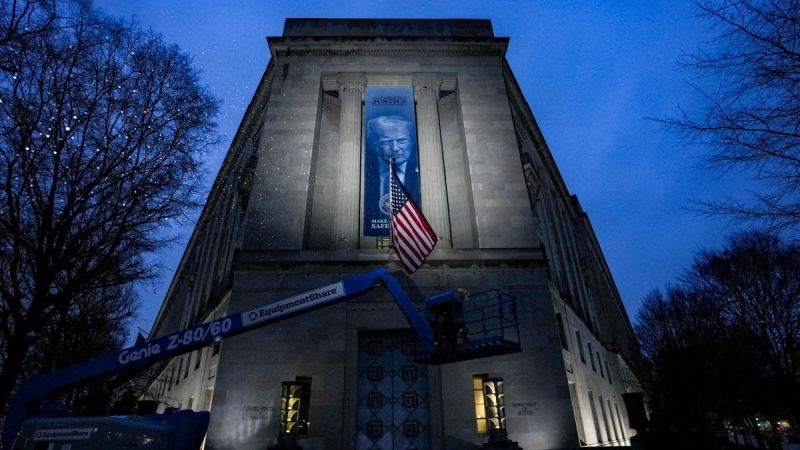
Ex Judges Target Trump’s Anti-Weaponization Fund as Unprecedented Fraud
Ex judges mount bid to upend Trump’s anti-weaponization fund, a $1.776 billion initiative established by the Trump administration through a contentious settlement. Nearly 30 retired federal judges, representing a spectrum of political ideologies, have joined forces to challenge the fund’s legitimacy, calling it an “unprecedentedly fraudulent” mechanism that erodes judicial accountability. Their campaign adds to growing concerns over the program, which has sparked debate among legal scholars and political figures about its potential to undermine transparency and fairness in federal governance.
Legal Foundations and Strategic Moves
The ex judges’ challenge centers on a key decision by Judge Kathleen Williams, an Obama appointee, who dismissed an extraordinary lawsuit filed by Trump, his son, and the Trump Organization. This lawsuit, which accused the IRS of mishandling a specific tax matter, formed the basis for the anti-weaponization fund. However, the retired jurists argue that the litigation was not a genuine legal dispute but a carefully orchestrated effort to bypass due process. They claim the case was designed to create a “fraud on the court” by allowing the president to act as both plaintiff and defendant in the same proceeding.
In a detailed filing, the group asserts that the settlement lacks valid legal grounds, as it was reached without addressing core questions about the original lawsuit’s authenticity. “This litigation and the collusive ‘settlement’ that invokes this litigation as the legal justification for its terms” demand deeper judicial scrutiny, they argue. The ex judges emphasize that the fund’s creation hinges on a flawed legal premise, making it a pivotal point in their effort to reverse its impact on federal oversight.
Political and Judicial Implications
Support for the ex judges’ bid includes prominent figures from diverse judicial backgrounds, such as Ursula Mancusi Ungaro, a former George H. W. Bush appointee, and Michael Luttig, a Trump critic who once served under the same administration. Their coalition underscores the bipartisan nature of the challenge, as it aims to question not only the fund’s legal validity but also its political motivations. Critics suggest the fund could provide resources to individuals involved in the January 6 Capitol attack, potentially blurring the line between legal defense and political protection.
Despite these broader criticisms, the ex judges’ primary focus remains the legal deception surrounding the initial lawsuit. They argue that the settlement’s provisions, which shield Trump and his associates from future investigations, were reached without resolving the fundamental issue of whether the case itself was fraudulent. “The Court was deceived,” they state, “including with respect to the existence of an underlying case or controversy and any purported arms-length negotiations undertaken to resolve it.”
Responses and Public Reaction
Reacting to the ex judges’ motion, a Justice Department spokesperson, Natalie Baldassarre, described the settlement as a routine legal action. “It is a routine move for plaintiffs to dismiss cases without referencing any settlement,” she noted, highlighting the department’s stance on the fund’s legitimacy. Yet, the judges’ argument persists that the Trump administration exploited the legal system to secure a settlement that benefits the president personally while bypassing standard judicial procedures.
Meanwhile, political opponents and legal experts have amplified the debate over the fund’s purpose. Some argue it could fund paramilitary activities or aid individuals involved in the Capitol attack, raising concerns about its alignment with the administration’s agenda. The ex judges’ bid to upend this plan has positioned them as a critical voice in the ongoing scrutiny of Trump’s legal strategies, further emphasizing the need for transparency in federal decision-making processes.
