
Rescuers hopeful they can pull 5 villagers from flooded Laos cave soon
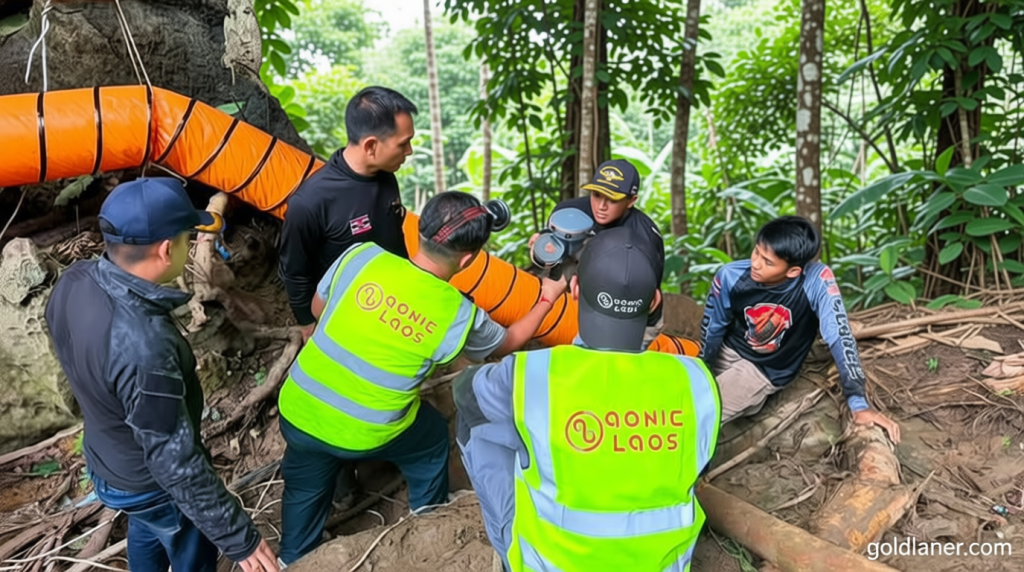
Rescuers hopeful they can pull 5 villagers –
Hope for Seven Trapped Villagers in Laotian Cave Rescue
In a remote area of Laos, a group of expert cave divers are working tirelessly to save seven villagers who became stranded in a submerged cave system following severe flooding. After a week of intense efforts, five of the missing individuals have been located deep within the labyrinthine tunnels of Xaisomboun, a central province in Southeast Asia. The discovery has sparked cautious optimism among rescue teams, who are now preparing to begin the critical phase of extracting the survivors from the underground chamber.
Rescue Success and Remaining Challenges
The five rescued villagers were found in a dimly lit section of the cave, seated on a rocky outcrop and surrounded by floodwaters. According to a spokesperson for the Rescue Volunteer for People team, the men are “alive and in safe condition,” having received preliminary medical attention and soft food following the advice of healthcare professionals. Despite the relief, two others are still missing within the cave complex, and their whereabouts remain a mystery as divers continue their search.
“Five individuals were found alive and are currently in safe condition. They have already received basic medical checks and soft food following doctors’ advice,”
“If access can be opened further, rescuers believe the survivors are physically strong enough to help move themselves out with support from the teams.”
The rescue mission has drawn international attention, with several seasoned divers from Thailand participating. This echoes the dramatic 2018 operation that saved a group of teenagers trapped in a cave system near Chiang Rai, Thailand. Many of the current rescuers were part of that historic effort, bringing a wealth of experience to the present challenge.
The Perilous Journey Through the Cave
The flooded cave system, which stretches over 200 meters, is a complex network of chambers and elevated ledges. Navigating through the tunnels has proven arduous, with rescuers facing narrow passages and submerged sections that require careful coordination. One diver described how he had to remove his equipment to squeeze through a particularly tight stretch of the cave, emphasizing the physical demands of the operation.
Environmental conditions have also complicated the mission. Toxic hydrogen sulfide gas has been detected in parts of the cave, forcing divers to monitor their breathing and movement closely. Additionally, deploying a pump to circulate fresh air has encountered technical difficulties, leaving the trapped villagers reliant on limited oxygen supplies. “Going in and out each trip takes about an hour because oxygen levels are limited,” explained Kengkad, highlighting the logistical hurdles.
Victims’ Conditions and Rescue Strategy
Video footage shared by the rescue team shows the villagers in a state of exhaustion, though they reported feeling “weak and very hungry” but not ill. Their initial descent into the cave last Wednesday was driven by the pursuit of gold, but heavy rains triggered flash flooding, cutting off their escape route. The survivors, all understood to be male, have spent the past seven days in the cavern, enduring the oppressive conditions while awaiting rescue.
Rescuers are now focusing on a strategy to lower water levels by pumping from downstream points. However, the process is slow, and more equipment is urgently needed to expedite the operation. Kengkad emphasized the importance of securing additional oxygen tanks, specifically 40-liter models, to be placed along the route. “The air inside is insufficient,” he said, “and we also urgently need more oxygen tanks to place along the route because the air inside is insufficient.”
Historical Resonance and Team Morale
As the rescue teams work around the clock, the situation has reminded many of the 2018 Thai soccer team incident, which became a global symbol of human resilience. Some of the current divers, including veteran Mikko Paasi from Finland, have expressed both relief and determination at the progress made so far. “The task so far has been far from easy and everybody involved has done amazing work,” Paasi noted on Instagram, though he quickly added that the work is “only a brief relief” as the survivors remain in a precarious position.
The one-way nature of the cave system adds another layer of complexity. Rescuers must maintain constant communication to avoid colliding with each other while navigating the submerged passages. This requires meticulous planning and coordination, as the team prepares for the next steps in the operation. “Finding them was never enough. I immediately started planning how to transport them out afterward,” Kengkad said, underscoring the team’s resolve to complete the mission.
Technical and Logistical Demands
Extraction of the remaining two villagers is expected to be a formidable task, given the narrow and pitch-black environment. In some sections, the tunnel is only 23 inches wide, forcing divers to maneuver in tight spaces while transporting supplies. The development of specially designed stretchers for such confined areas has become a priority, as traditional equipment may not be suitable for the cramped conditions.
Rescue teams are also exploring the possibility of vertical shafts within the cave system that could serve as alternative access points. While these openings may help reduce the time required for extraction, they are still in the early stages of investigation. The ongoing efforts to pump water from multiple locations aim to create more space for the survivors to crawl out, but the process is hampered by the cave’s unpredictable terrain and limited resources.
Global Support and Future Outlook
The international involvement in the Laos cave rescue has been a crucial factor in the operation’s progress. Divers from various countries are collaborating to share expertise and resources, a testament to the global community’s response to the crisis. As the team continues its work, the focus remains on ensuring the safety of the remaining two individuals while maintaining the well-being of the five already rescued.
With the extraction plan still in development, the success of this mission will depend on the team’s ability to adapt to the cave’s challenges. The combination of technical ingenuity, physical endurance, and emotional resilience is evident in the efforts of the divers. As the world watches, the hope is that the remaining survivors will soon be brought to safety, completing what has already been a remarkable rescue operation.
