
Gas and airfare prices have jumped. Americans are traveling this weekend anyway
Memorial Day Weekend: Americans Travel Amid Rising Gas and Airfare Prices
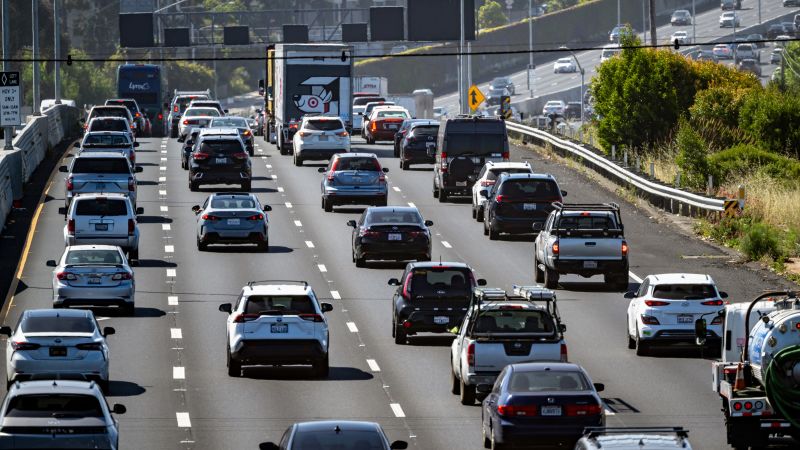
Gas and airfare prices have jumped – Gas and airfare prices have surged this Memorial Day weekend, yet millions of Americans are still hitting the road and skies. The annual summer getaway, a time-honored tradition, has seen a steady stream of travelers despite a sharp increase in fuel and travel costs. According to the American Automobile Association (AAA), 45 million people are expected to travel at least 50 miles from home, marking a slight uptick from last year’s 44.8 million. This trend suggests that even as expenses climb, the urge to reunite with family and friends, and to enjoy seasonal adventures, remains strong.
Rising Costs Fuel Traveler Adjustments
With gas prices reaching $4.55 per gallon—a $1.38 increase from the previous year and a 53% jump since 2022—the financial burden on road trips has become more pronounced. Airfares have also spiked, with Kayak and airline data revealing over a 20% rise compared to last year. For frequent travelers, these costs are a challenge, but the demand for travel persists. James Smith, a CNN interviewee, noted, “When it comes to travel, it’s one of the only things I’ll treat myself on.” His $550 ticket for a New Mexico to Newark flight underscores the financial strain, yet he chose to proceed with friends for a weekend of leisure along the Jersey shore.
Consumer Behavior Shifts in Response to Costs
Adam Sacks, president of Tourism Economics, explained that the continued travel activity is less surprising than it seems. “Survey data shows widespread anxiety about gas prices, but people are still acting as if they can afford the trip.” He highlighted that historical data reveals price surges typically don’t deter travel unless combined with other economic factors. However, for those already constrained by budget limitations, the situation is more complex. Laura Lee Blake, CEO of the Asian American Hotel Owners Association, observed that fewer travelers are opting for hotel stays, instead choosing to stay with relatives or friends to cut expenses.
Frantz Simon, a Long Island resident, exemplifies this cost-conscious approach. His family’s 12-hour drive to Georgia for his grandson’s graduation is a strategic move to save on overnight accommodations. “It’s a family outing, and I wouldn’t miss it for anything,” Simon said, despite the logistical challenge. By renting a single SUV and avoiding hotel stays, his family balances expense with the value of shared experiences. Similarly, Connie Lear in June Lake, California, reported that many renters are shortening their trips, opting for five- or four-day stays over the usual seven-day plans.
Adapting to Higher Prices Through Flexibility
John Mercagliano, a Philadelphia suburb resident, faced a tough decision when planning a trip to London with friends. The steep airfare cost forced him to adjust his itinerary, choosing instead to fly to Arizona using accumulated miles with American Airlines. “I considered canceling the trip entirely, but I wanted to see them and avoid doing nothing at all,” he shared. This shift reflects a broader trend of consumers leveraging rewards programs and flexible travel options to offset the financial impact of gas and airfare prices.
While the overall travel demand remains robust, the pandemic’s influence is still evident. Many families are prioritizing in-person gatherings over extended vacations, opting for shorter trips that align with their budget constraints. This adaptability highlights a growing emphasis on efficiency and value in travel planning. As the weekend unfolds, the data paints a picture of resilience—Americans are embracing the spirit of the season, even as they navigate a landscape of higher prices and changing habits.
From road trips to flights, the impact of gas and airfare prices has reshaped how people plan their journeys. Yet, the core motivation—connection and celebration—remains unchanged. Whether by car or plane, travelers are making adjustments that reflect both economic realities and the enduring importance of shared moments. As the Memorial Day holiday concludes, the industry will likely see a ripple effect in future travel patterns, with cost-saving strategies becoming a permanent fixture for many.
