
Freed Gaza flotilla activists accuse Israeli forces of sexual violence and abuse while in custody
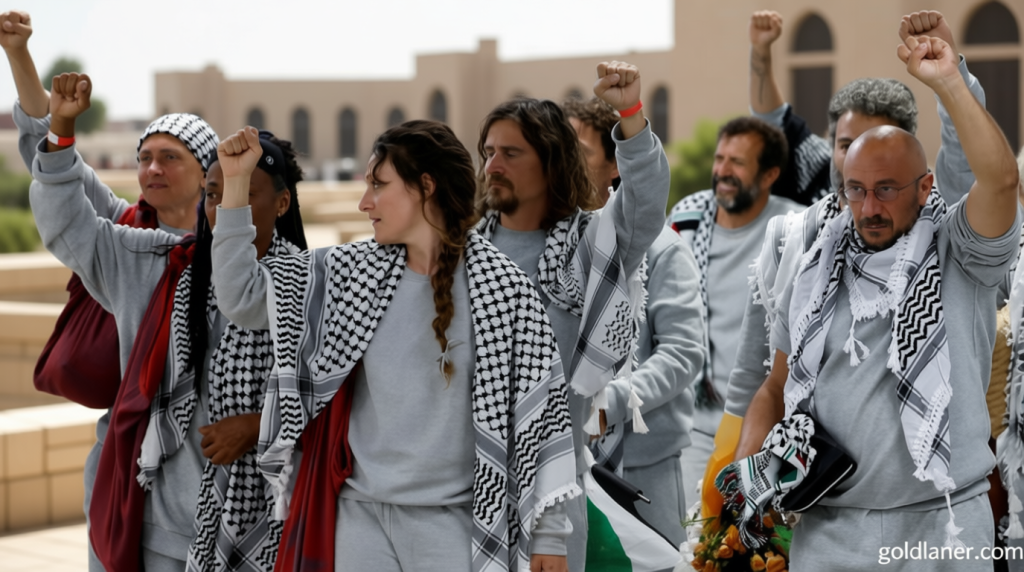
Freed Gaza Flotilla Activists Accuse Israeli Forces of Sexual Violence and Abuse While in Custody
Editor’s Note
Freed Gaza flotilla activists accuse Israeli – This report includes detailed accounts of sexual violence, physical torture, and abuse. Activists aboard a humanitarian flotilla intercepted by Israeli forces during their journey to Gaza allege they endured severe mistreatment while held in custody. The Global Sumud Flotilla, which carried 428 passengers along with essential supplies for civilians in the region, was detained over multiple days after its departure from Turkey. The final capture occurred on Tuesday, leading to the activists’ deportation back to Turkey. Their experiences have already sparked global controversy.
Testimonies of Trauma
According to Adalah, an Israel-based human rights organization representing the flotilla participants, its legal team has recorded statements from individuals who claim they were targeted with tasers and rubber bullets during detention. These accounts describe physical assaults that left some with suspected fractures, as well as psychological stress. The group also reported incidents of sexual violence, including multiple cases of rape and forced penetration using a handgun. Such allegations have raised concerns about the systematic nature of the abuse.
“In the past decade, this is the most severe violence we’ve encountered,” said Miriam Azem, Adalah’s international advocacy coordinator. She emphasized that some survivors hesitated to share specifics due to fear of retaliation, while others were still held by Israeli authorities at the time of their interviews.
Juliet Lamont, an Australian filmmaker and activist, described her experience as “a real hell” during a press conference at Istanbul Airport. She recounted being beaten and sexually assaulted by five men in a shipping container on what she called an Israeli “prison boat.” Wearing the grey tracksuit issued by the Israel Prison Service (IPS), Lamont asserted that the violence was part of a coordinated effort to intimidate activists and prevent them from returning to Gaza. “You know they’ve broken our bones, but they haven’t broken our soul,” she said.
Official Denials and Legal Responses
The Israel Prison Service (IPS) countered the claims, stating that the allegations are “false and entirely without factual basis.” It emphasized that detainees are treated in accordance with legal procedures, overseen by trained personnel. Similarly, the Israel Defense Forces (IDF) rejected the accusations, claiming its orders ensure respectful treatment of flotilla participants and that established protocols govern the process. “Any concrete complaints will be thoroughly reviewed,” the IDF stated in its response.
However, activists provided video evidence of their suffering. During Thursday’s press briefing at Istanbul Airport, several participants described being subjected to a relentless cycle of physical abuse. One individual recounted being tied with zip cuffs in a painful position for over 40 minutes, nearly vomiting from the agony. Others shared stories of being hit with knees, having their heads slammed against tables, and being restrained with pliers around their ears. These accounts paint a grim picture of the conditions endured during detention.
International Concerns and Investigations
German officials confirmed that some of their nationals were injured during the operation, though they did not elaborate. Italian prosecutors are currently examining potential crimes, such as kidnapping and sexual assault, according to reports from Reuters. Meanwhile, Canadian Foreign Minister Anita Anand expressed alarm over the events, stating that she had received information indicating the severity of the alleged abuses.
Adalah has pledged to let the activists themselves explain the situation. The organization highlighted that survivors were reluctant to provide detailed accounts of their assaults, fearing repercussions. This reluctance, combined with the ongoing detention of some individuals, has complicated the verification of claims. Despite this, Adalah insists the violence was intentional and part of a broader strategy to suppress dissent.
Context of the Flotilla Mission
The Global Sumud Flotilla was launched as a humanitarian initiative to deliver aid to Gaza, which had been under blockade for months. The vessel departed Turkey with provisions such as food, medical supplies, and other essentials for the civilian population. Its interception by Israeli forces, however, marked the beginning of a traumatic ordeal for the passengers. The operation, which lasted several days, culminated in the activists being removed from the ship and processed for deportation.
Juliet Lamont’s testimony underscored the psychological toll of the experience. She described the Israeli forces’ actions as a “relentless campaign of violence,” aimed at breaking the resolve of activists. “They wanted to make sure we wouldn’t come back,” she said. Her account, along with others, has been shared in detail with international media, adding weight to the claims of systematic mistreatment.
Legacy of the Allegations
As the activists are now free, their testimonies continue to shape the narrative around the incident. Adalah has framed the event as a significant escalation in the treatment of humanitarian workers, with Azem noting the intensity of the violence compared to past encounters. The organization’s role in advocating for the detainees has been critical, though some survivors remain hesitant to speak publicly due to lingering fears.
The IPS’s defense of its procedures contrasts sharply with the accounts of those who experienced firsthand the brutality. While the agency claims to uphold legal standards, the testimonies from individuals like Lamont and Schofield challenge that narrative. Schofield, an Australian national, described a “constant barrage of violence” during his detention, including being choked and thrown to the ground. His description of the abuse aligns with others, suggesting a pattern of harsh treatment.
International observers are now scrutinizing the events with renewed urgency. The combination of physical and sexual assaults has drawn comparisons to broader patterns of human rights violations in the region. As the allegations gain traction, governments and human rights groups are calling for transparency and accountability. The case of the Gaza flotilla activists has become a focal point for discussions on the treatment of detainees and the use of force during military operations.
With more details emerging from the survivors, the situation continues to evolve. Adalah remains committed to ensuring the voices of the affected are heard, even as Israeli authorities maintain their stance. The incident has not only raised questions about the treatment of those aboard the flotilla but also highlighted the potential for abuse in the context of military control over humanitarian efforts. As the world watches, the testimonies of these individuals stand as a testament to the resilience of those who risked everything to aid their fellow citizens.
