
China coal mine blast kills 90, state media reports; deadliest mining disaster in over a decade
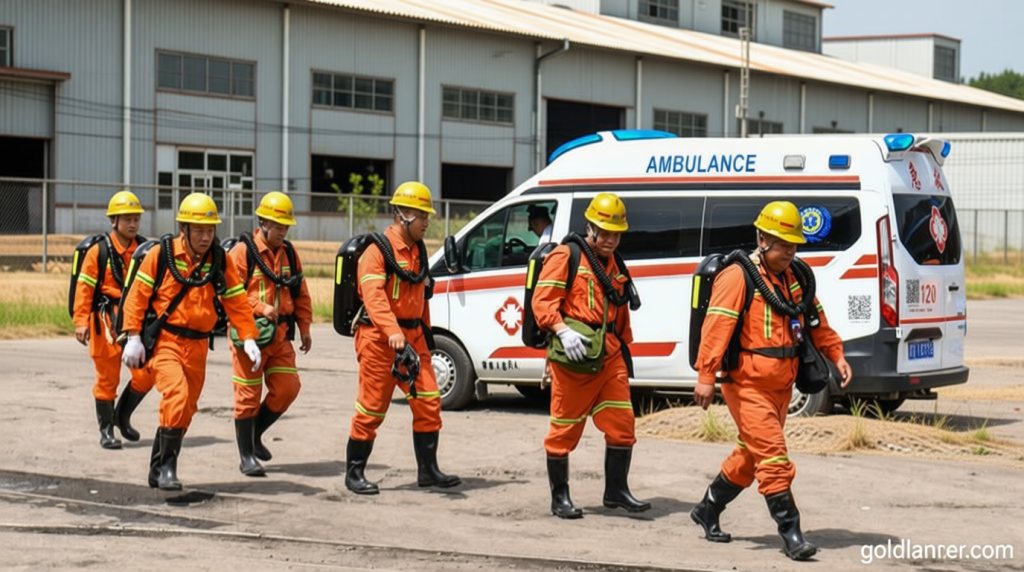
China Coal Mine Blast Kills 90, State Media Reports; Deadliest Mining Disaster in Over a Decade
China coal mine blast kills 90 state – A catastrophic gas explosion at a coal mine in northern China has resulted in 90 fatalities, as reported by state media, marking the most severe mining incident in the country since the early 2010s. The event occurred on Friday evening, and rescue operations continued into Saturday afternoon, nearly 20 hours later, according to CCTV. Initial reports indicated that 250 workers were trapped underground at the time of the blast, with 201 being evacuated by Saturday morning. As of that day, 123 individuals were receiving medical attention, though the exact number of missing persons remains uncertain.
Chinese President Xi Jinping issued directives for an “all-out rescue” of the trapped workers and demanded a “thorough investigation” into the incident, as noted by state news agency Xinhua. The mine in question, Liushenyu, is situated in Qinyuan county, within the city of Changzhi. Xinhua cited “carbon monoxide concentrations surpassing safe thresholds” as a contributing factor to the disaster. Emergency personnel, including hundreds from the county’s Emergency Management Bureau, were deployed to conduct underground rescue operations. Despite their efforts, the mine’s management initially appeared unaware of the situation, as a representative from Shanxi Tongzhou Group Liushenyu Coal Industry terminated the conversation when contacted by CNN.
State media later confirmed that the person responsible for the “involved enterprise” had been detained under legal control measures, a standard procedure following such incidents. The cause of the blast is still being examined, with authorities citing the need for further analysis to determine the sequence of events. Wang Yong, one of the injured miners, provided a firsthand account to CCTV, describing the moment the explosion occurred. “I noticed something was wrong when I saw a sudden burst of smoke and detected the smell of sulfur, similar to firecrackers,” he explained. “I immediately told others to flee, but during the escape, I witnessed several workers being overcome by the toxic fumes and knocked unconscious. I then lost consciousness myself,” he added. After regaining awareness, Wang managed to rouse the individuals nearby and exit the mine together.
Historical Context of Mining Disasters in China
The latest incident follows a pattern of significant mining tragedies in China, many of which have occurred over the past two decades. In the early 2000s, coal mining accidents frequently claimed over 100 lives, prompting widespread concern about safety standards. However, industry consolidation and stricter regulatory frameworks have led to improvements in safety records. Still, the frequency of major disasters underscores ongoing challenges in the sector. For example, in 2023, a mine collapse in Inner Mongolia left 53 workers dead, highlighting the persistent risk despite efforts to modernize operations. The government’s response to these events typically includes calls for enhanced oversight and accountability among mine operators and local authorities.
Recent years have seen a shift in focus toward reducing the frequency of such disasters, yet the reliance on coal as a primary energy source remains critical to China’s economic and energy infrastructure. Coal accounts for more than half of the energy consumption in the world’s second-largest economy and plays a vital role in maintaining its energy security. Even as Beijing accelerates its push for renewable energy sources, the expansion of coal infrastructure continues to be prioritized to ensure stability for the grid, particularly as wind and solar power fluctuate. This dual approach reflects the complex balance between environmental goals and industrial needs.
Shanxi Province’s Role in China’s Coal Industry
Shanxi province, where the explosion took place, is one of the nation’s leading coal-producing regions, responsible for over a quarter of China’s total coal output. The province’s mines have long been central to the country’s energy strategy, providing a steady supply of fuel for power plants and industries. The Liushenyu mine, part of Shanxi Tongzhou Group, exemplifies the scale of operations in the region. However, the recent disaster raises questions about the effectiveness of current safety measures and the potential for systemic risks within the industry.
Experts have pointed to the importance of continuous monitoring and adherence to safety protocols, especially in older mines. While recent regulations have imposed stricter requirements on operators, the incident suggests that compliance may still be an issue in some areas. The government’s emphasis on accountability following the blast highlights the need for transparency and swift action to prevent future occurrences. As the investigation unfolds, it will be crucial to identify whether lapses in safety procedures or external factors contributed to the disaster. The outcome could influence future policies and the pace of the country’s transition to cleaner energy sources.
Residents and workers in the region have expressed shock at the scale of the tragedy, emphasizing its impact on both the local community and national energy production. The event has also reignited debates about the environmental costs of coal mining and the trade-offs between economic growth and safety. With coal still accounting for a substantial portion of China’s energy mix, the industry’s ability to prevent such incidents will be a key indicator of its progress toward a more sustainable future. Meanwhile, the ongoing rescue efforts and the detention of the mine’s leadership signal a determination to address the crisis and hold responsible parties accountable.
