
Mortgage rates climb to highest level in 9 months
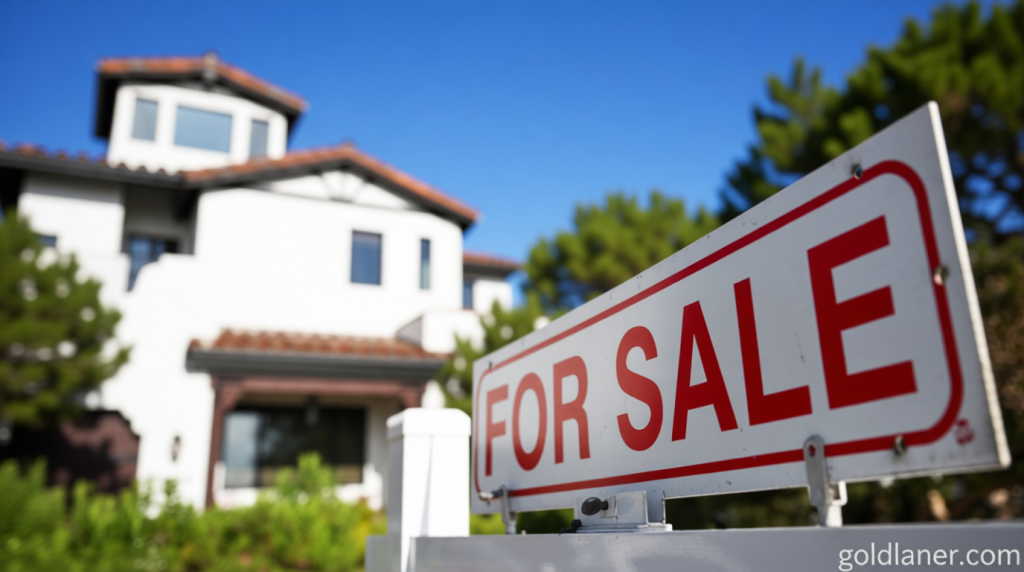
Mortgage Rates Climb to Highest Level in 9 Months
Mortgage rates climb to highest level – Recent fluctuations in the bond market, spurred by escalating tensions in the Middle East, have pushed U.S. mortgage rates to their peak in nearly a year. Freddie Mac reported that the average 30-year fixed-rate mortgage now stands at 6.51%, marking the strongest increase since August of the previous year. This surge represents the most dramatic weekly rise in rates since April 2025, when similar disruptions occurred following President Donald Trump’s announcement of sweeping tariff policies targeting global trade partners.
As the bond market becomes increasingly volatile, mortgage rates are closely aligned with the 10-year Treasury yield, which serves as a benchmark for long-term borrowing costs. The Treasury yield has risen sharply this week, surpassing levels not seen in over 12 months, driven by investor concerns over inflationary pressures. Rising oil prices and geopolitical instability in the region have raised fears that inflation could remain elevated, prompting bondholders to demand higher returns to compensate for increased risk.
April’s Consumer Price Index (CPI) data underscores these concerns, revealing a 3.8% increase in prices—the highest such gain since May 2023. This marks the third consecutive month of year-over-year price hikes, reflecting a sustained upward trend in inflation. For the first time in three years, household incomes have failed to outpace the cost of living, according to the report. This wage-stagnation dynamic has further strained affordability for prospective homebuyers.
Before the outbreak of hostilities in the region, mortgage rates briefly dipped below 6% for the first time in more than three years. This temporary decline offered homeowners the opportunity to secure loans at historically low rates, with some locking in terms as favorable as 5.98% at the end of February. However, the current spike in rates has reversed that trend, creating a financial gap between past and present borrowing costs. For example, a $450,000 home purchased under the previous rate would have required monthly payments of approximately $2,154. At the current 6.51% rate, those payments now exceed $2,278, resulting in an additional $1,488 annually—cumulatively over $44,640 over the loan’s lifetime.
The impact of this shift is already visible in the housing market, where buyers are facing higher costs and greater hesitation. Mortgage applications for new home purchases have declined by 2.4% compared to the same period last year, according to the Mortgage Bankers Association. The drop is even steeper when comparing March 2026 data to March 2025, with applications falling by 10% in that span. Fewer applications are directly translating to slower sales activity, as seen in the National Association of Realtors’ data. Existing home sales rose just 0.2% in April after a 3.6% decline in March, signaling a subdued spring season for real estate transactions.
The Unseen Cost of Inflation
While mortgage rates are not the only factor affecting homebuying behavior, their rise compounds the challenges posed by inflation. The 10-year Treasury yield, which typically moves inversely to bond prices, has climbed to levels that mirror the growing inflation expectations. This dynamic has made it more difficult for buyers to qualify for loans, as lenders adjust rates to reflect the increased cost of capital. The connection between bond market sentiment and mortgage costs highlights how broader economic uncertainties can ripple into everyday financial decisions.
Investors are increasingly wary of the long-term consequences of sustained inflation, which has pushed the 10-year yield to a one-year high. This trend has been exacerbated by the war in Iran, which has disrupted global supply chains and raised the specter of persistent price increases. The Federal Reserve’s recent rate cuts have provided some relief, but the reduction has not been as significant as some economists anticipated. This has left mortgage rates higher than they were at this time last year, despite the central bank’s efforts to stimulate the economy.
Brad Case, chief economist at Homes.com, emphasizes the dual challenges facing homebuyers. “There are two barriers to home ownership that are relevant right now,” he said. “One is high mortgage rates; the other is uncertainty.” The decision to purchase a home involves a substantial financial commitment, and Case argues that buyers need confidence in their economic outlook to make such a large investment. The recent volatility in rates, whether rising or falling, has created a sense of instability that is deterring potential buyers.
Meanwhile, national home prices continue to hover near record highs. The median existing home sales price in April reached $417,700, maintaining a streak of 34 consecutive months of year-over-year increases. This price resilience reflects strong demand in the market, even as affordability becomes a growing concern. With mortgage rates climbing and prices remaining stubbornly high, the path to homeownership is becoming more challenging for many families.
The housing market’s response to these conditions is evident in the data. While the spring season is traditionally a period of heightened activity, early signs suggest a cautious approach from buyers. This hesitancy is compounded by broader economic anxieties, as investors and consumers grapple with the potential for prolonged inflation and rising debt costs. The combination of these factors is creating a perfect storm for the real estate sector, with the potential to slow overall market growth.
Despite the current challenges, some experts remain optimistic about the long-term trajectory of mortgage rates. They argue that the bond market’s volatility is temporary and that the Federal Reserve’s policy adjustments will eventually stabilize borrowing costs. However, until then, homebuyers must navigate a more expensive landscape, with rates that are higher than last year but still lower than the peak seen earlier in 2025. As the market continues to adapt, the balance between affordability and demand will remain a key determinant of future trends.
