
‘Mastermind’ of $250M Minnesota theft scheme gets 500-month prison sentence as feds charge more people with fraud
‘Mastermind’ of $250M Minnesota Theft Scheme Gets 500-Month Prison Sentence as Feds Target More Fraudsters
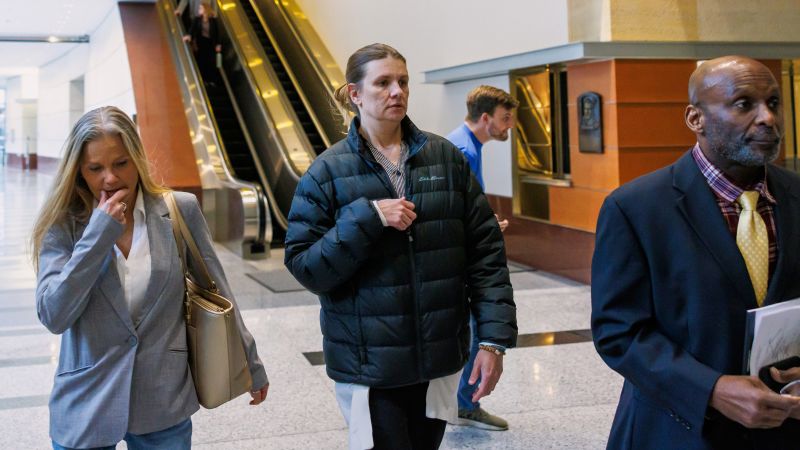
Mastermind of 250M Minnesota theft scheme – On Thursday, Aimee Bock, the leader of the Feeding Our Future initiative, received a sentence of 500 months in federal prison. This marks the culmination of a trial that saw her convicted of wire fraud and bribery just over a year prior. The length of her punishment underscores the scale of the deception, with prosecutors emphasizing that Bock’s actions were deliberate and extensive. “It’s a long sentence, and Aimee Bock did everything she could to earn it,” noted former assistant U.S. Attorney Joe Thompson, who was present at the courthouse.
Bock’s sentence, totaling nearly 42 years, is the most severe in the ongoing federal fraud investigation linked to Minnesota’s social service programs. This case has drawn significant attention for its sheer magnitude, with federal officials now unveiling additional charges against 15 individuals. These new defendants are accused of siphoning over $90 million from taxpayer-funded initiatives, including programs supporting child care and nutrition services. The announcement came shortly after Bock’s sentencing, highlighting the federal government’s intensified focus on rooting out corruption in the region.
The Scale of the Fraud and Its Impact
Authorities have estimated that the Feeding Our Future scheme stole more than $250 million in government aid, with only around $50 million recovered so far. The program, which initially aimed to provide food assistance to families in need, became a vehicle for widespread financial exploitation. Bock was ordered to pay over $242 million in restitution, a figure that has been described as staggering by those involved in the case. “No matter how you cut it, it is a massive figure,” remarked Matthew Ebert, a prosecutor who spearheaded the investigation. “I don’t have the words to express just how horrible I feel. I know I’m responsible,” Bock told the judge, according to reports from the Minnesota Star Tribune.
The fraud scheme exploited relaxed rules introduced during the pandemic to prevent economic collapse. These changes allowed for streamlined access to assistance programs, but they also created opportunities for abuse. “Covid led to a general abandonment of principles around protecting these programs,” said Dr. Mehmet Oz, administrator of the Centers for Medicare & Medicaid Services, during a news conference. The pandemic’s pressure on government systems made it easier for individuals to manipulate data and secure funds for personal gain, a tactic that became central to the Feeding Our Future operation.
Broader Federal Efforts and the Strike Force Expansion
Minutes after Bock’s sentencing, federal officials unveiled new charges targeting others involved in similar misconduct. Assistant Attorney General Colin McDonald framed these cases as part of the Trump administration’s broader campaign to address fraud in Minnesota. “This is not the end of our work in Minnesota. This is not the end of the beginning of our work in Minnesota. This is the beginning of our work in Minnesota,” McDonald stated, highlighting the continued commitment to investigating financial abuses. The newly announced cases involve over $90 million in stolen taxpayer money and are accompanied by the expansion of a federal strike force in the Midwest.
The strike force, which has been active in Minnesota for several years, is now intensifying its efforts. Prosecutors have identified multiple individuals across the Twin Cities area who manipulated program rules to siphon funds. One case involves falsifying the number of meals served to children in the Federal Child Nutrition Program and a state grant initiative for child care providers. Another defendant is accused of inflating staff hours and the number of employees in a state program designed to support child care centers. These actions exemplify the systemic nature of the fraud, where rules were exploited to create a personal financial windfall.
Legacy of the Investigation and the Resignations
While Bock’s sentencing was a major milestone, it also coincided with the federal government’s announcement of new charges. This development follows a period of internal conflict within the U.S. Department of Justice, where several Minnesota prosecutors, including Thompson and Ebert, had resigned over disagreements regarding the handling of the Renee Good shooting case. Their departure from the office occurred earlier this year, but they remained active in the Feeding Our Future investigation, which has become a focal point for federal efforts.
Thompson and Ebert, who have been working on the case for years, were present at Bock’s sentencing as observers. Their involvement in the investigation reflects the long-term dedication to uncovering corruption in the state’s social service programs. The broader implications of the case extend beyond Bock, as federal authorities continue to build a case against those who exploited pandemic-era policies for personal profit. The focus on Minnesota’s programs has led to a series of high-profile arrests, with each new indictment adding to the growing narrative of systemic fraud.
Specific Allegations and the Autism Scheme
Among the newly charged defendants is Fahima Mahamud, who was already implicated in the Feeding Our Future fraud in February. Her business was highlighted in a viral video by conservative content creator Nick Shirley, which exposed the program’s abuses. Mahamud has not yet entered a plea, and her attorney has not responded to CNN’s request for comment. The case also includes allegations that children were falsely diagnosed with autism to secure government funds, a scheme that McDonald described as the “largest autism fraud ever charged by the Department of Justice.”
Health and Human Services Secretary Robert F. Kennedy, Jr., emphasized that the autism fraud was not a minor oversight but an organized effort to exploit vulnerable families. “This was not a paperwork error. It was not a technical violation,” he stated. “This was organized theft that exploited the most vulnerable children in America.” The combination of false diagnoses and inflated staffing numbers illustrates the multifaceted nature of the fraud, which has affected multiple layers of Minnesota’s social safety net.
As the federal government continues its pursuit of justice, the case has drawn public scrutiny and media attention. The Twin Cities area, in particular, has become a symbol of the widespread corruption that has plagued the region. While the focus has been on the state’s programs, the case also reflects the broader challenges of maintaining accountability during times of crisis. The 500-month sentence for Bock serves as a warning to others who may have engaged in similar schemes, reinforcing the message that even the most well-intentioned programs can be turned into instruments of financial exploitation.
The ongoing investigation highlights the federal government’s resolve to address systemic issues in state-run programs. With more charges set to be filed, the scope of the fraud is expanding, and the strike force’s increased activity suggests a sustained effort to dismantle these networks. For Bock, the sentence marks the end of one phase but not the conclusion of her legal journey. “Ms. Bock will proceed to the next phase,” said her defense attorney, Kenneth U. Udiobok. “She is devastated by the length of her sentence. But this is not the end of the road!”
